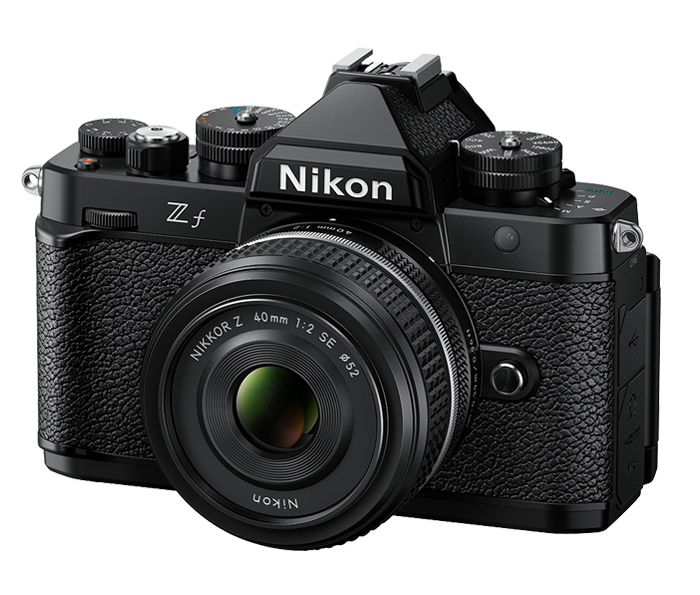
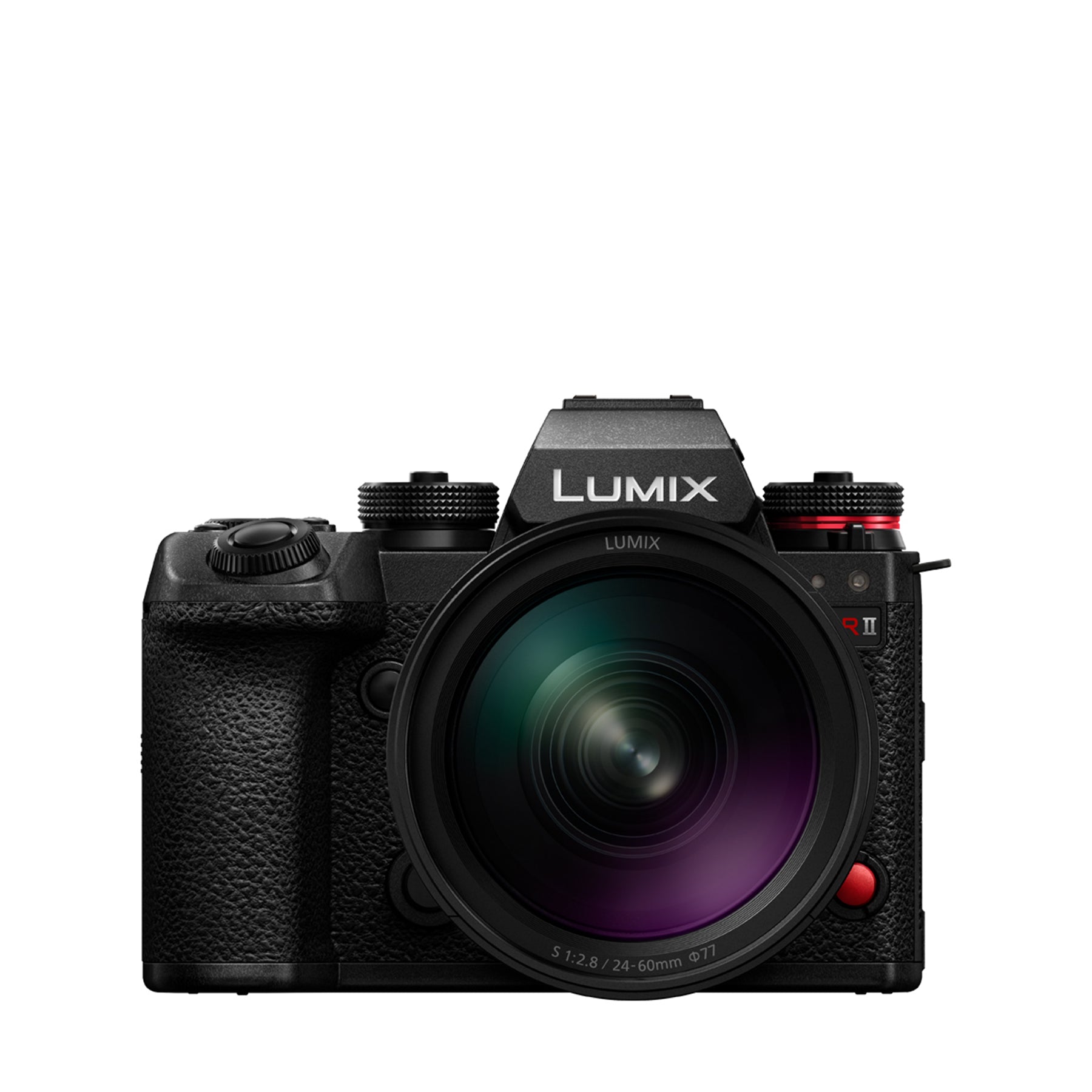
The Nikon Zf and the Panasonic S1R II are two highly regarded full-frame mirrorless cameras that have gained attention among photographers and videographers looking for high performance and versatility. While both systems aim to cater to enthusiasts and professionals alike, they target slightly different user needs, making them commonly compared options. The Nikon Zf stands out for its user-friendly interface and strong low-light performance, while the Panasonic S1R II is designed for those requiring high resolution and advanced video features. Understanding the key differentiators between these two models is crucial for buyers deciding on their next investment.
Specifications Comparison
Detailed Comparison
Image Quality
The image quality of a camera largely depends on its sensor capabilities, and in this regard, the Panasonic S1R II holds a significant advantage. Boasting a 44.3 MP sensor compared to the 25 MP sensor of the Nikon Zf, the S1R II is capable of capturing far more detail, making it a better option for large print work or cropping flexibility. The high resolution allows for stunning landscape shots, and the dynamic range on the S1R II often garners praise in professional reviews.
On the other hand, the Nikon Zf, while it has a lower megapixel count, still offers excellent image quality with impressive color rendering and low-light capabilities. The 25 MP sensor is sufficient for most uses, providing a good balance of detail and manageable file sizes. Additionally, the Zf's 8-stop stabilization helps to maintain quality in handheld shooting situations, which can be a crucial aspect for many photographers.
In practical use, photographers might find that the Zf's optimized JPEG processing and color profiles yield vibrant images straight out of the camera, which is advantageous for those who prefer less post-processing. Therefore, when considering image quality alone, the S1R II can be seen as superior due to its higher resolution, though the Zf still provides commendable performance.
Autofocus System
Autofocus performance is critical for capturing fast-moving subjects, and the Nikon Zf offers an impressive system with 273 autofocus points. This wide coverage enables quick and accurate focusing, especially in challenging lighting conditions. The Zf's hybrid AF system is also noteworthy for its face and eye detection capabilities, making it a strong contender for portrait and event photography.
Conversely, while detailed autofocus specifications for the Panasonic S1R II are less emphasized, it is equipped with a robust contrast-detection autofocus system that allows for precise focus. However, the autofocus points are more limited compared to the Nikon Zf, which may affect its usability in fast-paced scenarios. Moreover, some users have pointed out focus speed can lag behind that of competitors with phase detection.
Overall, the Nikon Zf delivers better autofocus performance in diverse shooting conditions, making it the preferred choice for photographers who prioritize fast and reliable focusing.
Video Capabilities
In the realm of video, the Panasonic S1R II takes the lead with its ability to record in 8K at 30p and 4K at 120p. This capability provides significant advantages for videographers looking to create high-resolution content or utilize slow-motion footage. The rich video specifications, combined with the advanced stabilization system, allow for professional-grade footage without additional rigging.
The Nikon Zf also holds solid video capabilities, offering 4K at up to 60p. While this is more than sufficient for most users, the lack of 8K recording may deter those heavily invested in video production looking for the latest standards. Additionally, the Zf's video features are intuitive, which facilitates seamless operation for those new to videography.
With high video resolution and advanced frame rate options, the Panasonic S1R II exhibits a clear advantage for serious videographers, making it the better choice in this category.
Build & Ergonomics
When it comes to build quality, both the Nikon Zf and the Panasonic S1R II exhibit robust construction, catering to the needs of professional users. The Nikon Zf's ergonomic design feels comfortable in hand, and its traditional DSLR-style controls appeal to photographers transitioning from DSLRs. The camera is relatively compact for a full-frame mirrorless system, enhancing portability.
On the other hand, the Panasonic S1R II, while slightly bulkier, is also designed for durability with weather-sealing that should withstand various environmental conditions. The larger grip and intuitive button layout make it a solid choice for extended shooting sessions, although larger size might be cumbersome for some users.
Ultimately, the choice between ergonomics might come down to personal preference. Photographers who appreciate a lighter, more compact design may prefer the Nikon Zf, while those who favor a more substantial feel with excellent build quality may lean toward the Panasonic S1R II.
Battery & Storage
Battery life is an essential aspect for any photographer, particularly for those on extended shoots where changing batteries frequently is not ideal. The Nikon Zf provides a battery life rated for approximately 380 shots, which is adequate for a day of shooting but can be limiting for intensive sessions.
In contrast, the Panasonic S1R II benefits from a larger battery capacity, with a rating that typically exceeds 400 shots in practical tests. This extra endurance can be a significant factor for users who require prolonged use away from power sources. Additionally, both cameras utilize a similar type of SD card, but the S1R II supports dual card slots, offering redundancy that can be beneficial for professional workflows.
Overall, the Panasonic S1R II is the winner in this category; it demonstrates superior longevity and redundancy options that cater more effectively to demanding photographic situations.
Value for Money
At a price point of $1999, the Nikon Zf offers a compelling package for photographers looking for a well-rounded camera with solid performance in both photography and videography. Its approachable interface, combined with good autofocus and stabilization features, makes it a strong choice for enthusiasts and semi-professionals alike.
However, the Panasonic S1R II, priced at a higher point reflective of its advanced capabilities, especially in resolution and video features, may justify the additional investment for professional users needing the highest quality output. The longer battery life and better video performance only add to its overall value.
Our Verdict
In conclusion, while both cameras offer impressive features and cater to different types of users, the Panasonic S1R II emerges as the overall winner, primarily due to its superior resolution and video capabilities. Its advantages in professional-grade video recording, along with excellent image quality and battery life, make it an attractive choice for serious photographers and videographers. However, the Nikon Zf remains a strong contender for those who prioritize usability, decent image quality, and autofocus performance in a lighter and more user-friendly design.
Nikon Zf
Panasonic S1R II
Also Compare
Frequently Asked Questions
Which camera is better for professional video production?
The Panasonic S1R II is better suited for professional video production thanks to its support for 8K video recording and advanced frame rate options like 4K at 120p.
Is the lower megapixel count of the Nikon Zf a concern?
While the Nikon Zf has a lower megapixel count at 25 MP, this resolution is often sufficient for many users; it still offers great image quality and performance in low-light situations.
How do they compare in terms of lens ecosystem?
Both Nikon and Panasonic have a growing selection of lenses for their respective mounts. Nikon's Z mount offers excellent native lens options, while Panasonic's L mount benefits from a collaborative ecosystem with Sigma and Leica, providing more versatility.
What is the advantage of the dual card slots in the S1R II?
The dual card slots in the S1R II provide redundancy and the option to simultaneously record to different cards for backup, ensuring that photographers do not lose critical data.
Which camera is more portable?
The Nikon Zf is more portable due to its lighter weight and more compact dimensions, making it a favorable option for travel or casual photography.