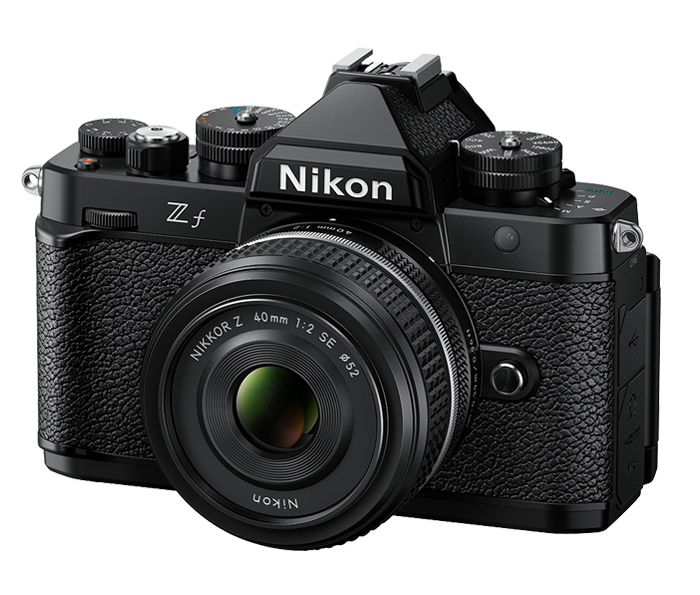
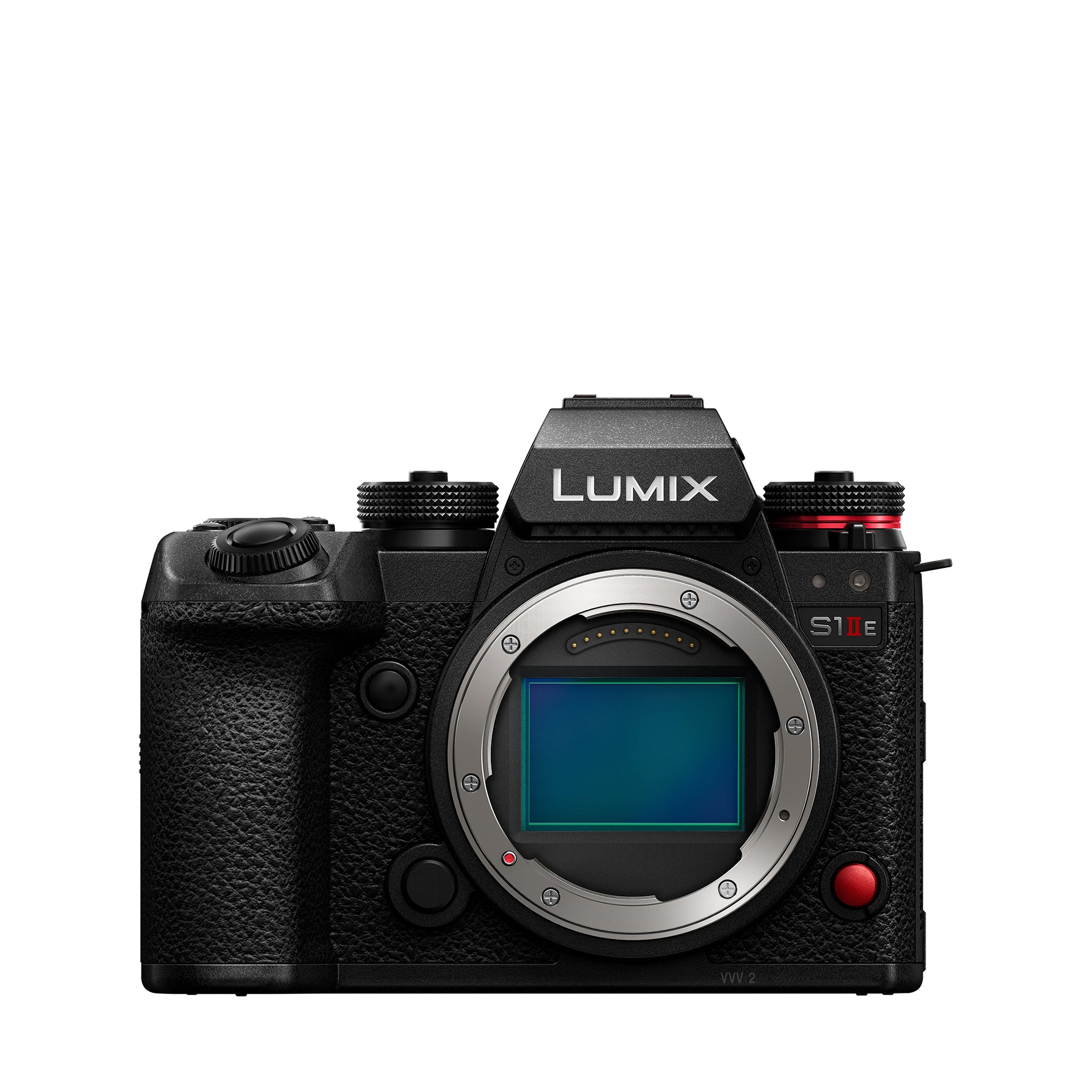
The Nikon Zf and Panasonic S1 II E are two compelling full-frame mirrorless cameras that cater to photographers and videographers alike. They are often compared because they appeal to similar user bases: enthusiasts who require advanced features, high image quality, and versatility in different shooting situations. While both cameras offer impressive specifications, key differentiators come down to their autofocus systems, video performance, and overall usability. Buyers may find themselves choosing between the more traditional Nikon design and interface versus the robust video features of the Panasonic.
Specifications Comparison
Detailed Comparison
Image Quality
When it comes to image quality, both cameras perform admirably, though there are some distinctions. The Nikon Zf features a 25 MP sensor, while the Panasonic S1 II E offers slightly less at 24.1 MP. The Nikon's slightly higher megapixel count gives it an edge in terms of resolving power, particularly in landscapes and detailed textures. However, the Panasonic S1 II E's phase-detection autofocus, combined with its high-quality lens compatibility, also yields excellent image quality across various lighting conditions.
Both cameras showcase a full-frame sensor, which typically leads to better low-light performance and dynamic range. In controlled conditions, the images from both systems provide rich colors and impressive detail. Still, real-world use can reveal subtler differences. Photographers who often shoot in challenging light might prefer the S1 II E for its high ISO performance, benefiting from Panasonic's Dual Native ISO technology that provides cleaner images at higher sensitivity settings.
In conclusion, while both systems can deliver stunning images, the Nikon Zf edges ahead due to its higher resolution; however, the nuances of color science and tonal response might sway some buyers to Panasonic.
Autofocus System
Autofocus performance is crucial for both stills and video, and here the Nikon Zf truly shines with its 273 autofocus points, offering fast and precise subject tracking. This system is particularly effective for photographers capturing action or moving subjects. The Nikon Zf's AI-based subject detection also enhances its usability across various scenarios, providing a reliable experience for wildlife or sports photography.
On the other hand, the Panasonic S1 II E is equipped with a robust autofocus system as well, although with a different approach. It incorporates a depth from defocus technology which can effectively yield quick and accurate focusing, although it may not reach the same number of points as the Zf. In practice, the S1 II E provides excellent subject acquisition speed, particularly beneficial for video shooters.
For those prioritizing autofocus in high-action situations, the Nikon Zf takes the crown. However, the S1 II E's performance remains commendable, especially for genres like portraits or general photography where rapid focus speed isn't as critical. Thus, depending on the user's primary focus needs, this category is particularly telling.
Video Capabilities
The Panasonic S1 II E excels in the video department, equipped with advanced capabilities that cater to serious videographers. It supports multiple high-resolution formats, including 5.9K/60p and 4K at 120 fps, making it an excellent option for creators looking for high frame rates and resolutions. This flexibility provides filmmakers with creative options that can enhance their work, especially when slow-motion sequences or high-resolution output is desired.
Conversely, the Nikon Zf delivers good video performance, but its capabilities are slightly more limited with a 4K 60p maximum output. Although this is adequate for most videographers, the S1 II E's higher resolutions and frame rates present a substantial advantage for users focused on high-quality video production.
In conclusion, while both cameras handle video well, the Panasonic S1 II E's greater versatility and superior specs in this area make it the clear leader in video capabilities, appealing to those heavily invested in videography.
Build & Ergonomics
Build quality and ergonomics play significant roles in the overall usability of a camera. The Nikon Zf features a robust build that combines retro aesthetics with modern ergonomics, making it comfortable to use for extended periods. It is slightly heavier at 710 grams, but the overall handling, including a tactile grip and well-placed controls, makes it user-friendly for photographers who are more accustomed to DSLR-style handling.
On the other hand, the Panasonic S1 II E is designed with a more utilitarian approach, featuring weather-sealing for ruggedness which can be crucial for outdoor photographers. It has an ergonomic design as well, although its bulk may not be as appealing to those who prefer a lighter system. The Panasonic's controls are also well-laid out but may feel a bit more complex due to the additional video features.
Ultimately, while both are solidly built, users who prioritize a classic design with comfortable handling may prefer the Nikon Zf, while those needing robust construction for tough environments might lean towards the S1 II E.
Battery & Storage
Battery life is an essential factor for many users, especially during long shooting sessions. Here, the Nikon Zf boasts a relatively decent capacity, rated for around 380 shots per charge. Although respectable, it may not provide enough for extensive shoots without an extra battery, particularly for video use.
Comparatively, the Panasonic S1 II E shines with its superior battery performance, allowing for over 400 shots. This capability is complemented by its design which supports dual SD card slots, enabling extended shooting times and flexibility with file management, be it for RAW images or video.
In this category, the Panasonic S1 II E emerges as the superior option. Its longer battery life and dual card slots give it an edge for users who require prolonged shooting sessions without interruption, making it especially appealing for videographers and event photographers.
Value for Money
The Nikon Zf is competitively priced at $1999, which reflects its advanced features and solid build quality. However, this price point puts it in competition with other full-frame offerings in the market, including the Panasonic S1 II E. Given the extensive video capabilities and higher battery endurance of the S1 II E, some might argue that the value proposition leans towards Panasonic if videography is a priority.
Despite this, the Nikon Zf offers exceptional image quality and usability, particularly for those focused on still photography. Its traditional handling and comprehensive manual controls also appeal to photographers who may find it easier to transition from DSLRs.
In terms of overall value, the decision may come down to personal preference. Users with a focus on still images and traditional photography might find the Nikon Zf better suited to their needs, while those who are inclined towards hybrid use-with a heavier emphasis on video-will likely appreciate the Panasonic S1 II E's offerings more.
Our Verdict
Both the Nikon Zf and Panasonic S1 II E have unique strengths that make them compelling choices in their own right. The Nikon Zf excels in image quality and autofocus, making it preferable for photographers prioritizing still images and classic photography ergonomics. Conversely, the Panasonic S1 II E stands out with superior video capabilities and better battery performance, appealing to serious videographers. Ultimately, the choice between these two cameras should reflect the user's primary needs, whether that be photography or videography, as both offer excellent performance within their respective domains.
Nikon Zf
Panasonic S1 II E
Also Compare
Frequently Asked Questions
Which camera is better for low light photography?
Both cameras perform well in low light due to their full-frame sensors, but the Panasonic S1 II E may have an edge with its Dual Native ISO technology.
Is the video quality better on Nikon Zf or Panasonic S1 II E?
The Panasonic S1 II E offers higher resolutions and frame rates, making it superior for video quality and versatility.
Which camera has the best autofocus?
The Nikon Zf features 273 autofocus points, making it the better option for fast and precise focusing, particularly in action photography.
What are the advantages of the ergonomics of Nikon Zf over Panasonic S1 II E?
The Nikon Zf has a more traditional DSLR-like design, providing a comfortable grip and intuitive controls, ideal for photographers used to that style.
Which camera is better for travel photography?
The Nikon Zf's lighter build and ergonomic design make it a more convenient choice for travel, although the robust S1 II E is built for durability.