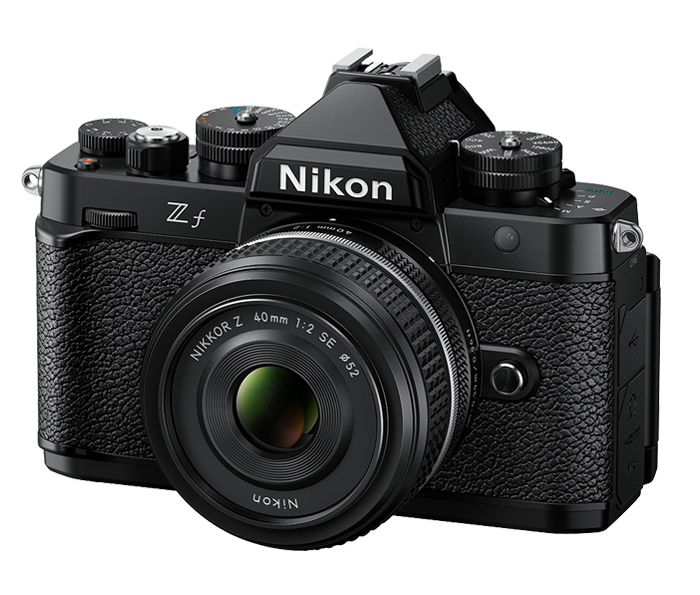
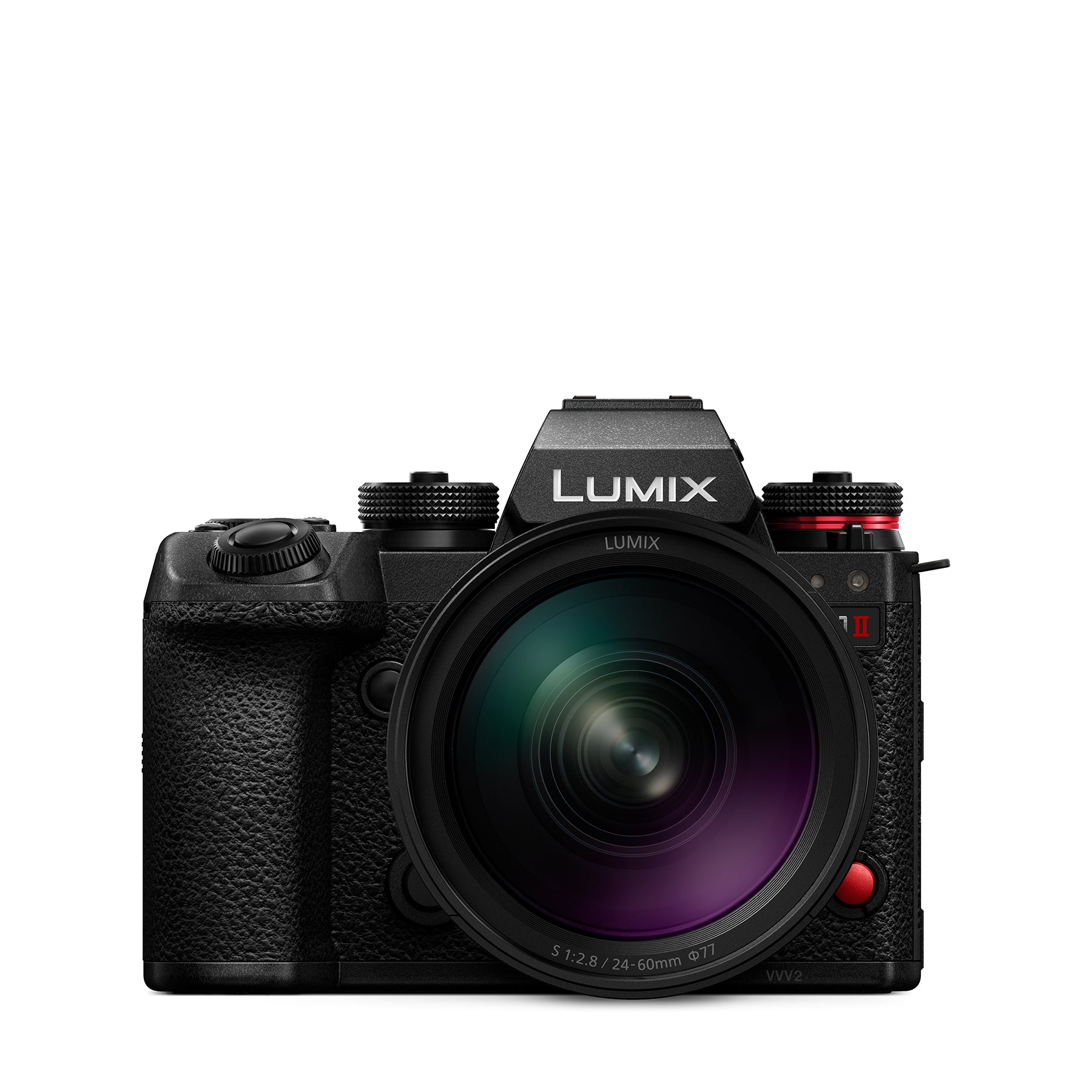
The Nikon Zf and Panasonic S1 II are two powerful full-frame mirrorless cameras that have gained attention in the photography community, particularly among professionals and serious enthusiasts. With the rise of mirrorless technology, both brands have focused on delivering high-quality imaging along with robust video capabilities, making them popular choices for videographers as well. Buyers often find themselves choosing between these two models due to their competitive specifications, unique features, and intended usage scenarios. Key differentiators between the two lie in their video resolutions, autofocus systems, and overall ergonomics, which contribute to how well they cater to the needs of photographers and videographers alike.
Specifications Comparison
Detailed Comparison
Image Quality
Both the Nikon Zf and Panasonic S1 II offer exceptional image quality thanks to their full-frame sensors. The Zf features a 25 megapixel sensor compared to S1 II's slightly lower 24.1 megapixels. In practical usage, the increased resolution of the Zf can result in slightly more detail capture, which may be particularly noticeable in large prints or high-resolution cropping situations. Moreover, Nikon's imaging processing algorithms may provide better color reproduction and dynamic range, helping to retain details in highlights and shadows under challenging lighting conditions.
On the other hand, the Panasonic S1 II's 24.1 megapixel sensor, complemented by its high-quality lens ecosystem, produces stunningly sharp images with great color fidelity, especially favored in video production settings. Both cameras exhibit excellent high ISO performance, but the S1 II is well-known for its low-light capabilities, making it a better choice for indoor or nighttime photography. Given the small megapixel difference, most users will find the image quality comparable but might prefer one model over the other depending on specific needs.
Autofocus System
The autofocus system is a major aspect where the two cameras differ. The Nikon Zf boasts 273 focus points, covering a wide area of the frame, allowing for precise tracking and quick locking on subjects, which is advantageous for both photography and videography. Nikon's Eye-AF feature enhances its ability to lock focus on subjects' eyes, a strong point for portrait work.
Conversely, the Panasonic S1 II employs a Dual Native ISO system for its autofocus, enabling better low-light performance with 225 autofocus points. While it may not have as many points as the Nikon, the S1 II utilizes contrast-detection technology combined with advanced algorithms for fast focusing, especially in low-light conditions. For fast-moving subjects, the Zf may edge out with its faster focus acquisition speed, while the Panasonic might keep up in lower lighting.
Overall, for action-oriented photography, the Nikon Zf is likely the preferred choice, whereas for slower-paced scenarios where low-light performance is critical, the S1 II may shine.
Video Capabilities
In terms of video capabilities, the Panasonic S1 II takes the lead with its ability to record in 5.1K at 60 frames per second, providing filmmakers with high resolution and frame rate for producing cinematic quality footage. It also offers 10-bit internal recording, V-Log, and excellent color profiles that appeal to video professionals who demand creative versatility. Its design includes a professional video-centric interface that enhances usability for filmmakers.
The Nikon Zf, while capable, deals with 4K 60p video recording but does not match the S1 II's resolution. However, it still provides high-quality 4K performance with great dynamic range, making it hugely effective for content creators who require a more straightforward shooting experience without sacrificing quality.
In conclusion, for those prioritizing video work, especially with regard to resolution and advanced video features, the S1 II is the better fit, while the Zf serves well for photographers who occasionally dabble in video.
Build & Ergonomics
The build quality of both the Nikon Zf and Panasonic S1 II is robust, featuring weather-sealing and durable materials, designed to withstand challenging shooting environments. The Nikon Zf's compact size (144 x 103 x 49 mm) and lightweight (710 g) build enhances its portability, making it ideal for street or travel photography.
In contrast, the Panasonic S1 II possesses a slightly bulkier design, mainly due to its extensive handling features which provide a superior grip, ideal for extended shooting sessions. The button arrangement on the S1 II is tailored for filmmakers, with easy access to key functions, thereby improving workflow during video shooting.
While the heft of the S1 II might deter some users, others will appreciate its controllability and feel in hand. The choice will largely depend on whether a user prioritizes a lightweight camera or a camera with more extensive handling and ergonomic benefits.
Battery & Storage
Battery performance can be a significant influence on the usability of a camera over long shooting sessions. The Nikon Zf offers about 380 shots per charge, which is decent for a mirrorless camera, though it may be limiting for users who shoot extensively throughout the day without opportunities to recharge. The inclusion of a dual card slot further allows users to manage their content effectively for both photos and videos.
The Panasonic S1 II features longer battery life, making it ideal for those who conduct extended shooting sessions, especially in video production where long durations are common. Additionally, the S1 II also utilizes dual card slots, providing redundancy and extended storage capacity during shoots.
Taking battery life into account, the S1 II overall provides a better solution for users seeking longevity, especially those engaged in professional video projects.
Value for Money
The Nikon Zf is priced at $1999, offering a moderate entry point into Nikon's full-frame mirrorless lineup, which can be an enticing package for photographers looking for a combination of usability and high-quality features. Its autofocus system, paired with solid imaging performance, presents a fair value for photographers focused primarily on still images.
Conversely, the Panasonic S1 II, also launched at $1999, offers additional video capabilities and impressive image performance. Given its enhanced video feature set and superior battery life, the S1 II presents robust value for video creators and hybrid shooters. However, the focus on video capabilities may limit its appeal to purely still photographers who might find the Nikon Zf more aligned with their needs.
As a result, while both models hold strong value propositions at their price point, the decision will depend on the primary focus-still photography vs. videography.
Our Verdict
Overall, the Panasonic S1 II emerges as the winner in this comparison, especially for videographers and hybrid users due to its superior video options, battery life, and solid ergonomics. The Nikon Zf, while still a competent and slightly better option for still photography, may not be as appealing for those focused primarily on video production. Photographers seeking a more lightweight, travel-friendly camera with great still capabilities may lean toward the Zf, whereas users aiming for a dedicated video tool with rich features should definitely consider the S1 II.
Nikon Zf
Panasonic S1 II
Also Compare
Frequently Asked Questions
Which camera is better for video recording?
The Panasonic S1 II is better for video recording due to its ability to shoot in 5.1K at 60p and its advanced video features, making it ideal for filmmakers.
Is the Nikon Zf better for still photography?
Yes, the Nikon Zf offers more autofocus points and slightly higher megapixels, making it a robust choice for still photography.
Which camera has better battery life?
The Panasonic S1 II has better battery life, making it more suitable for extended shooting sessions.
Which camera is more portable?
The Nikon Zf is more portable due to its smaller size and lighter weight, making it easier to carry for travel or street photography.
How do their price points compare?
Both cameras are priced similarly at $1999, but the value proposition shifts based on user needs-still photography vs. videography.