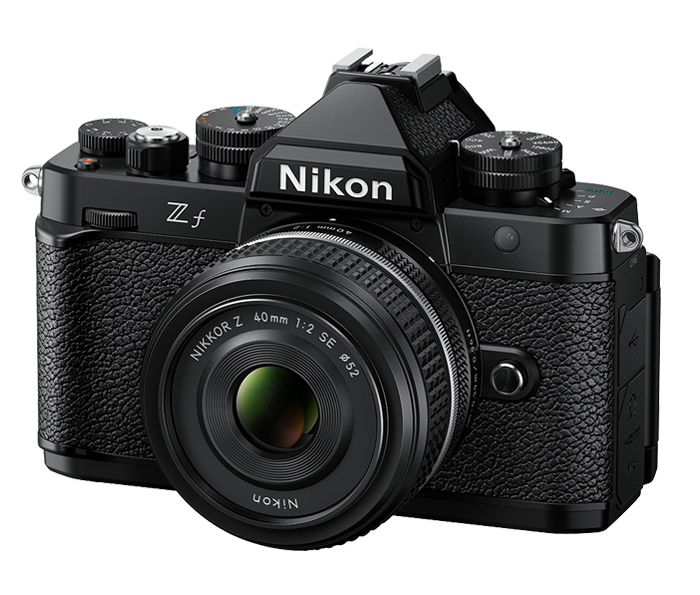
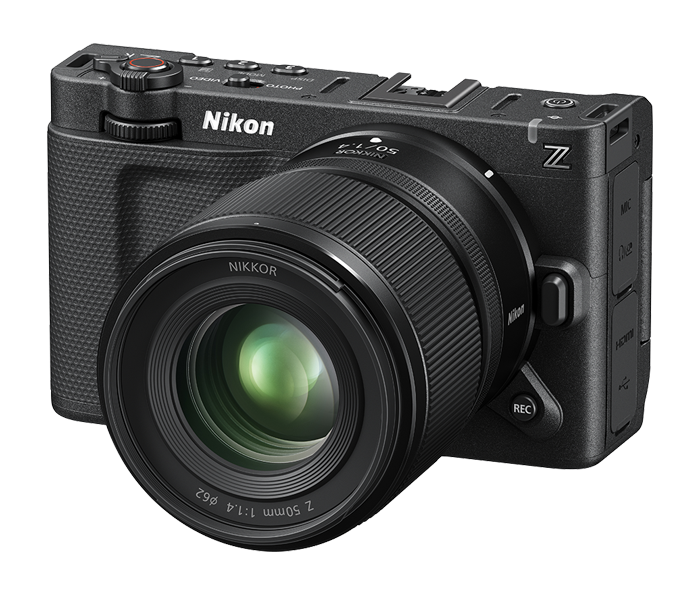
The Nikon Zf and the Nikon ZR are two compelling, full-frame mirrorless cameras from Nikon, each tailored to different types of photographers. Both cameras feature a 25-megapixel sensor, making them ideal for capturing stunning images with great detail. However, they cater to various needs, with the Zf appealing to those who prioritize a robust all-around performance, while the ZR targets enthusiasts looking for advanced features and flexibility, particularly in low-light scenarios. The key differentiators include autofocus performance, video capabilities, and build quality, which makes deciding between them pivotal for potential buyers.
Specifications Comparison
Detailed Comparison
Image Quality
Both cameras boast a full-frame sensor with 25 megapixels, offering excellent image quality capable of capturing fine details in varying lighting conditions. The Zf is well-known for its color accuracy and remarkable dynamic range, which allows photographers to work efficiently in diverse environments. Since both models share the same sensor size and resolution, their image quality in still photography is quite comparable. However, the ZR's enhanced ISO range of 100-64000 provides a slight advantage in low-light situations, enabling it to produce cleaner images at higher ISO settings. Additionally, the ZR may perform somewhat better in noise management due to its later technology increments. Therefore, while both cameras excel in image quality, the slight edge in low-light performance gives the ZR an advantage.
Autofocus System
Both the Nikon Zf and ZR utilize a sophisticated autofocus system with 273 autofocus points, ensuring precise focusing across a wide area. The Zf, however, features a more advanced processing algorithm that allows it to track subjects effectively, especially in challenging conditions. With its maximum frames per second performance of 14 fps, the Zf can capture fast-moving subjects accurately. Conversely, the ZR pushes the envelope with a faster burst speed of 20 fps, making it more suitable for high-speed shooting scenarios such as sports or wildlife photography. In this aspect, while both systems are robust, the ZR's speed development demonstrates a slight advantage for action photography.
Video Capabilities
Video performance is crucial for many modern photographers and videographers, and both cameras offer compelling features. The Nikon Zf excels with its ability to shoot 4K video at 60p, providing smoother footage for high-action scenes and enhancing the versatility of the camera. Its electronic viewfinder also makes it easier to compose shots precisely during filming. On the other hand, the ZR, while offering similar 4K capabilities, does not possess a viewfinder, potentially making composition more challenging in certain scenarios. The Zf's superior video specifications make it the go-to choice for filmmakers looking for high-quality output efficiently.
Build & Ergonomics
When it comes to ergonomics, the Zf is designed for comfort with its larger dimensions and heavier weight of 710 grams, making it more stable during handheld shooting. The design emphasizes traditional elements, which many users find appealing. Meanwhile, the ZR is more compact, weighing only 630 grams, and features weather sealing, which enhances its durability against harsh conditions. This makes the ZR ideal for outdoor photography and ensures longevity in variable environments. Ultimately, the choice here hinges on personal preference: the Zf offers comfort and stability, while the ZR provides portability and resilience.
Battery & Storage
Battery life can significantly influence a photographer's choice, especially for long shooting sessions. The Zf's battery is rated for approximately 380 shots, which is decent but may require carrying extra batteries for extensive use. In contrast, the ZR's battery life is generally not detailed in the specifications, but ergonomically it's often designed to accommodate high usage; however, without specific ratings, it remains uncertain. Both models use the same battery type, so there wouldn't be a significant difference in terms of storage or support for high-capacity cards. Given the known capacity for the Zf, it earns a preference for planning long shooting durations.
Value for Money
Pricing plays a crucial role in differentiation, with the Zf positioned at $1999, while the ZR comes in at $2200. For users seeking a comprehensive feature set with ample video capabilities and solid photographic performance, the Zf offers substantial value for the price, especially for enthusiasts and semi-professionals. The ZR, although priced higher, includes advanced features and weather sealing which may justify the investment for some professionals or avid enthusiasts. Ultimately, those prioritizing video performance without going over budget may find the Zf a better deal, while the ZR's advanced features warrant its price for specialized users.
Lens Ecosystem
Both the Nikon Zf and the ZR share the Nikon Z mount, offering access to the same extensive lineup of Z-mount lenses. This compatibility facilitates seamless lens transitions between the two models. Nikon's Z-mount system has broad options ranging from ultra-wide to telephoto lenses, ensuring users can find suitable lenses for their varied needs. Therefore, in terms of lens ecosystem, there is no significant disparity between the Zf and ZR, which means users have the same opportunities regardless of the choice. The availability of third-party lenses is also an essential factor, which remains consistent across both platforms.
Our Verdict
In conclusion, while both the Nikon Zf and ZR offer impressive capabilities, the Nikon Zf emerges as the overall winner primarily due to its superior video functionality, better battery life, and value for price. It caters well to photographers and videographers alike, making it suitable for enthusiasts and professionals. The ZR, with its swift autofocus and low-light prowess, still holds merit for users focusing on speed and ruggedness, but it comes at a higher price. Both cameras excel in their domains, and the choice ultimately depends on the specific needs and shooting preferences of the buyer.
Nikon Zf
Nikon ZR
Also Compare
Frequently Asked Questions
Which camera is better for low-light photography?
The Nikon ZR is better for low-light photography due to its higher ISO range, allowing for cleaner images in challenging lighting conditions.
What is the main advantage of the Nikon Zf for video?
The Nikon Zf supports 4K video recording at 60p, providing smooth high-action footage, making it ideal for videographers.
Is the Nikon ZR worth the extra money?
The Nikon ZR may be worth the extra money for photographers who prioritize high speed and weather sealing, offering better durability and performance in fast-paced scenarios.
Which camera has better autofocus?
While both feature 273 autofocus points, the Nikon ZR offers faster shooting speeds, making it suitable for action photography. The Zf's advanced tracking capabilities, however, may provide better overall performance in variable conditions.
What lenses are compatible with both cameras?
Both cameras utilize the Nikon Z mount and have access to the same extensive array of Z-mount lenses, ensuring users can find suitable options regardless of which camera they select.