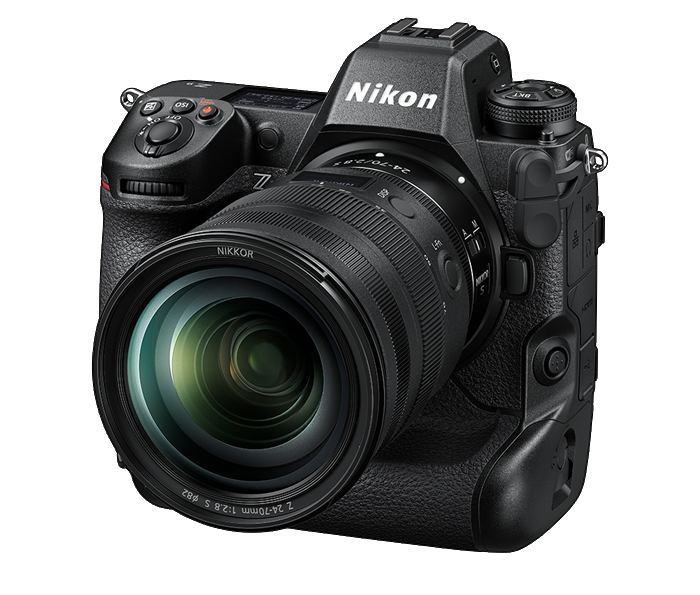
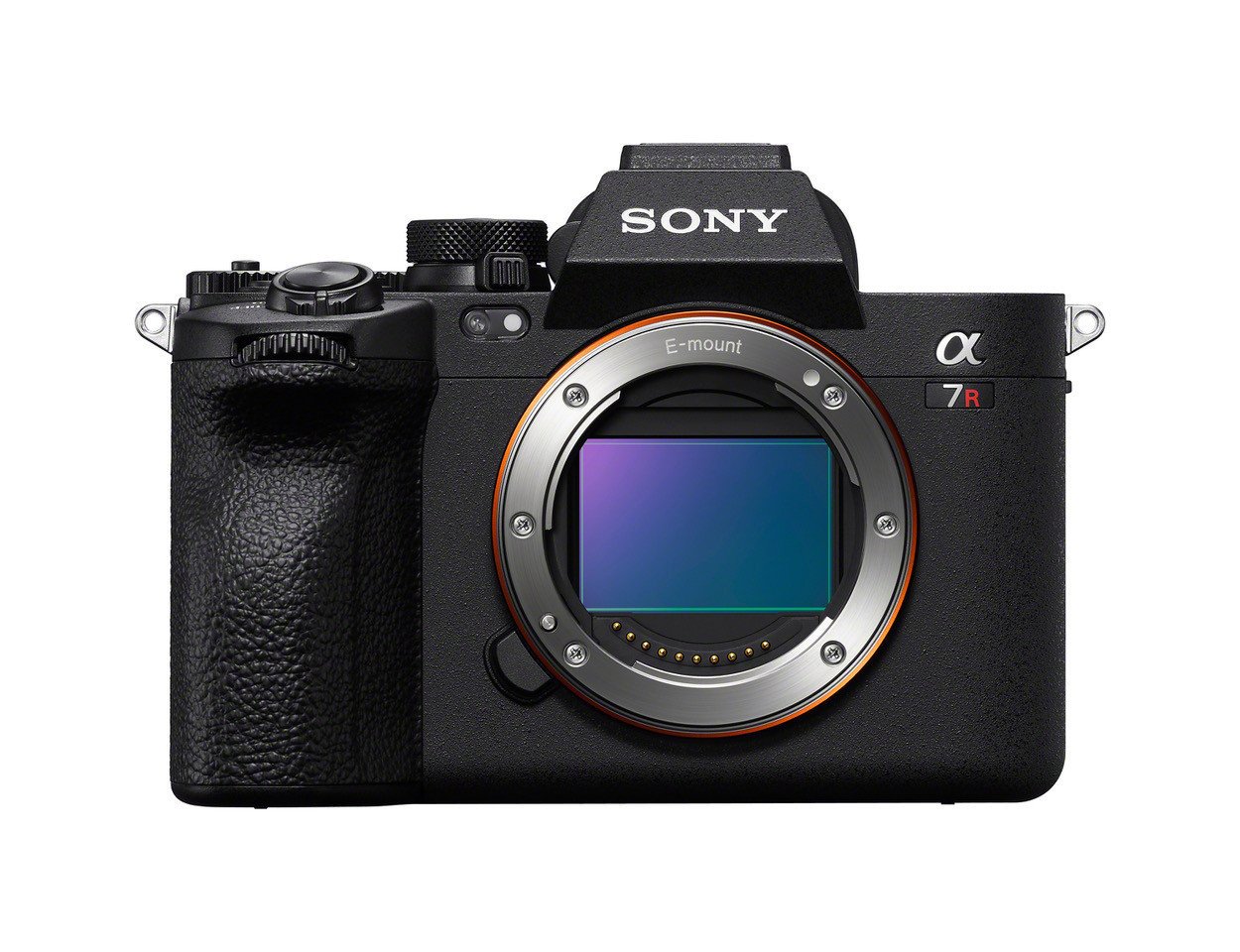
The Nikon Z9 and Sony A7R V are two flagship full-frame mirrorless cameras that are often compared by professional photographers and serious enthusiasts. Both models leverage cutting-edge technology to cater to a range of photography genres, including landscapes, portraits, and even high-speed action shots. Buyers might find themselves choosing between these two options based on specific features that align with their shooting style or preferences. Key differentiators between the Z9 and A7R V include image quality, autofocus performance, video capabilities, and overall build quality.
Specifications Comparison
Detailed Comparison
Image Quality
The Sony A7R V boasts a higher resolution of 60 megapixels compared to the Nikon Z9's 46 megapixels. This increased resolution can be particularly beneficial for landscape and commercial photographers who require the finest details in their images. Both cameras feature full-frame sensors, resulting in excellent performance in low-light conditions. However, the Z9's more advanced processing system allows for exceptional color accuracy and dynamic range, making it a formidable contender in real-world usage. While the A7R V may produce larger files, the Z9's lower megapixel count can speed up workflow and storage needs without sacrificing quality.
Autofocus System
The autofocus system is one of the most critical features for both cameras. The Z9 has 493 autofocus points, while the A7R V features 693 points, giving Sony a clear edge in this category. Additionally, the A7R V includes advanced subject detection capabilities powered by AI, enhancing its versatility in tracking moving subjects. The Z9, however, excels in speed and accuracy with its ability to shoot at a blistering 30 frames per second, making it better suited for sports and wildlife photography. Ultimately, while the Z9 provides impressive performance, the A7R V's more comprehensive autofocus system gives it the upper hand in most situations.
Video Capabilities
In terms of video capabilities, the Nikon Z9 takes the lead by offering 4K video recording at up to 120 frames per second, providing outstanding slow-motion options that are ideal for filmmakers. The Z9 also supports 8K video at up to 30p, marking it as a robust tool for those who need high-resolution video. Conversely, the Sony A7R V supports 4K recording at 60 frames per second, which is still impressive but does not match the Z9's offering. Both cameras feature high-quality electronic viewfinders, but for videographers looking for the highest frame rate and resolution, the Z9 stands out.
Build & Ergonomics
When considering build quality and ergonomics, both the Nikons Z9 and Sony A7R V are designed to withstand demanding environments. Both cameras feature weather-sealed bodies, but the Z9 is noticeably heavier at 1340g compared to the A7R V's 723g. This weight difference could be a significant factor for photographers who prioritize portability. The Z9 also has a larger grip that can accommodate larger hands comfortably, while the A7R V's compact size may appeal to those who prefer a lighter setup. Overall, the choice depends on personal preference regarding handling and weight.
Battery & Storage
Battery life is another crucial aspect, where the Nikon Z9 outperforms the Sony A7R V with approximately 740 shots on a single charge, compared to the A7R V's 530 shots. This extended battery life makes the Z9 more suitable for long shooting sessions without the need for frequent battery changes. Additionally, both cameras use dual card slots, but the Z9 can accommodate CFexpress Type B cards, which offer faster read and write speeds, beneficial for high-speed shooting and 8K video recording. This makes the Z9 superior for users who require a resilient choice for demanding photography.
Value for Money
When it comes to pricing, the Sony A7R V is priced at $3,900, making it significantly more affordable than the Nikon Z9, which retails at $5,500. This price difference can be a deciding factor for photographers on a budget or those who may not need the higher-end features of the Z9. However, the Z9's advanced capabilities could justify the higher price point for professionals seeking the top-tier performance for work that demands it. Buyers should evaluate what features are most important to them and whether the investment in a Nikon Z9 fits their needs.
Our Verdict
In conclusion, both the Nikon Z9 and Sony A7R V serve distinct needs within the photography community. The Z9 excels in video capabilities, battery life, and overall build quality, making it ideal for photographers who prioritize those features. On the other hand, the A7R V shines in image quality and autofocus performance and offers better value for those on a budget. Ultimately, your choice will depend on your specific requirements, whether they lean towards high-resolution images, advanced autofocus, or exceptional video capabilities.
Nikon Z9
Sony A7R V
Also Compare
Frequently Asked Questions
Which camera is better for landscape photography?
If high resolution is a priority, the Sony A7R V with its 60 megapixels is likely the better choice. However, the Nikon Z9 provides excellent color accuracy and dynamic range, which are also critical for landscape photography.
Is the battery life significantly different?
Yes, the Nikon Z9 offers a longer battery life at approximately 740 shots compared to the A7R V's 530 shots, making it more suitable for extended shooting sessions.
Which camera is better for sports photography?
The Nikon Z9 excels in sports photography due to its ability to shoot at 30 frames per second and superior tracking capabilities, despite having fewer autofocus points than the A7R V.
Are both cameras weather-sealed?
Yes, both the Nikon Z9 and Sony A7R V feature weather-sealed bodies, enhancing their durability for outdoor photography.
What is the price difference between the two cameras?
The Sony A7R V is priced at $3,900, while the Nikon Z9 retails at $5,500, making the A7R V a more affordable option.