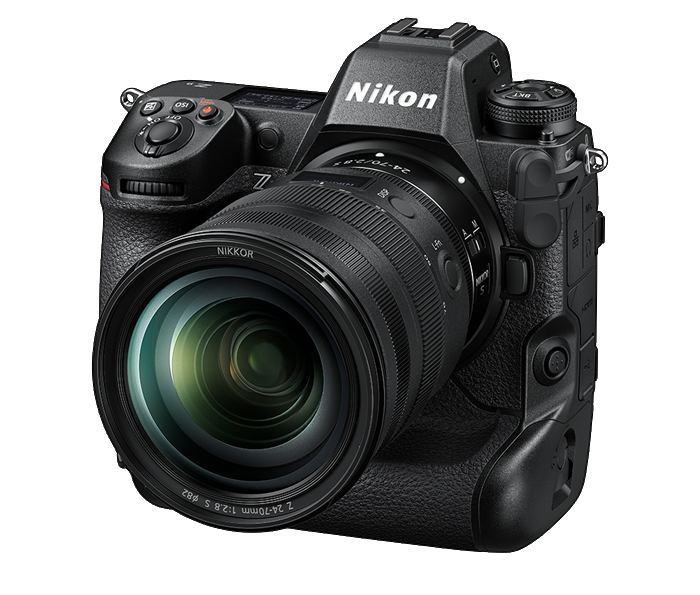
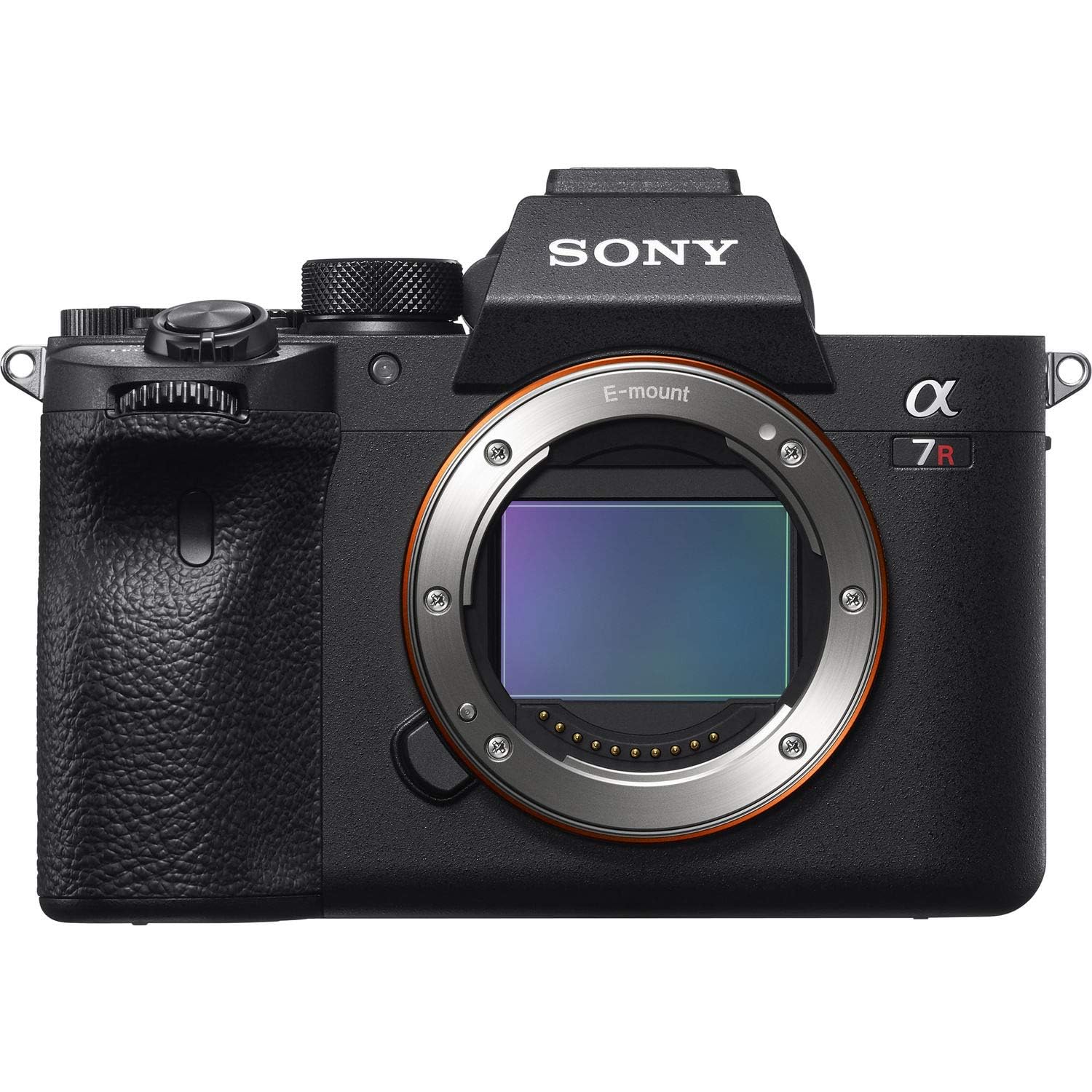
The Nikon Z9 and Sony A7R IV are among the top mirrorless cameras on the market, attracting professional photographers and serious enthusiasts alike. Both models are often compared because they represent the pinnacle of technology in their respective lines, offering high-resolution imaging, advanced autofocus systems, and robust video capabilities. When considering these cameras, potential buyers often grapple with which one best fits their specific shooting style and requirements, especially when balancing features against price points.
The key differentiators between the Nikon Z9 and Sony A7R IV lie in their sensor resolution, autofocus performance, video specifications, build quality, and overall usability. The Z9 boasts a higher frame rate and improved stabilization, catering more towards action photographers and videographers, while the A7R IV's higher megapixel count is geared more towards professionals who prioritize detail and resolution in their work. Understanding these factors can assist buyers in making an informed decision between these formidable competitors.
Specifications Comparison
Detailed Comparison
Image Quality
The Nikon Z9 features a 46-megapixel sensor which, while lower in resolution than the A7R IV, still delivers exceptional image quality with stunning detail, dynamic range, and color accuracy. The Z9's sensor is designed to perform exceptionally well in low light, making it a versatile choice for a variety of shooting conditions. Meanwhile, the Sony A7R IV boasts a 61-megapixel sensor that excels at capturing immense detail, producing images that are perfect for large prints or extensive cropping during post-processing. This substantial resolution is a significant draw for landscape, portrait, and product photographers who require maximum detail.
However, the difference in megapixels doesn't necessarily translate to a superior experience for all types of shooters. While the A7R IV captures more detail, the Z9 compensates with excellent noise control and color fidelity even at higher ISOs. Additionally, both cameras have great capabilities for dynamic range, but the Z9's processing and overall handling of highlights and shadows are well-regarded in professional fields.
Ultimately, the winner here may depend on the user's primary needs - for those needing maximum image resolution and detail the A7R IV takes a slight advantage. However, both cameras produce stunning results that will satisfy the majority of professional demands, resulting in a close contest for this aspect.
Autofocus System
The Nikon Z9's autofocus system features 493 points, offering wide coverage with exceptional responsiveness and tracking capabilities especially beneficial in high-speed shooting situations. This results in improved hit rates for fast-moving subjects such as wildlife or sports, where maintaining focus is critical. The advanced eye-detection AF technology further enhances its performance, making it particularly effective for portrait and wildlife photography.
In contrast, the Sony A7R IV incorporates 567 autofocus points, providing incredible depth and precision for focusing, including the renowned Real-Time Eye autofocus for both humans and animals. This feature is particularly useful in portraiture and wildlife shooting, ensuring that the subject's eyes are sharply in focus, which is often a deciding factor in image quality.
Both autofocus systems are exceptional and offer strong performance in various settings, but the Z9 is better suited for those who require burst shooting and quick tracking. Meanwhile, the A7R IV has an advantage in scenarios demanding fine focus precision. For a broader range of photography where high-speed tracking is necessary, the Z9 takes the edge based on overall capabilities.
Video Capabilities
When it comes to video capabilities, the Nikon Z9 is a clear winner, supporting 4K video recording up to 120fps. This high frame rate allows for exceptional slow-motion capabilities and results in smoother footage overall. The Z9 also includes features such as 10-bit N-Log recording, providing filmmakers with high-quality output and flexibility in post-production.
The Sony A7R IV, while still offering strong video capabilities, is limited to 4K at 30fps. It supports internal 8-bit recording, which is adequate for many users, but lacks the extensive high-frame-rate options that professional videographers may seek. The A7R IV also has a strong lineup of video features, including S-Log3 support for enhanced post-production flexibility, yet it simply cannot compete with the advanced features of the Z9.
For those primarily focused on high-resolution video or who frequently work in dynamic environments, the Nikon Z9 provides superior performance and options tailored to advanced videography, making it the preferred choice in this category.
Build & Ergonomics
The Nikon Z9 is larger and heavier, weighing in at 1340 grams, which can be an advantage for stability during handheld shooting. Its build quality is robust with extensive weather sealing, making it an ideal camera for outdoor and various weather conditions. The ergonomics are well-thought-out, offering a comfortable grip and deep layout for extended use, which can be a deciding factor for professionals who spend long hours shooting.
The Sony A7R IV is significantly lighter at 665 grams and features a more compact design, making it ideal for travel and portability. The ergonomic design has also received positive feedback, providing good usability despite its smaller size. However, while it also has weather-sealing, it may not be as durable under extreme conditions as the Z9.
Ultimately, the choice between build and ergonomics will depend on personal preference and shooting style. For users who value robustness and weight stability, the Z9 reigns supreme, whereas those seeking lightweight portability may prefer the A7R IV.
Battery & Storage
The Nikon Z9 offers an impressive battery life of approximately 740 shots per charge, which is a significant advantage for users engaged in long shoots without needing to frequently change batteries. This is particularly beneficial for event photogs who need to capture numerous moments throughout a day. The camera also features dual card slots compatible with CFexpress type B and XQD cards, supporting high-speed data transfers and large files, especially advantageous when shooting high-resolution content or extensive video.
In contrast, the Sony A7R IV has a slightly lower battery life, rated at around 670 shots. While this is still respectable, users who shoot extensively in the field may find themselves changing out batteries more frequently than they would with the Z9. The A7R IV also features dual card slots, but they support SD UHS-II cards, which, while adequate for many users, don't provide the high-speed benefits seen with CFexpress cards.
For prolonged shoots where battery life and storage speed are critical, the Nikon Z9 comes out as the more favorable choice. This advantage could be a deciding factor for professionals who often work on location.
Value for Money
Considering the Nikon Z9 is priced at $5500, it positions itself as a premium flagship camera with features that cater to professional-level needs in both photography and videography. While offering a robust set of functionalities, such a price point may be prohibitive for many casual enthusiasts or even semi-professionals. However, for professionals who require high performance in challenging environments, the investment could be justified due to its superior specs and build quality.
On the other hand, the Sony A7R IV, priced at $3500, delivers excellent value for those prioritizing resolution and image quality. It gathers numerous features appealing to advanced photographers but may lack some of the high-end video functionalities and burst shooting speeds of the Z9. For users who don't require the absolute cutting-edge performance in video or autofocus, the A7R IV provides a balanced approach with significant capabilities at a lower price point.
When considering value for money, it truly depends on the user's perspective and needs; however, the A7R IV offers a more accessible entry into high-resolution photography without the hefty price tag of the Z9, which might overshadow its broader capabilities. For those who need the latest and greatest, the Nikon Z9 justifies its price through advanced features, although the Sony A7R IV remains the more budget-friendly option.
Our Verdict
Overall, the Nikon Z9 outperforms the Sony A7R IV in critical areas such as autofocus speed, video capabilities, and battery life, making it the superior choice for professionals who require a high degree of versatility and performance in demanding environments. However, the Sony A7R IV excels in image resolution and offers exceptional value for photographers focused solely on still images or who prefer a lighter, more portable camera system. For users who prioritize video and robust performance across different shooting scenarios, the Z9 is the clear winner, while those looking for high-resolution stills without the premium cost might find the A7R IV the more desirable option.
Nikon Z9
Sony A7R IV
Also Compare
Frequently Asked Questions
Is the Nikon Z9 better for wildlife photography?
Yes, due to its superior autofocus system and higher continuous shooting speed, the Nikon Z9 is generally considered better for wildlife photography, allowing for rapid tracking of moving subjects.
Can the Sony A7R IV handle professional video production?
While it can handle professional video production, the A7R IV is limited in frame rates compared to the Z9, making it less suited for high-end videography. It is a good choice for standard video needs but lacks some advanced video options.
Which camera has better battery life?
The Nikon Z9 offers better battery life with approximately 740 shots per charge, compared to 670 shots for the Sony A7R IV. This makes it more suitable for long shoots.
If I'm mostly shooting landscapes, should I choose the A7R IV?
Yes, the A7R IV may be an excellent choice for landscapes due to its higher resolution, allowing for detailed images and large prints. However, the Z9 also produces superb images and provides greater versatility, so it ultimately depends on your specific needs.
Is the Nikon Z9 worth the extra cost?
If your work demands peak performance in autofocus, video capabilities, and dual battery life, the investment in the Nikon Z9 can be justified. For less demanding applications, the A7R IV provides great performance at a lower price.