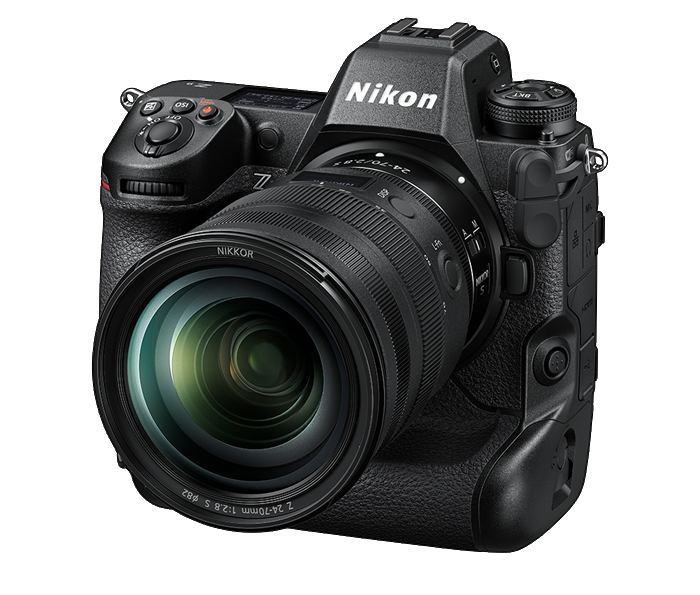
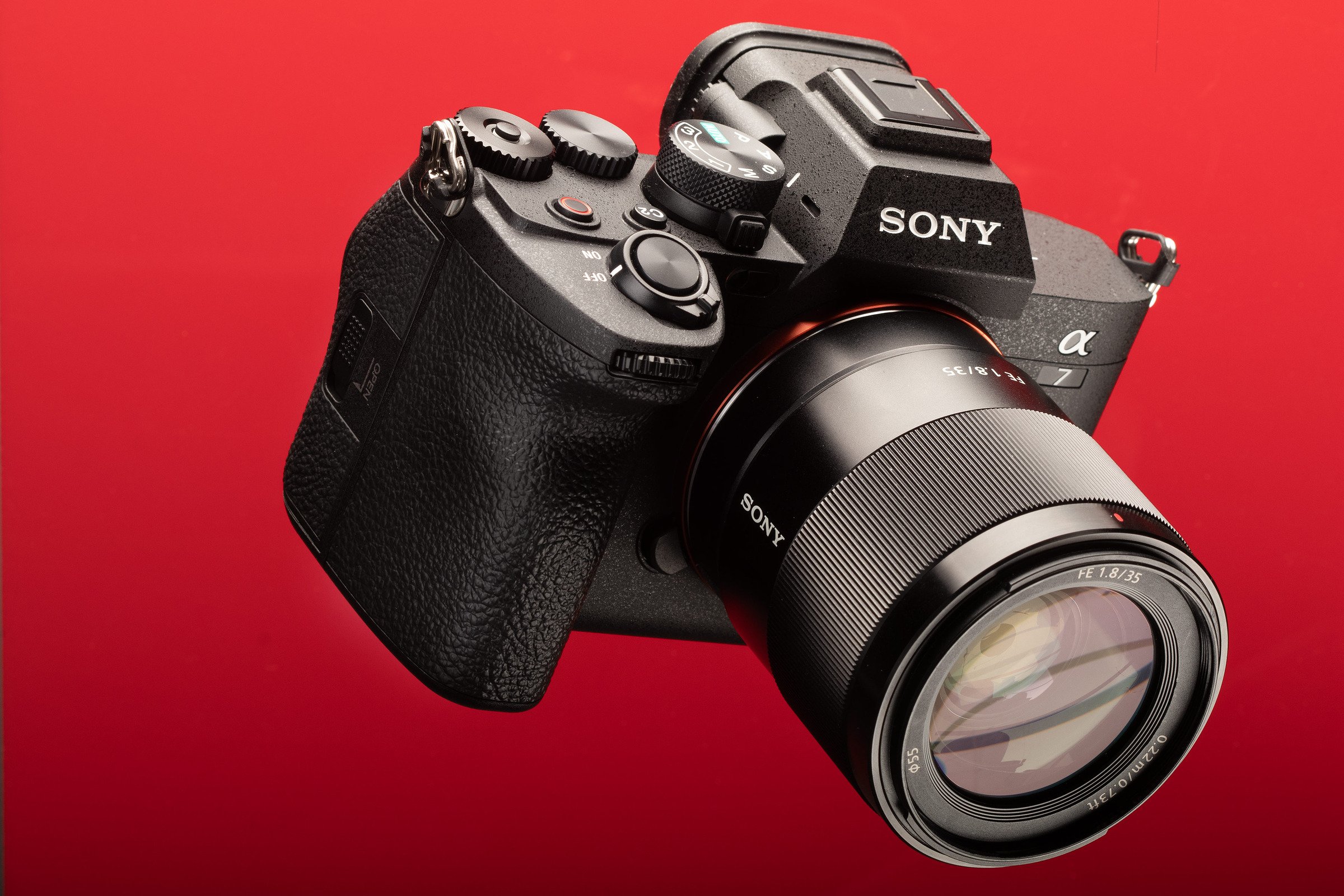
The Nikon Z9 and Sony A7 IV are two powerhouse full-frame mirrorless cameras released in 2021, and they are often pitted against each other by photographers and videographers alike. With a growing interest in mirrorless technology among professionals and enthusiasts, these two models offer exceptional image quality, advanced autofocus systems, and competitive video capabilities, making them appealing choices for a range of users. Key differentiators between the two include their sensor resolution, autofocus performance, video specifications, and overall usability, leading to considerations based on specific user needs and preferences.
Specifications Comparison
Detailed Comparison
Image Quality
The Nikon Z9 features a full-frame sensor with an impressive 46 megapixels, providing greater resolution and detail compared to the Sony A7 IV, which has 33 megapixels. This higher pixel count in the Z9 is beneficial for photographers who require large prints or extensive cropping capabilities. Additionally, the Z9's sensor offers exceptional dynamic range, which excels in both highlighting details in shadows and maintaining highlights.
In contrast, while the A7 IV's 33 megapixels may seem lower, it still provides outstanding image quality with remarkable color accuracy and tonal range. Many photographers will find this resolution sufficient for most applications, including professional use. The A7 IV also boasts a versatile ISO range of Auto, 100-51200, which can be expanded to 50-204800, giving it an edge in low-light conditions.
Ultimately, both cameras produce superb image quality; however, for those prioritizing maximum detail and resolution, the Nikon Z9 takes the lead. Nevertheless, the A7 IV still holds its ground well, especially if low-light performance and a more moderate resolution are sufficient for the user's needs.
Autofocus System
Nikon Z9 has a highly advanced autofocus system with 493 focus points that provide excellent tracking ability for both stills and video. In practice, its Eye-Detection AF is particularly reliable, allowing users to capture sharp images of moving subjects with ease. Moreover, the Z9's tracking is enhanced by its high frame rate of up to 30 frames per second, enabling quick and accurate focusing in fast-paced environments.
On the other hand, the Sony A7 IV features a robust autofocus system with 759 focus points, giving it a slight edge in coverage and precision. The differences in autofocus performance become particularly noticeable when shooting fast-moving subjects, where the A7 IV is known for its impressive performance and reliability, especially in sports and wildlife photography.
Though both cameras excel in their autofocus capabilities, the Nikon Z9 edges slightly ahead in real-world usage due to its tracking speed at higher frames per second. However, the A7 IV offers extraordinary focus coverage and is also incredibly capable, making this aspect a hard-fought competition.
Video Capabilities
When it comes to video features, the Nikon Z9 has a significant advantage, supporting 4K video recording at 120 frames per second. This capability provides exceptional quality and allows for slow-motion footage with stunning detail. Furthermore, the Z9 offers internal recording in ProRes 422 HQ, which is highly regarded in professional film production.
Conversely, the Sony A7 IV supports 4K video at up to 60 frames per second, which, while lower than the Z9's capabilities, still provides large options for creators looking to produce high-definition content. Additionally, the A7 IV offers robust video features like S-Cinetone and excellent color science, making it a versatile choice for hybrid shooters who want to balance photography and videography.
For video-centric users, the Nikon Z9 is the superior choice with its higher frame rates and advanced video functions, making it well-suited for professionals needing cutting-edge video performance. The A7 IV, while not as expansive, still offers solid video recording capabilities for enthusiasts.
Build & Ergonomics
In terms of build quality and ergonomics, both the Nikon Z9 and Sony A7 IV are constructed to withstand the rigors of professional use, with weather sealing ensuring durability in various conditions. The Z9, being the larger and heavier of the two, weighs 1340g compared to the A7 IV's more compact weight of 659g, making the Sony model more portable for everyday shooting.
The Z9's larger grip provides a more comfortable hold for extended shooting sessions, especially with heavier lenses. Conversely, the A7 IV's smaller size allows for nimble handling and easy transportation, appealing especially to travel photographers. Both cameras have electronic viewfinders and tilting screens, though the Z9's screen is larger at 3.2 inches versus the A7 IV's 3 inches.
Ultimately, the choice between these two will depend on user preference regarding size and weight. For those prioritizing a robust handling experience and comfort during long shoots, the Z9 excels. However, for portability and ease of use, the A7 IV is the more accommodating option.
Battery & Storage
The Nikon Z9 holds an edge over the Sony A7 IV when it comes to battery life, offering approximately 740 shots per charge compared to the A7 IV's 580. This increased longevity makes the Z9 a better option for event photographers and those who shoot for long periods without access to charging options.
In terms of storage, both cameras utilize dual card slots, which is crucial for professionals who require higher storage capacities and backup options when shooting high volumes of images. The Z9 supports CFexpress Type B and SD UHS-II cards, while the A7 IV supports CFexpress Type A and SD UHS-II cards. The difference in card types and compatibility may affect users depending on the memory cards they currently own or prefer.
In summary, while both cameras offer good battery life for their class, the Nikon Z9 has a more substantial advantage. Each also provides useful dual storage options, but users might need to consider what storage cards they plan to use with each camera.
Value for Money
At a retail price of $5500, the Nikon Z9 positions itself as a premium offering in the mirrorless market, targeting professional photographers and videographers who require top-tier performance and advanced features. Its superior specifications in areas like megapixel count, video capabilities, and autofocus performance justify its higher price for those who demand the best.
In contrast, the Sony A7 IV's price of $2499 represents a more accessible entry point into high-quality full-frame photography and videography, appealing to serious enthusiasts and semi-professionals. It still delivers exceptional performance but at a fraction of the cost of the Z9, making it an attractive option for those on a budget seeking an impressive feature set.
For photographers who do not require the extreme capabilities of the Z9, the A7 IV provides excellent value and functionality, making it attractive for a wider range of users. Therefore, while the Z9's capabilities might justify its price for specific professional applications, the A7 IV offers a more balanced and accessible choice for many photographers.
Our Verdict
While both the Nikon Z9 and Sony A7 IV hold their ground well, the Nikon Z9 is the overall winner due to its superior specifications in key areas such as image quality, autofocus performance, and video capabilities. It's an ideal choice for professionals requiring high resolution and advanced features. However, the Sony A7 IV stands out as a compelling option for users who prioritize value for money and a more compact system without sacrificing too much in the areas that count for serious photography and videography. Each camera has strengths appealing to different segments of the market, ensuring that buyers can find a model suited to their specific needs.
Nikon Z9
Sony A7 IV
Also Compare
Frequently Asked Questions
Which camera is better for professional sports photography?
The Nikon Z9 is better suited for professional sports photography due to its higher maximum frame rate of 30 fps and superior autofocus performance, which are critical for capturing fast-moving subjects.
Is the Sony A7 IV good for low-light photography?
Yes, the Sony A7 IV has an extensive ISO range that performs well in low-light situations, making it a capable choice for nocturnal or dimly lit environments.
How do the video capabilities of these two cameras compare?
The Nikon Z9 offers 4K recording at up to 120 fps, providing more advanced video capabilities than the Sony A7 IV, which supports 4K at 60 fps.
Which camera has better battery life?
The Nikon Z9 has a better battery life, offering approximately 740 shots per charge compared to the Sony A7 IV's 580 shots.
Are both cameras weather-sealed?
Yes, both the Nikon Z9 and Sony A7 IV are weather-sealed, designed to withstand challenging shooting environments.