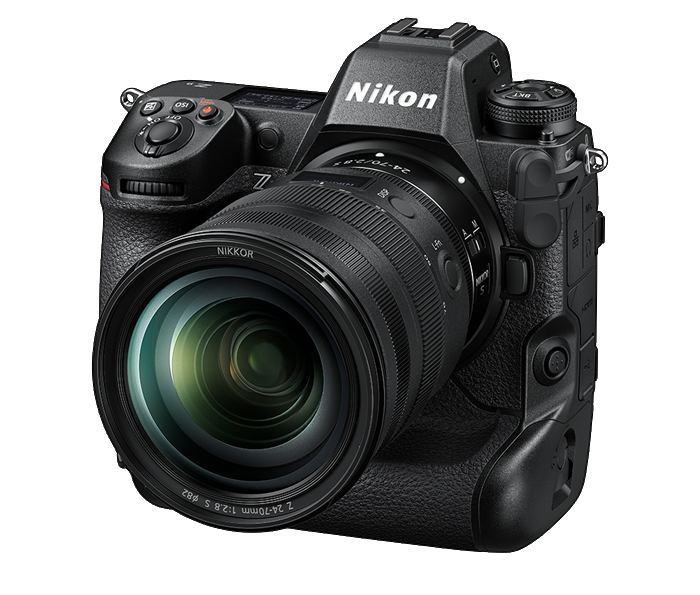
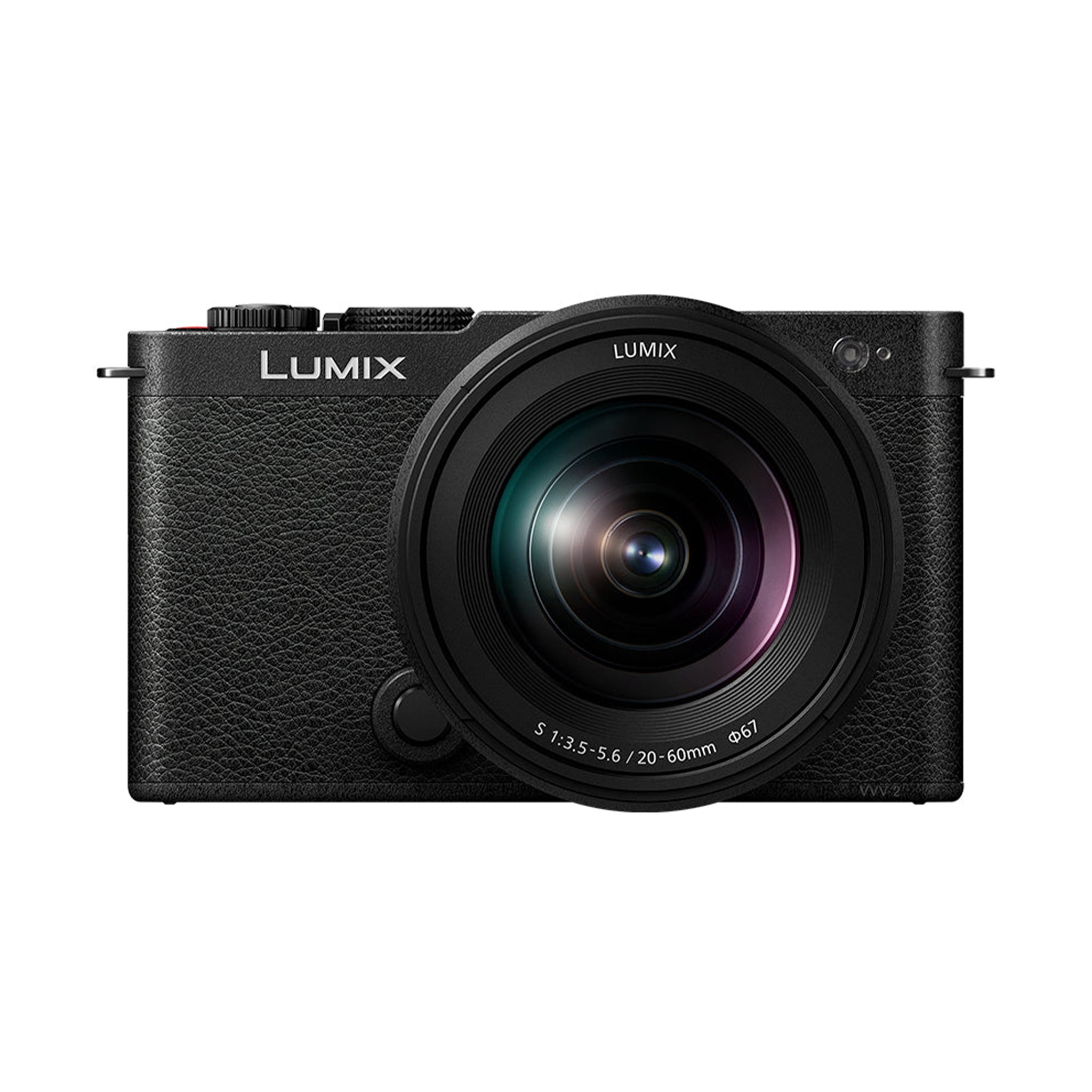
The Nikon Z9 and Panasonic S9 are both full-frame mirrorless cameras, but they target very different audiences within the photography and videography communities. The Nikon Z9 is a professional-grade flagship camera known for its high resolution, advanced autofocus, and rugged construction. In contrast, the Panasonic S9 is a compact, lightweight, and more affordable full-frame camera designed for enthusiasts or content creators who prize portability and value.
Buyers might find themselves comparing these two cameras if they're weighing the ultimate in performance and features (represented by the Z9) against an ultra-portable, budget-friendly option with solid image quality (the S9). While both benefit from the advantages of a full-frame sensor, the key differentiators are their resolution, autofocus sophistication, video feature sets, build quality, and overall price point. Understanding these distinctions is crucial for making the right investment for your specific needs.
Specifications Comparison
Detailed Comparison
Image Quality
The Nikon Z9 features a 46-megapixel full-frame sensor (35.9 x 23.9 mm), which is nearly double the resolution of the Panasonic S9's 24-megapixel full-frame (35.6 x 23.8 mm) sensor. This higher pixel count gives the Z9 a distinct edge in scenarios where detail, cropping flexibility, and large-format printing are important. Color science and dynamic range are excellent in both cameras, although Nikon's sensor slightly edges out with more resolving power and nuanced gradations in post-processing flexibility.
The Panasonic S9, using a more modest 24MP sensor, offers very good noise performance and sufficient resolution for most enthusiasts and content creators. Its newer sensor design (released in 2024) may provide subtle improvements in sensitivity, but it can't match the Z9 for ultimate detail or resolving power.
In real-world use, the choice here often comes down to workflow needs. The Z9 is better suited for landscape, commercial, or studio photographers who demand the highest image quality, while the S9 delivers solid performance for everyday shooting and social-media content creation.
Overall, while both sensors deliver full-frame advantages, the Z9 clearly leads in terms of raw image quality and resolution.
Autofocus System
The Nikon Z9 offers a highly advanced autofocus system with 493 phase-detection AF points, providing rapid, accurate, and reliable subject tracking, including sophisticated eye and animal detection. This makes it ideal for sports, action, and wildlife photography where fast and decisive AF is essential.
Panasonic has made great strides with autofocus in recent years, but the S9 still lags behind the Z9 in both the sheer number of AF points and tracking sophistication. While it uses a modern contrast- and phase-detect system suitable for everyday shooting and video, it does not match the Z9's ability to quickly lock onto moving subjects or deliver professional action capture results.
For most casual shooters and those primarily doing still portraits or slow-moving scenes, the S9's AF will be adequate. However, professionals needing best-in-class performance will gravitate toward the Z9. The ease and confidence with which the Z9 acquires and maintains focus sets it apart.
For autofocus, the Z9 is the clear winner.
Video Capabilities
The Nikon Z9 is a powerhouse for video, offering 8K (not listed above, but known from its specs), along with 4K at up to 120fps. This makes it a compelling option for pro videographers and content creators seeking high frame rates, perfect for slow-motion or cinematic production. Advanced color profiles and robust video tools are also present.
The Panasonic S9 offers 5.9K capture (higher than the Z9's 4K, though not native 8K), as well as UHD 4K, DCI 4K, and 1080p options. While its video toolkit is more focused on accessibility and ease of use, it's capable of high-resolution video output and leverages Panasonic's strong history in video-centric features. The S9 is compact, lightweight, and easy to set up for quick on-the-go shoots.
In practice, the Z9's broader frame rate options, pro-grade video features, and 4K 120p recording give it an edge for serious filmmakers and hybrid shooters. However, the S9's 5.9K makes it attractive for content creators prioritizing flexibility and affordability.
Given the Z9's advanced specs and flexibility, it wins for video-though the S9 offers impressive performance for its size and class.
Build & Ergonomics
At 1340g and measuring 149x150x91 mm, the Nikon Z9 is a large, weather-sealed camera built for extreme conditions and professional use. Its robust construction, deep grip, and abundance of physical controls make it well-suited for heavy, all-day use in any environment. The top-of-the-line electronic viewfinder and high-resolution 3.2-inch screen further enhance usability with extensive tactile control.
The Panasonic S9 is all about portability, weighing just 486g and measuring 126x73.9x46.7 mm. This size makes it ideal for travel, street photography, or vlogging. However, it lacks comprehensive weather-sealing, and its smaller size may be less comfortable for those with large hands or for use with heavier lenses. Ergonomic trade-offs are evident, as is the smaller, less detailed rear display.
For those needing durability, comprehensive controls, and confidence in challenging weather conditions, the Z9 is clearly superior. Meanwhile, the S9 excels in effortless carry and discreet shooting, catering to a different use case.
Winner: the Z9, for professionals prioritizing build quality and ergonomics.
Battery & Storage
The Nikon Z9 delivers a robust battery life of approximately 740 shots per charge-a figure that's excellent for its class, particularly given the power demands of its large sensor and EVF. The Z9 also features dual high-speed card slots, catering to professionals who require redundancy and fast write speeds for large files and bursts or video clips.
The Panasonic S9's precise battery life and storage details are not specified here, but as a lightweight model, its battery is expected to last fewer shots per charge-typical of most compact mirrorless designs. Depending on the specific design, it may also offer single card storage, putting it at a disadvantage for backup and high-volume shooting.
For extended, demanding shoots (events, sports, documentary work), the Z9's longevity and card management options give it a decisive advantage. S9 users may need to carry spare batteries and manage cards more actively on longer sessions.
Winner: the Z9.
Value for Money
The Nikon Z9 is listed at $5,500, targeting professionals who require best-in-class performance and are willing to invest heavily for ruggedness, advanced features, and future-proof technology. For those who need these capabilities, the Z9 justifies its hefty price tag.
The Panasonic S9, though missing a listed price in the comparison, is positioned far below the Z9 in cost and brings full-frame capability to a much broader audience. For hobbyists, travel enthusiasts, or content creators on a tighter budget, the S9 offers impressive image quality, modern features, and a lightweight build at a fraction of the Z9's price.
For sheer dollar-to-performance ratio and accessibility, the S9 is much more attainable, especially for those who do not require uncompromising pro-level features. Thus, value for money swings decisively toward the S9.
Lens Ecosystem
The Nikon Z mount continues to expand rapidly with high-quality native lenses from both Nikon and third-party manufacturers. Its ecosystem is robust, especially for professionals needing specialized optics, fast primes, and telephoto options.
The Panasonic S9 uses the L-Mount alliance, which includes contributions from Panasonic, Leica, and Sigma, offering a diverse range of lenses from budget-friendly to premium. This ecosystem is arguably broader in terms of available choices, especially at varying price points and focal lengths. Adaptability and openness are strengths of the L-Mount alliance.
Both systems offer high-quality glass, but the L-Mount alliance's open standard and rapid third-party development mean S9 owners may more easily find affordable and specialized lenses.
Winner: tie.
Our Verdict
Overall, the Nikon Z9 outpaces the Panasonic S9 in most core areas: image quality, autofocus, video performance, durability, and battery life. It is purpose-built for professionals who need reliability, speed, extensive controls, and the flexibility to tackle the most demanding photographic or videographic tasks. Its high price reflects this advanced feature set and robust build. The Panasonic S9, while not matching the Z9's pro-grade specs, excels as a lightweight, highly portable, and much more affordable entryway into full-frame photography and video. It is ideal for everyday photographers, travelers, vloggers, or anyone who values convenience and cost savings over absolute performance. For professionals and serious hobbyists demanding the best, the Z9 is the clear winner. For those prioritizing value, portability, and accessibility, the S9 is an excellent and sensible choice.
Nikon Z9
Panasonic S9
Also Compare
Frequently Asked Questions
Who should buy the Nikon Z9 over the Panasonic S9?
The Nikon Z9 is best suited for professionals, advanced enthusiasts, and anyone needing top-tier performance across stills and video, highly reliable autofocus, rugged build, and long battery life. Its large body and price reflect its advanced capabilities targeted at demanding use cases.
How does image quality compare between the Nikon Z9 and Panasonic S9?
The Z9 offers nearly double the resolution of the S9, with greater detail, dynamic range, and flexibility for cropping or large prints. The S9 still delivers excellent image quality for most common uses, but the Z9 is superior when ultimate fidelity is needed.
Is the Panasonic S9 good for video?
Yes-the S9 features 5.9K, UHD 4K, and DCI 4K recording, making it a strong choice for content creators. While it lacks the advanced frame rate and pro-grade features of the Z9, it is excellent for vlogging, travel, and general video work-especially at its size and price.
Which camera is better for travel?
The Panasonic S9 is far lighter and more compact, making it the better choice for travel, everyday carry, and street shooting. The Z9, while durable, is bulky and heavy-better suited for assignments where portability is not a primary concern.
How do lens options compare between Nikon Z and L-Mount?
Nikon Z mount offers a growing stable of high-quality lenses, especially suited for professional work. Panasonic's L-Mount system benefits from the L-Mount alliance, giving access to a broad array of panasonic, Leica, and Sigma lenses-including budget and specialty options. Both systems are robust, but L-Mount may be more versatile for certain budgets.
Which camera offers better value for money?
The Panasonic S9 offers far better value for most users who don't need the very highest level of performance. For professionals who will use the Z9 to its fullest, its price is justified by its capabilities. For most others, the S9's price-to-performance ratio is unbeatable.