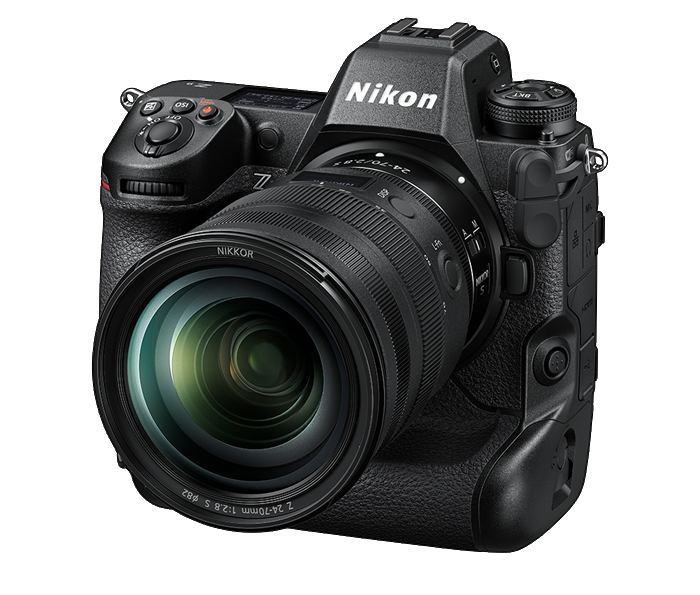
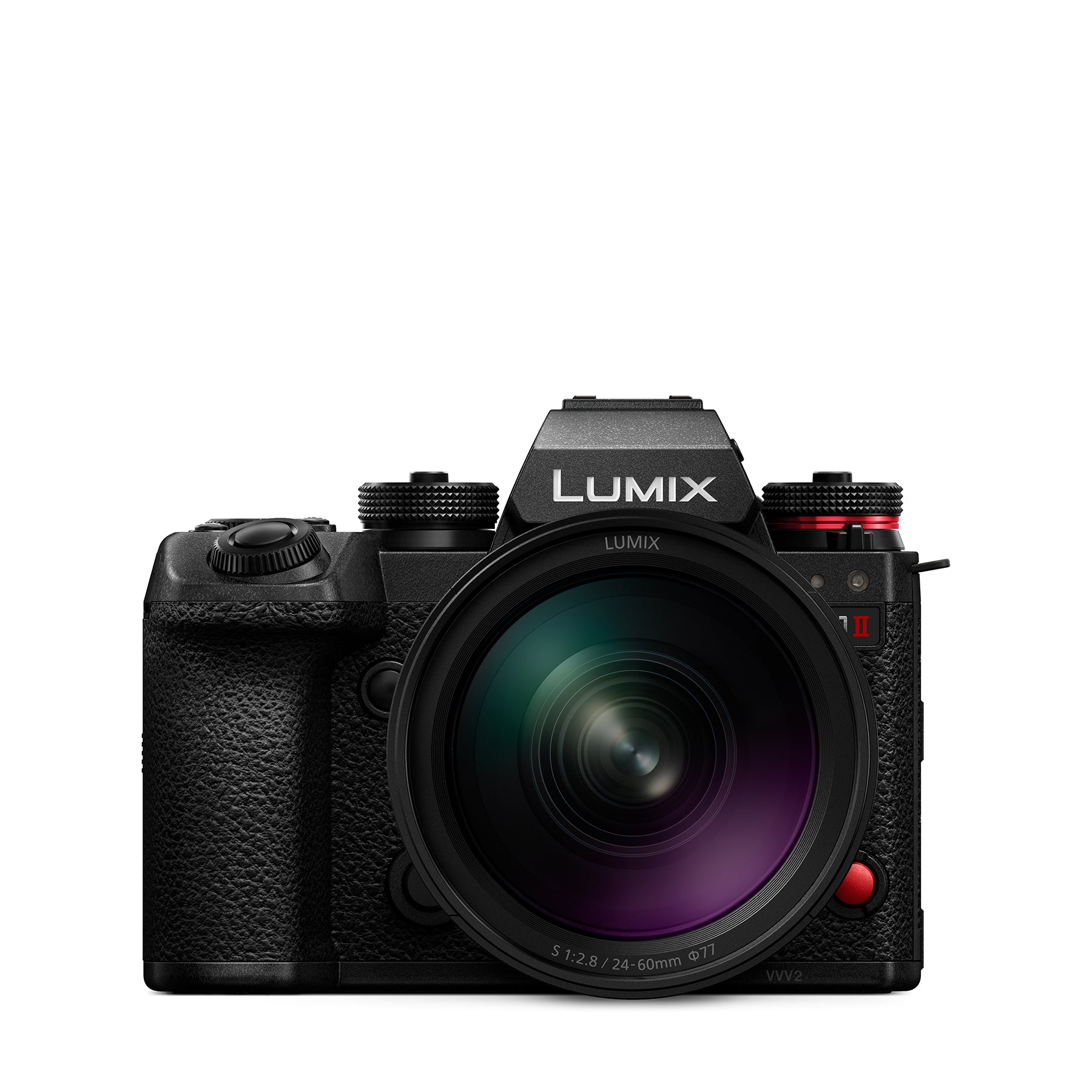
The Nikon Z9 and Panasonic S1 II are two formidable contenders in the full-frame mirrorless camera market. Photographers and videographers alike often find themselves choosing between these models due to their blend of advanced features, exceptional image quality, and robust build. While the Z9 is praised for its high resolution and speed, the S1 II is lauded for its versatile video capabilities and stabilization. Each caters to different segments of the market, making the decision largely dependent on specific user needs such as photography versus videography, resolution requirements, and overall ergonomics.
Specifications Comparison
Detailed Comparison
Image Quality
The Nikon Z9 boasts a 46 MP sensor, allowing for incredibly detailed images, making it an excellent choice for landscape photographers and anyone requiring high-resolution captures. With its larger sensor size, the Z9 can also perform better in low-light situations. The higher megapixel count gives it an edge in terms of cropping flexibility and large print capabilities. In contrast, the Panasonic S1 II, while equipped with a 24.1 MP sensor, still delivers excellent image quality but may not match the Z9's detail in high-resolution photography. This can affect users who prioritize maximum detail, such as commercial photographers.
However, it's also essential to consider the image processing capabilities. Both cameras provide exceptional color reproduction, but the Z9's larger sensor allows for greater dynamic range, enabling photographers to capture a wider variety of tones. Additionally, while the S1 II holds its own with quality, the difference in megapixel count may not be as critical for casual users or those interested primarily in video. The difference in ISO performance can also be pivotal; the Z9 tends to have better noise management at higher ISO settings, benefiting those who shoot in challenging lighting conditions.
Ultimately, while both cameras offer outstanding image quality, the clear winner in this section is the Nikon Z9 for its higher resolution and superior low-light performance.
Autofocus System
The autofocus system is vital for effective shooting, especially in fast-paced environments. The Z9 leads this category with an impressive 493 autofocus points, providing extensive coverage and improving the chances of achieving sharp focus on moving subjects. This makes the Z9 an ideal camera for wildlife and sports photography, where subjects may be in constant motion.
On the other hand, the Panasonic S1 II, while it has a competent autofocus system, generally employs a contrast detection method which might not be as fast or reliable as the phase detection used in the Z9. While Panasonic has improved their autofocus capabilities over the years, the sheer number and sophistication of the Z9's autofocus points give it a decisive advantage. For users who often shoot action or wildlife, this difference makes the Z9 a more dependable option.
In practical applications, many users have reported that the Z9 locks focus quickly and accurately even in challenging lighting and fast-moving situations. The S1 II offers sufficient performance for most situations but may struggle to keep up with the Z9 under extreme conditions, leading to more missed shots in demanding scenarios.
Video Capabilities
When it comes to video capabilities, the Panasonic S1 II takes a notable lead with its 5.1K 60p recording, offering higher video resolution options that greatly appeal to videographers. This camera is designed with video in mind, allowing functionalities such as V-Log recording, which enhances color grading flexibility. Additionally, the 8-stop 5-axis in-body image stabilization (IBIS) of the S1 II helps counteract camera shake, making it a preferred choice for handheld filming.
The Nikon Z9, while also capable of impressive video performance at 4K up to 120p, may not match the resolution offered by the S1 II. For users primarily focused on video production, the extra resolution and stabilization features of the S1 II can significantly enhance the shooting experience. However, the Z9's video features like ProRes RAW support and other professional video options still cater well to advanced users seeking high-quality results.
In conclusion, for videographers wanting high-resolution options with extensive video features, the Panasonic S1 II earns the victory in this round.
Build & Ergonomics
Both the Nikon Z9 and Panasonic S1 II offer robust build quality and weather sealing, catering to professional photographers who operate in various environments. The Z9 has a tactile and highly ergonomic design with a heftier weight of 1340g, which may provide a more stable feel for shooting, especially with longer lenses. It features a large EVF and a high-resolution touchscreen, which enhances usability in different shooting angles.
On the other hand, the S1 II, while slightly lighter, also presents an ergonomic design that many find comfortable for extended shooting sessions. It features an exceptionally well-laid-out button scheme, particularly beneficial for videographers looking to make quick adjustments. The differences in overall feel may come down to personal preference, as some users might prefer the more substantial feel of the Z9, while others may favor the lighter weight of the S1 II for longer shoots.
While both cameras offer weather sealing, the refinement in the Z9's construction can give it an edge when filming in wet or dusty environments. Therefore, considering all factors, the Z9 takes the win in terms of build quality and ergonomics due to its slightly more rugged attributes and refined feel.
Battery & Storage
Battery life is critical for professionals who engage in long shoots. The Nikon Z9 excels in this regard, offering a significant battery life of approximately 740 shots per charge. This performance allows for longer shooting sessions without the need for constant battery changes or recharges, making it ideal for event photographers or those traveling in remote locations.
Conversely, the Panasonic S1 II, while offering decent battery performance, typically has a lower shot count from its battery. This fact can necessitate having spare batteries on hand during lengthy shoots. Additionally, the Z9 utilizes dual CFexpress Type B card slots which provide high-speed data transfer rates necessary for large file sizes, especially for high-resolution and high-frame-rate video applications.
The S1 II has SD card slots, which are widely compatible but may face limitations in write speeds compared to CFexpress, particularly in high-demand scenarios such as continuous high-frame video recording. In light of these factors, the Z9 earns the top spot in this category for its superior battery life and faster storage options.
Value for Money
When considering the price point, the Nikon Z9 comes in at approximately $5500, placing it in the premium range of the full-frame mirrorless market. While this represents a notable investment, the extensive features, build quality, and performance it offers can justify the price for high-end professional photographers and videographers looking for a reliable all-rounder.
In contrast, the Panasonic S1 II, released in 2023, likely carries a lower price point relative to the Z9, offering excellent value especially for videographers who prioritize video capabilities over stills performance. The S1 II's features like higher video resolutions and superior stabilization may appeal to buyers who primarily focus on filmmaking rather than photography, potentially making it a more appealing choice for those users on a budget relative to full-frame options.
Ultimately, the Z9's higher price tag comes with its elevated specifications and reliability, which may not be necessary for every user. Thus, while the Z9 may be more valuable for photography-centric professionals, the S1 II provides strong overall performance at a more accessible price for users focused on video, making this category a tough call.
Our Verdict
In summary, while both the Nikon Z9 and Panasonic S1 II offer strong offerings in the full-frame mirrorless camera landscape, the Nikon Z9 emerges as the overall winner due to its superior image quality, autofocus performance, and robust build quality. Photographers who require exceptional detail and reliability, especially in still photography, will find the Z9 matches their needs perfectly. However, for those who prioritize video quality and stabilization, the S1 II provides excellent capabilities at a more accessible price point. Your choice ultimately depends on your specific requirements, whether that be in photography or videography.
Nikon Z9
Panasonic S1 II
Also Compare
Frequently Asked Questions
Which camera is better for low-light photography?
The Nikon Z9 generally outperforms the Panasonic S1 II in low-light environments due to its higher megapixel count and superior noise management, making it the better option for low-light scenarios.
Is the Nikon Z9 worth the higher price?
For professional photographers and serious enthusiasts who prioritize image quality, reliability, and features, the Z9 can justify its higher price. However, if budget is a concern and video capabilities are essential, the S1 II may be a more practical option.
How does the autofocus performance compare?
The Nikon Z9 offers 493 autofocus points and superior tracking abilities, making it the better choice for fast action photography and wildlife work compared to the S1 II, which has a less extensive autofocus system.
What are the differences in video recording formats?
The Panasonic S1 II supports higher resolution 5.1K video recording, while the Nikon Z9 maxes out at 4K 120p. The S1 II adds more video-centric features like V-Log, appealing to filmmakers.
How does their stabilization systems compare?
The Panasonic S1 II has 8 stops of in-body stabilization, which is more effective than the 6 stops seen in the Nikon Z9, making the S1 II preferable for handheld video work.