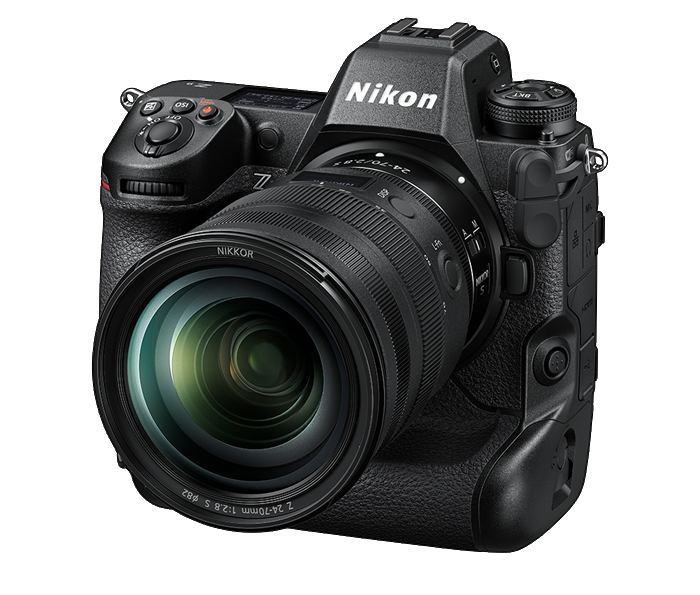
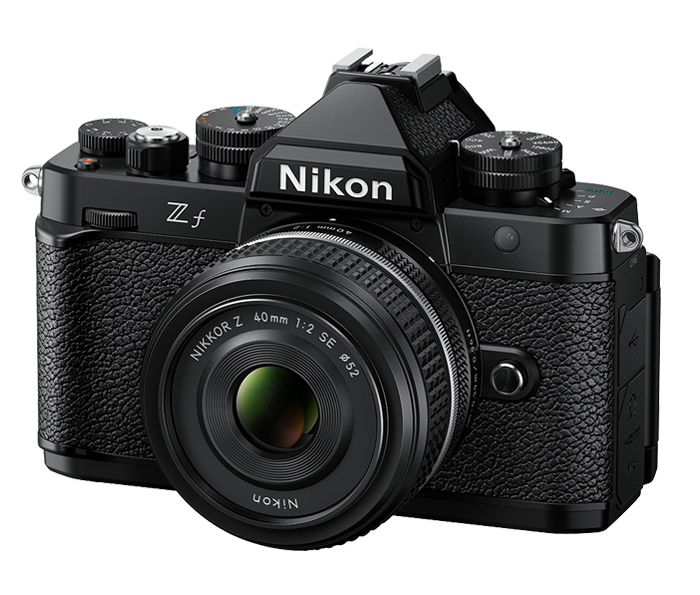
The Nikon Z9 and Nikon Zf are two prominent offerings in Nikon's mirrorless camera lineup, each tailored for different types of photographers. While the Z9 is a high-end flagship model that targets professional photographers and videographers seeking top-tier performance, the Zf is aimed at enthusiasts who want a blend of vintage aesthetics and modern technology at a more accessible price point. The Z9 boasts superior specifications, while the Zf appeals with its lightweight design and advanced features at a reduced cost. Understanding their key differentiators helps buyers, whether shooting high-end sports or capturing everyday moments, decide which model aligns best with their needs.
Specifications Comparison
Detailed Comparison
Image Quality
Both the Nikon Z9 and Zf feature a full-frame sensor, providing excellent image quality. The Z9, with its impressive 46-megapixel resolution, captures incredibly detailed images which are invaluable for large prints and extensive cropping. In contrast, the Zf's 25-megapixel resolution still offers superb image quality for everyday photography and is likely sufficient for most users, especially for sharing online or printing up to larger sizes. Both cameras perform exceptionally well in varying light conditions, but the Z9's higher megapixel count allows it to maintain image sharpness and detail in professional settings.
The Z9 also has superior low-light performance due to its advanced sensor technology, which translates into less noise at higher ISO settings compared to the Zf. This feature can be crucial for event and wedding photographers who often work in challenging lighting conditions. However, the Zf does provide excellent color science and pleasing skin tones, making it a great choice for portrait photography. Therefore, while the Z9 excels in resolution and low-light performance, the Zf remains highly competitive in color rendition and quality for less demanding scenarios.
Autofocus System
The autofocus system is one of the most critical aspects for both stills and video capture. The Nikon Z9 offers a staggering 493 autofocus points, providing accurate and fast focusing even in complex scenes. Its advanced algorithms and real-time tracking capability make it an excellent tool for wildlife and sports photography, where precision is crucial as fast-moving subjects are common. Additionally, the Z9 features eye detection for humans and animals, enhancing its usability for portrait and wildlife photography alike.
On the other hand, the Zf has a more straightforward autofocus system with 273 points. While this is still competent for typical photography, it may lag behind in more rigorous settings where maximum tracking accuracy is needed. The addition of phase detection and contrast-detection in the Zf ensures decent performance but lacks the advanced complexities of the Z9. Thus, for photographers who need the utmost in autofocus performance, the Z9 clearly stands out as the winner in this category.
Video Capabilities
When it comes to video features, the Nikon Z9 shines with 4K recording up to 120 frames per second, offering professional-level video quality with rich detail and minimal rolling shutter effect, thanks to its global shutter. This camera is suitable for high-end videography, including cinematic productions, enabling users to create stunning slow-motion footage. Furthermore, the Z9 supports 8K video, making it a powerhouse for future-proofing video projects.
The Zf, while still capable, supports 4K video resolution up to 60 frames per second. While this is sufficient for many users and can still produce high-quality footage, it does not match the performance of the Z9 in terms of slow-motion capabilities or the potential for higher resolution filming. Thus, for users whose primary focus is on video production, the Z9's extensive features make it the leading choice in this category.
Build & Ergonomics
In terms of build quality, the Nikon Z9 is created with a robust, weather-sealed body designed to withstand harsh conditions, making it well-suited for outdoor and professional use. Its larger size and weight (1340 g) provide a more substantial grip and enhance stability for longer shooting sessions, which many professionals appreciate. The Z9 also features an advanced electronic viewfinder, which allows for a high refresh rate and minimal lag, critical for action photography.
Conversely, the Zf is considerably lighter (710 g) and features a more compact design, which may appeal to travel photographers or those looking for a more portable solution without sacrificing too much functionality. The Zf also maintains an excellent ergonomic design, with controls and dials that make it intuitive for users who favor a traditional camera experience. While both cameras are designed with user experience in mind, the Z9 is more suited for rigorous use, while the Zf stands out for portability and comfortable handling.
Battery & Storage
Battery life can be a significant factor for users who shoot extensively. The Nikon Z9 boasts a robust battery life, capable of capturing approximately 740 shots on a single charge, which is advantageous for long events and shoots where recharging time is limited. The Z9 also supports dual-card slots that handle high-speed CFexpress and SD cards, accommodating the high data throughput required for its advanced video and image capabilities.
Meanwhile, the Zf has a lower battery capacity, offering about 380 shots per charge. Although it's still reasonable, professional users might find this limiting during extensive shoots. The Zf also supports dual SD card slots, which while sufficient for most users, does not reach the data handling performance of the Z9. This capability gives the Z9 an edge for professional photographers who prioritize endurance during long assignments.
Value for Money
Value is highly subjective but important when comparing these two cameras. The Nikon Zf is priced significantly lower at $1999, which makes it an attractive option for photography enthusiasts and semi-professionals who desire a full-frame camera experience without the more serious investment. It offers great features and image quality, making it a sound choice for many.
However, the Nikon Z9, with its hefty price tag of $5500, caters to professionals who need high performance and superior reliability, which can justify the cost when the right features are required. For users whose work allows them to fully utilize the Z9's capabilities, the investment can lead to higher quality outcomes and enhanced workflow.
Therefore, while the Zf provides excellent value for the investment, users seeking maximum professional performance and expanded features may find the Z9 to be worth the higher cost, ultimately making the Zf the better choice for those on a budget.
Our Verdict
Overall, the Nikon Z9 outshines the Zf in areas crucial for professional work, including image quality, autofocus capabilities, video performance, and overall build quality. The Zf serves well as an excellent choice for hobbyists and enthusiasts needing a capable camera at a reasonable price point. Those who prioritize serious photography and videography, especially in challenging conditions, will benefit the most from choosing the Z9 due to its extensive features and robust performance. However, the Zf remains a commendable option for those who wish to experience full-frame photography without financial strain.
Nikon Z9
Nikon Zf
Also Compare
Frequently Asked Questions
Is the higher price of the Z9 justified?
Yes, the Nikon Z9's price reflects its advanced features, including superior autofocus, higher resolution, and professional-grade video capabilities that justify the investment for serious photographers and videographers.
Which camera is better for beginners?
The Nikon Zf, with its lower price and user-friendly interface, is more suitable for beginners looking to explore full-frame photography without overwhelming features.
Can the Zf handle professional work?
While the Zf can handle general professional work, especially for portraits and casual video, its performance may not match the demands of high-speed or high-resolution tasks as effectively as the Z9.
How do the video capabilities compare?
The Z9 offers superior video capabilities with 4K 120p and 8K recording, while the Zf supports 4K up to 60p, making Z9 more suitable for professional video production.
What about lens compatibility?
Both cameras use the Nikon Z mount, providing access to a broad and growing range of lenses compatible with both models, hence, potential buyers need not worry about lens ecosystems.