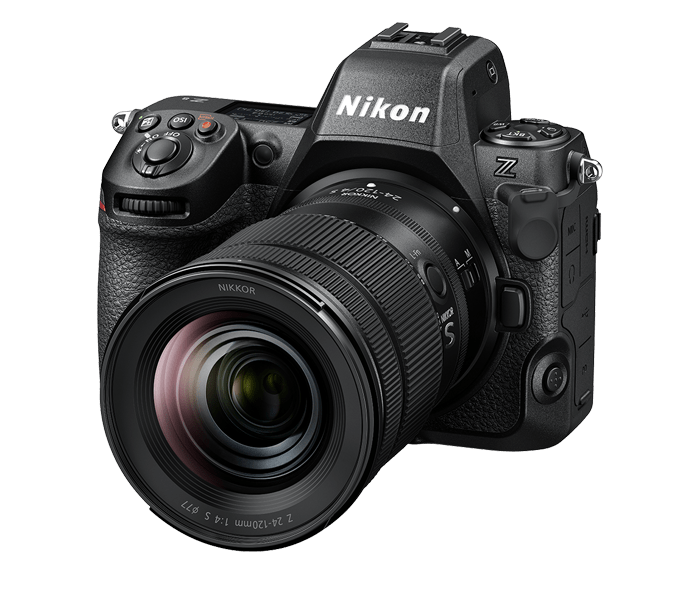

The Nikon Z8 and Sony A7S III are two high-performance full-frame mirrorless cameras that are frequently compared due to their advanced capabilities and appeal to both professional photographers and videographers. Both models feature cutting-edge technologies, strong low-light performance, and robust build quality, making them top choices for serious content creators. Those who might be torn between these two cameras typically prioritize either high-resolution images or exceptional video performance, which both brands deliver in different ways. As they cater to slightly different needs, understanding the key differentiators can help potential buyers make informed decisions.
Specifications Comparison
Detailed Comparison
Image Quality
The Nikon Z8 boasts a notable 46-megapixel resolution, significantly outpacing the Sony A7S III's 12-megapixel offering. This higher resolution is beneficial for photographers needing large prints or extensive cropping capabilities without loss of detail. The Z8's sensor dimensions are slightly larger, contributing to enhanced image quality and sharpness. On the other hand, the A7S III, with its lower resolution, is specifically designed to excel in low-light conditions with its expanded ISO range of 40-409600, making it an ideal choice for night photography and events. While the Z8 can deliver stunning image quality in daylight and bright conditions, the A7S III's sensor design allows for cleaner images in darkness.
In real-world testing, both cameras perform admirably, but the Z8's larger file sizes may require more storage and processing power, which could impact workflow efficiency. The dynamic range of both cameras is commendable, yet the high-resolution Z8 can capture finer details in bright highlights and dark shadows. Ultimately, the choice will depend on whether one values ultra-high resolution or superb low-light capabilities.
Autofocus System
In terms of autofocus capabilities, the Sony A7S III offers a superior autofocus system with 759 phase-detection points, compared to the 493 points available on the Nikon Z8. This allows the A7S III to achieve quicker subject acquisition and tracking, especially in dynamic shooting environments, making it well-suited for fast-moving subjects like sports or wildlife. Moreover, its advanced real-time tracking and Eye AF technology help in capturing sharp images of people and animals alike.
The Nikon Z8, while it has a less extensive number of AF points, does incorporate sophisticated autofocus algorithms that deliver impressive accuracy and speed. Its performance in both still photography and video is commendable, but it doesn't quite match the precision of the A7S III in high-action scenarios. The Z8's focus can be slightly more dependable in good lighting conditions but struggles a bit more in challenging environments compared to Sony's faster and more adaptive AF system.
Video Capabilities
Both the Nikon Z8 and Sony A7S III support 4K video recording at up to 120 frames per second, making them appealing for high-end video production. However, the A7S III has long been praised for its video-centric features, such as its extensive ISO range and 10-bit 4:2:2 internal recording capabilities. It provides impressive video quality with superior low-light performance, which is critical for videographers.
The Z8 also offers excellent video performance, with the ability to handle high dynamic range and 10-bit recording, but it is optimized more for still photography. The A7S III stands out in the video realm due to its longer battery life during video shoots, making it more reliable for long filming sessions. Overall, users focused mainly on video production will find the A7S III better suited for their needs, while the Z8 is no slouch.
Build & Ergonomics
In terms of construction, both the Nikon Z8 and Sony A7S III offer weather-sealed bodies designed to withstand harsh conditions, appealing to outdoor photographers. The Z8 is slightly bulkier and heavier at 910g, compared to the A7S III's 699g, which may impact portability for users who prefer a lighter setup.
The Z8 features a larger grip that may feel more comfortable in hand for extended shooting sessions, while the A7S III offers a more compact design without compromising ergonomics. Both cameras are equipped with electronic viewfinders, providing sharp, bright viewing experiences, but the Z8 features a higher resolution LCD display, contributing to better image review qualities in challenging lighting conditions. Users may find that both form factors serve their purpose well, so it largely depends on personal preference regarding size and grip.
Battery & Storage
When it comes to battery life, the Sony A7S III shines with an impressive 600 shots per charge compared to the Nikon Z8's 340 shots. This longer battery life is advantageous for long shooting days or video production sessions, reducing the need to carry additional batteries.
Both cameras support dual card slots, enhancing storage flexibility, but the Z8's compatibility with CFexpress Type B cards allows for faster write speeds which can be crucial in high-burst shooting scenarios. This gives the Z8 an edge for those requiring quicker file transfers and buffer clearing during extensive shoots. However, if battery longevity is a priority, especially for videographers, the A7S III is the clear choice.
Value for Money
The Nikon Z8 is priced at $3999, while the Sony A7S III comes in slightly cheaper at $3499. When considering features, the Z8 offers substantially higher resolution and advanced capabilities, making it worthwhile for photographers seeking high-quality stills. The added value may justify the price increase for those who primarily focus on photography.
Conversely, the A7S III caters more to videographers, providing a robust set of video features at a lower price point. As a camera specifically tailored for video performance, it offers great value for budget-conscious buyers who prioritize low-light capabilities and autofocus. The price difference also might play a significant role in decision-making, especially for those on a budget.
Our Verdict
In conclusion, both the Nikon Z8 and Sony A7S III cater to distinct segments of the photography and videography market, making them each the best choice depending on individual preferences and requirements. The Z8 stands out for photographers who demand higher resolution and image quality, especially in well-lit environments, while the A7S III excels for videographers needing superior low-light capabilities and portability. Ultimately, each camera showcases top-tier performance in its niche, and potential buyers should evaluate their specific use cases to make the most informed decision.
Nikon Z8
Sony A7S III
Also Compare
Frequently Asked Questions
What is the main difference in sensor resolution between Nikon Z8 and Sony A7S III?
The Nikon Z8 features a 46-megapixel sensor, while the Sony A7S III has a 12-megapixel sensor, making the Z8 better for high-resolution images and cropping.
Which camera is better for video recording?
The Sony A7S III is better for video recording due to its exceptional low-light performance, 600 shot battery life, and advanced autofocus for video.
How do the autofocus systems compare?
The Sony A7S III offers 759 autofocus points, significantly more than the Nikon Z8's 493, making it better for fast-moving subjects.
Are both cameras weather-sealed?
Yes, both the Nikon Z8 and Sony A7S III feature weather-sealed bodies, suitable for outdoor shooting in challenging conditions.
Which camera is heavier?
The Nikon Z8 is heavier at 910g compared to the Sony A7S III's 699g, which may affect portability for some users.