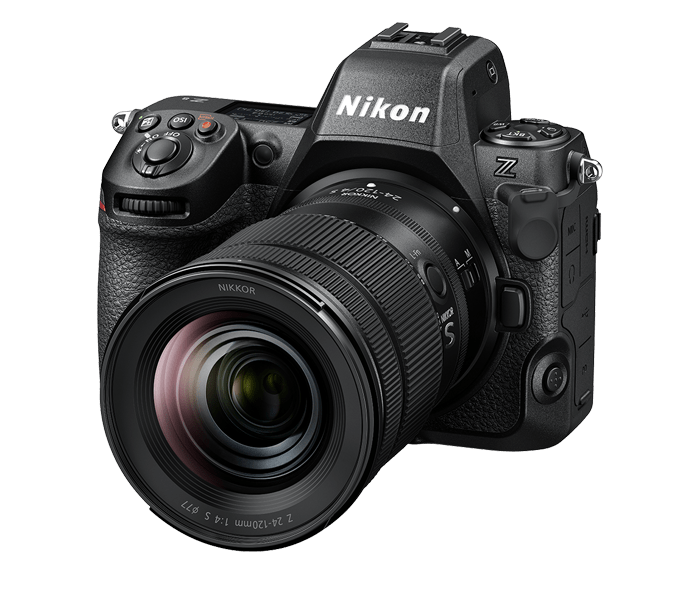
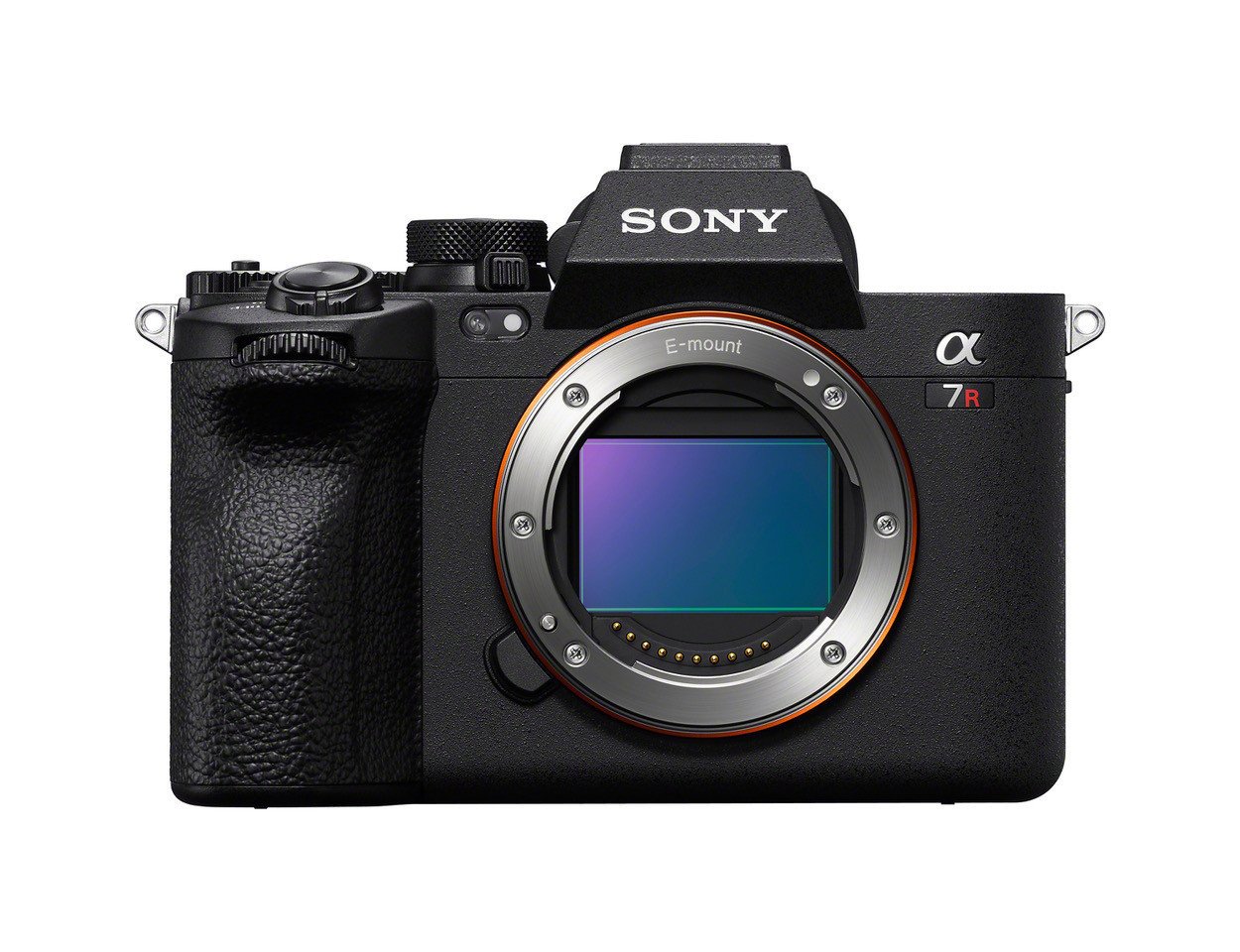
The Nikon Z8 and Sony A7R V are two of the most sought-after full-frame mirrorless cameras on the market, making them popular choices for professional photographers and serious enthusiasts alike. Each camera boasts impressive specifications and is designed to cater to a diverse range of photography styles, from landscape and portrait work to high-speed action and video production. As such, potential buyers often find themselves comparing these two models closely, weighing their features, performance metrics, and overall value for money.
The key differentiators between the Nikon Z8 and Sony A7R V lie in their image quality, autofocus capabilities, video specifications, and build ergonomics. While the Nikon Z8 flaunts a slightly faster shooting speed and enhanced stabilization, the Sony A7R V offers a higher resolution sensor, expanded ISO range, and better battery life. Thus, decisions on which camera to choose often center around specific user needs, preferences for brand ecosystems, and intended photographic applications.
Specifications Comparison
Detailed Comparison
Image Quality
In terms of image resolution, the Sony A7R V takes the lead with its 60 megapixel sensor compared to the Nikon Z8's 46 megapixels. This additional resolution provides more detail, making it preferable for landscape photographers and commercial studios where image fidelity is paramount. The larger pixel count of the A7R V can also offer more cropping flexibility and enhanced capabilities for large prints.
However, while pixel count is important, it is not the only determinant of image quality. The Z8 features a robust full-frame sensor that excels in dynamic range and low-light performance, especially at higher ISO settings. Although the A7R V has an extended ISO range up to 102,400, real-world performance often favors the Z8 for maintaining detail and reducing noise in challenging lighting conditions.
Ultimately, while the A7R V provides higher resolution, the Z8's performance in low-light scenarios and overall image character may appeal more to some photographers. Thus, photo quality could come down to both technical needs and personal preference.
Winner: b
Autofocus System
The autofocus capabilities are a decisive feature for both the Nikon Z8 and Sony A7R V. The A7R V features an impressive 693 autofocus points, which enhances its capability to track subjects accurately across the frame. This performance makes the camera particularly well-suited for dynamic subjects and fast-paced shooting.
In contrast, the Z8, with its 493 autofocus points, also performs effectively but does not quite match the level of coverage offered by its competitor. However, the Z8 still boasts advanced subject tracking and real-time recognition, thanks to powerful computational focus technologies. Its shooting speed meanwhile is significantly higher at 30 frames per second versus the A7R V's 10 fps, making it a great choice for sports or wildlife photographers.
In summary, while both autofocus systems are highly effective and reliable, the A7R V's more extensive autofocus point coverage may offer an edge in certain scenarios. The Z8's higher frame rate, however, does provide an advantage for capturing high-speed images.
Winner: a
Video Capabilities
When it comes to video specifications, the Nikon Z8 impresses with its ability to record 4K video at 120 frames per second (fps), which is ideal for high-quality slow-motion footage. This feature positions the Z8 as a strong contender for videographers who require versatility in their workflows.
On the other hand, while the A7R V can record 4K video, it is limited to 60 fps. This reduced frame rate makes it less suited for certain cinematic effects but is still effective for many standard video applications. Furthermore, the A7R V's video performance, including features like S-Log profiles for color grading, is highly regarded among content creators.
Although both cameras can produce excellent video quality, the Z8's advantage in maximum frame rate aligns better with professional filming needs. As video capabilities continue to be an important factor for many users, the Z8 takes this section.
Winner: a
Build & Ergonomics
Both the Nikon Z8 and Sony A7R V feature weather-sealed bodies, making them resilient against environmental factors, which is indispensable for outdoor photography. The size and weight of these cameras also play a substantial role in user experience.
The Z8 weighs in at 910 grams, making it heavier than the 723 grams of the A7R V. Although the Z8 offers a sturdier feel, the lighter design of the A7R V can be more comfortable for extended use, especially during long events or travel shoots. The dimensions are also notable, with the Z8 being slightly larger in volume.
Both cameras' design incorporates ergonomic handles that suit extended shooting sessions; however, the Z8's larger grip might cater better to users with bigger hands. Ultimately, while both cameras are rugged and reliable, the choice may often come down to user comfort and the potential weight considerations in the field.
Winner: b
Battery & Storage
Battery life can significantly impact shooting experience, and here, the Sony A7R V excels with a rated capacity to shoot up to 530 images, compared to the Z8's 340 shots. This advantage means that A7R V users might spend less time managing battery changes during long shoots.
Both cameras utilize XQD/CFexpress Type B cards for storage, which allows for high-speed data transfer, essential for handling large files created by both sensors. The Z8's capabilities may push the limits of storage requirements, especially during high-speed shooting or video capture.
Beyond just battery life, storage performance is critical for quick review and workflow efficiency during post-production. While both offer similar types of storage, the nature of shoots may lead users to favor the A7R V for its superior battery longevity.
Winner: b
Value for Money
In terms of pricing, the Nikon Z8 and Sony A7R V are closely matched, with the Z8 priced at $3999 and the A7R V at $3900. The difference in cost may appear negligible, but it can impact buyer decisions based on which attributes are most beneficial for their specific needs.
For professionals engaged in high-resolution work and those utilizing extensive video features, the A7R V could be seen as offering better value given its higher megapixel count, extensive ISO performance, and excellent battery life. However, the Z8 offers faster burst rates and superior video capabilities that may justify its slightly higher price for action-oriented photographers.
Ultimately, value for money will vary depending on individual needs. Users prioritizing high resolution and battery life may lean towards the A7R V, while those keen on advanced video capabilities might find the Z8 a more compelling choice.
Winner: tie
Our Verdict
Overall, while both the Nikon Z8 and the Sony A7R V have their individual strengths, the Nikon Z8 edges ahead primarily due to its superior video capabilities and faster burst rate, making it an ideal choice for action-oriented photography and videography. On the other hand, the Sony A7R V's high resolution and excellent battery life appeal to those focused on studio or landscape photography. Depending on user priorities-whether they lean more towards high-speed shooting or high-resolution output-each camera is an excellent contender in its own right.
Nikon Z8
Sony A7R V
Also Compare
Frequently Asked Questions
How do these cameras compare for landscape photography?
For landscape photography, the Sony A7R V is a strong choice due to its 60MP sensor, providing stunning detail and cropping flexibility. However, the Nikon Z8 also excels with its dynamic range and low-light performance, making it suitable for various lighting conditions.
Which camera has better low-light performance?
The Nikon Z8 is generally regarded as having better performance in low-light situations, maintaining detail and limiting noise effectively even at higher ISO levels, compared to the A7R V.
Are both cameras suitable for videography?
Yes, both cameras can produce high-quality video. The Z8 has an advantage with 4K at 120fps, making it more suited for dynamic video work, while the A7R V is still capable, particularly in 4K at 60fps with great color profiles.
What are the major advantages of the Nikon Z8?
The Nikon Z8's major advantages include its high continuous shooting speed (30fps), better video capabilities with 4K 120fps, and robust low-light performance.
How important is weight when choosing between these models?
Weight is an essential consideration, especially for those who shoot for long periods. The A7R V is lighter, which may minimize fatigue during extended use, making it a more appealing option for travel or event photography.