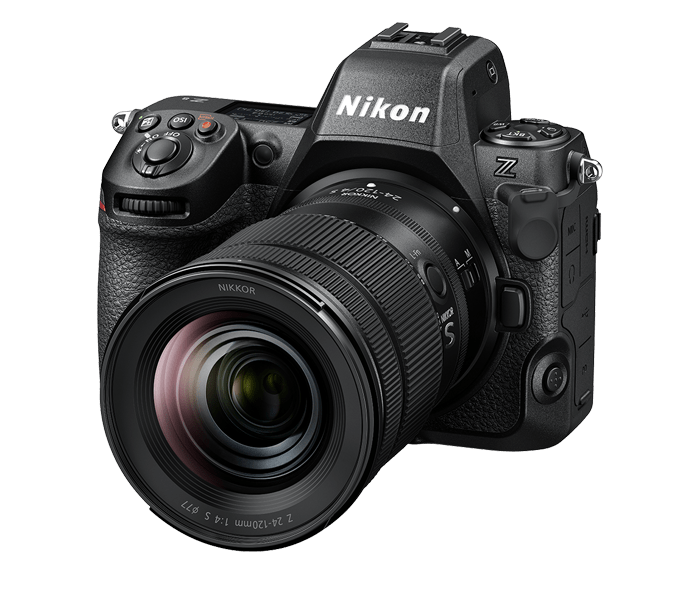
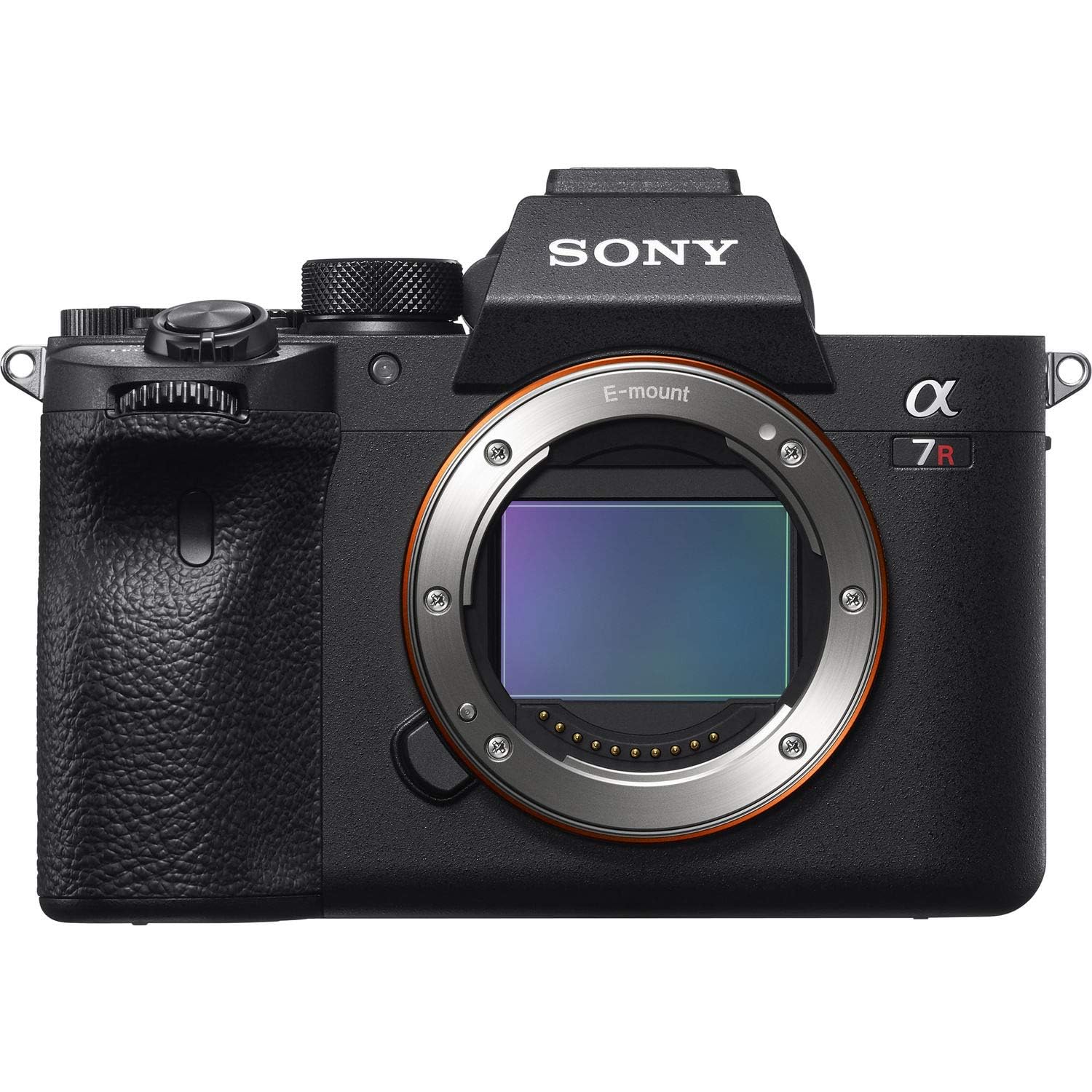
The Nikon Z8 and Sony A7R IV are two of the most highly regarded full-frame mirrorless cameras available, frequently compared by photography enthusiasts and professionals alike. Both models cater to a wide range of photographers-from portrait and landscape shooters to videographers-offering exceptional image quality and advanced features. While the Z8 is a newer release from 2023, showcasing the latest in technology, the A7R IV has established its reputation since its release in 2019, proving itself as a top choice for high-resolution shooting. Buyers often consider these models for their impressive specifications, which reflect their respective brand philosophies and technological advancements.
Specifications Comparison
Detailed Comparison
Image Quality
When evaluating image quality, the Sony A7R IV holds an edge with its impressive 61-megapixel sensor, compared to the 46-megapixel sensor of the Nikon Z8. This higher resolution allows for more detail, particularly valuable in landscapes or when cropping images. Additionally, the A7R IV's extended ISO range from 50 to 102800 provides versatility in low-light conditions, offering a smooth transition through the range with minimal noise. On the other hand, the Nikon Z8's sensor still performs admirably, producing stunning images with rich colors and dynamic range. The Z8 also benefits from newer imaging technologies, potentially leading to better color fidelity and noise reduction at higher ISO levels than its older counterpart. Nevertheless, those seeking the utmost in resolution and detail may find the A7R IV to be superior in this aspect.
Autofocus System
In terms of autofocus, the Nikon Z8 features a robust system with 493 focus points, outperforming the A7R IV's 567 points. However, the autofocus performance is not solely about the number of points; it also involves the speed and accuracy of those points. The Z8's advanced algorithms provide exceptionally quick focusing, especially in moving subjects, thanks to its high-speed sensor. The A7R IV does deliver reliable autofocus performance, but it may struggle slightly compared to the Z8 in challenging light situations. Photographers seeking fast and decisive tracking of subjects, including wildlife or sports, would likely prefer the Z8 for its slightly more evolved autofocus capabilities.
Video Capabilities
The Nikon Z8 excels in video capabilities, offering 4K recording at up to 120 frames per second, making it a top choice for video creators looking for high-frame-rate options that allow for smooth slow-motion playback. In contrast, the Sony A7R IV is limited to 4K at 30 fps, which, while still capable, does not reach the same highs as the Z8. Additionally, the Z8 supports advanced video formats and enhanced color profiles that professional filmmakers may find beneficial for post-production workflows. Overall, for those prioritizing video features, the Z8 clearly stands out due to its versatility and superior video capabilities.
Build & Ergonomics
Both the Nikon Z8 and Sony A7R IV are weather-sealed to withstand challenging environments, appealing to outdoor photographers. However, the Z8 is bulkier and heavier at 910 grams compared to the A7R IV's 665 grams, which might factor into portability considerations. The Z8's larger grip design could provide a more comfortable handling experience, particularly with larger lenses. Conversely, the A7R IV, being lighter and more compact, might be more manageable for prolonged shooting sessions. Each design has its followers, and the choice may come down to personal preference in balance and weight during use in the field.
Battery & Storage
The battery life of the A7R IV is commendable at approximately 670 shots, significantly outpacing the Z8's 340 shots. This extended battery life is crucial for photographers on long shoots where changing batteries frequently can be inconvenient. Both cameras use robust memory card systems, but the Z8 supports dual slots for CFexpress and SD cards, while the A7R IV uses dual SD card slots. This could mean faster write speeds for the Z8 when using CFexpress cards, particularly important for high-resolution image bursts and video recording, but the overall better battery performance of the A7R IV gives it a strong point in favor of reliability during extended shooting sessions.
Value for Money
At a price point of $3999, the Nikon Z8 offers advanced features that are appealing for those who need cutting-edge technology and superior video capabilities, potentially justifying its higher cost. The Sony A7R IV, priced at $3500, presents a slightly better value, especially for those primarily focused on high-resolution photography rather than video. While the Z8 has much to offer, the A7R IV's lower price and proven performance in still photography make it a compelling option for many photographers. Ultimately, the choice may depend on the specific needs of the buyer-those needing the latest advancements may find the Z8 worth the investment, while those primarily focused on stills might lean toward the A7R IV for cost-effectiveness.
Our Verdict
Overall, the Nikon Z8 emerges as the winner in this comparison, excelling in several key areas such as video capabilities and autofocus performance. It suits both professionals and serious hobbyists who require cutting-edge technology and flexibility in various environments. However, the Sony A7R IV's exceptional resolution, longer battery life, and lower price point make it a strong contender, particularly appealing to photographers who prioritize high-quality stills without the need for intensive video features. Hence, the best choice hinges on the buyer's primary focus-if high-resolution stills are a priority, the A7R IV is a strong selection; for a balanced approach between stills and video, the Z8 takes the lead.
Nikon Z8
Sony A7R IV
Also Compare
Frequently Asked Questions
Which camera has better low-light performance?
Both cameras perform well in low-light situations, but the Sony A7R IV benefits from its broader ISO range, expanding up to 102800, giving it a slight advantage in extreme low-light conditions.
Is the Nikon Z8 worth the higher price?
If you require advanced video features and faster autofocus performance, the Nikon Z8 justifies its higher price for those specific use cases. However, for primarily still photography, the Sony A7R IV offers substantial quality at a better price.
Which camera is lighter for travel?
The Sony A7R IV is significantly lighter at 665 grams compared to the Nikon Z8's 910 grams, making the A7R IV a better option for travel and extended outdoor photography sessions.
Can the Nikon Z8 capture high-speed action effectively?
Yes, the Nikon Z8 can shoot up to 30 frames per second, making it an excellent choice for capturing high-speed action, surpassing the A7R IV's 10 fps.
Which camera is better for video production?
The Nikon Z8 is superior for video production, with the ability to record 4K at 120 fps, making it ideal for professional videography and content creation.