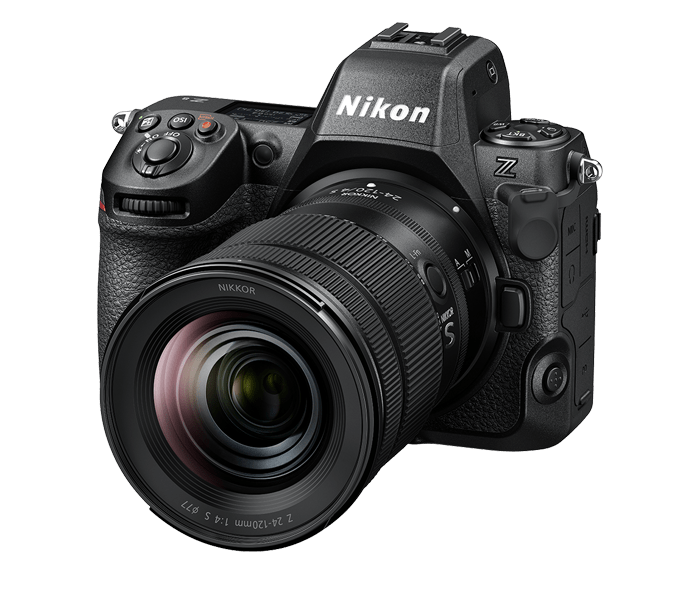
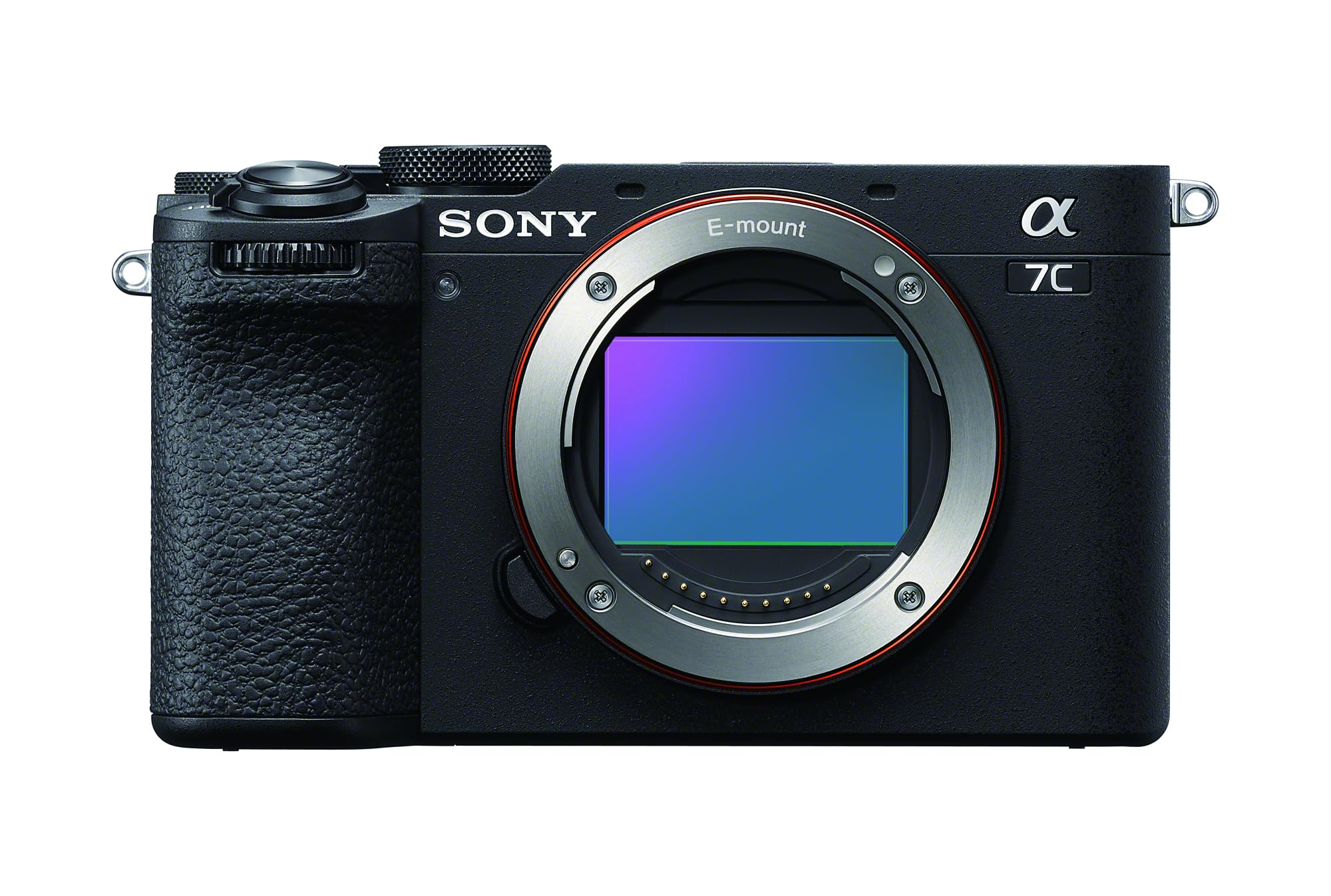
The Nikon Z8 and the Sony A7C II are two compelling full-frame mirrorless cameras that are often compared by photographers and videographers alike due to their blend of performance and features. Each camera offers unique strengths that cater to different audiences-be it professional photographers, hobbyists, or video content creators. Key differentiators such as sensor resolution, autofocus capabilities, video specifications, and build quality make the choice between these two cameras particularly nuanced.
Specifications Comparison
Detailed Comparison
Image Quality
In terms of image quality, the Nikon Z8 boasts a remarkable 46 megapixels, allowing for larger prints and more detailed crops. The full-frame sensor measures 35.9 x 23.9 mm, contributing to better dynamic range and low-light performance. This makes the Z8 ideal for high-resolution landscape and commercial photography where detail is paramount. On the other hand, the Sony A7C II features a 33-megapixel sensor (35.6 x 23.8 mm), which is still capable of producing stunning images but falls short when compared to the Z8. While the A7C II performs well in various lighting conditions thanks to its extensive ISO range from 100 to 51200 (expandable to 50-204800), it cannot match the sheer resolution of the Nikon. Thus, for photographers who need the highest quality and resolution, the Nikon Z8 is the clear winner. However, depending on the shooting scenario, such as portrait and event photography, the Sony A7C II could suffice for many users, especially those who prioritize portability and convenience.
Autofocus System
The autofocus system is another critical aspect where these two cameras differ. The Nikon Z8 has 493 autofocus points, which can cover a vast area of the frame, allowing for impressive tracking and subject detection capabilities. This is particularly beneficial for sports and wildlife photography, where fast-moving subjects require reliable autofocus performance. Conversely, the Sony A7C II has an edge in terms of the number of autofocus points, boasting 759 phase detection points. This enables rapid focus acquisition and exceptional subject tracking, especially in complicated compositions or low-light situations. The A7C II's superior face and eye detection capabilities can be advantageous for portrait and street photographers. While both cameras provide excellent autofocus performance, the greater number of autofocus points in the Sony A7C II marginally tips the scale in its favor, especially for users prioritizing swift and precise autofocus in dynamic environments.
Video Capabilities
When it comes to video capabilities, the Nikon Z8 excels with its ability to shoot 4K video at a staggering 120 frames per second, making it ideal for high-action scenes and slow-motion footage. This is particularly appealing for videographers looking to create dynamic and engaging content with smooth motion. The Sony A7C II, while also a competent video camera, limits its maximum 4K recording to 60 frames per second. Still, it offers versatile video features and excellent image quality, making it suitable for many types of video content. For those who prioritize video performance, especially for high-speed or slow-motion filming, the Nikon Z8 takes the lead, whereas the A7C II is better suited for less demanding video applications or for those who may not require the highest frame rates.
Build & Ergonomics
The Nikon Z8 is relatively larger and heavier, weighing in at 910 grams and measuring 144 x 119 x 83 mm. This heavier build can stabilize the camera while shooting, but it also means a heftier experience overall. Additionally, the Z8 is fully weather-sealed, providing added protection against the elements, which can be crucial for outdoor photographers. On the other hand, the Sony A7C II is much more compact, at 514 grams and measuring 124 x 71 x 63 mm. Its lightweight and portable design make it attractive for travel and street photography. It is also weather-sealed, ensuring durability, although some may find its grip less satisfying compared to the Z8. In terms of ergonomics, it ultimately boils down to user preferences-whether one prioritizes portability and lightweight characteristics or a solid, heavyweight feel with added stability.
Battery & Storage
Evaluating battery life, the Sony A7C II shines with an impressive 540 shots per charge, making it advantageous for longer shooting sessions without frequent battery changes. This is particularly beneficial for event and wedding photographers who must capture moments throughout the day. In contrast, the Nikon Z8 has a respectable battery life of 340 shots, which while decent, may require users to carry additional batteries for longer photography events or shoots. Both cameras use similar types of SD cards for storage, thereby offering flexibility for storage solutions. For those requiring extended shooting times, particularly in less accessible areas, the A7C II's longer battery life provides a substantive advantage.
Value for Money
The Nikon Z8 is priced at around $3999, which reflects its high-end specifications and features, including the top-tier sensor resolution and advanced video capabilities. For professional photographers and videographers who require the best quality and performance, this cost can be justified. In comparison, the Sony A7C II, priced at approximately $2200, provides an appealing entry point for enthusiasts and semi-professionals. It maintains exceptional performance while offering a more budget-friendly option, making it an attractive choice for those who may not need the absolute best specifications. Ultimately, if one is focused on the highest quality and is willing to pay a premium, the Z8 is the better choice. However, for users looking for a strong performance at a more reasonable price, the A7C II offers solid value for money.
Our Verdict
In conclusion, the Nikon Z8 wins in terms of image quality, video capabilities, and build quality, making it a superior choice for professionals demanding the best in these areas. However, the Sony A7C II takes the lead with autofocus performance, battery life, and value for money, appealing to a broader range of photographers, especially those who prioritize portability and cost-effectiveness. Depending on your specific needs and budget, either camera can be an excellent choice depending on the factors most important in your photography or videography endeavors.
Nikon Z8
Sony A7C II
Also Compare
Frequently Asked Questions
Which camera is better for professional photography?
If high resolution and advanced video features are critical to you, the Nikon Z8 is likely the better choice. Its 46MP sensor and 4K 120p video capability cater to professional needs.
Is the Sony A7C II good for vlogging?
Yes, the Sony A7C II is a great option for vlogging with its compact design, decent battery life, and good autofocus performance. It's suitable for everyday use and travel.
How do these cameras perform in low light?
Both cameras perform well in low light due to their full-frame sensors, but the Z8's higher megapixel count may offer better detail in low-light conditions. The A7C II has an extended ISO range that helps in various scenarios.
Can I use Nikon lenses on the Z8?
Yes, you can use Nikon Z mount lenses specifically designed for the Z8. Adapters are also available for F-mount lenses, though performance may vary.
Which camera is lighter for travel?
The Sony A7C II is significantly lighter and more compact, making it a more convenient option for travelers or those who prefer minimal gear.