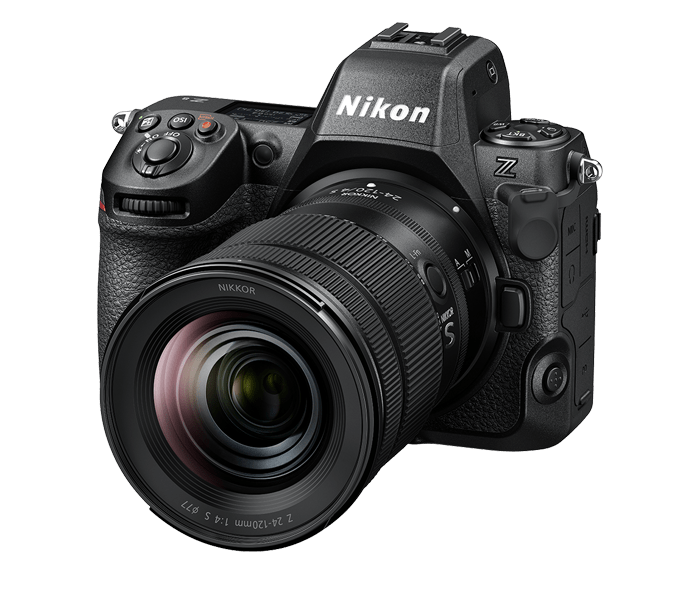
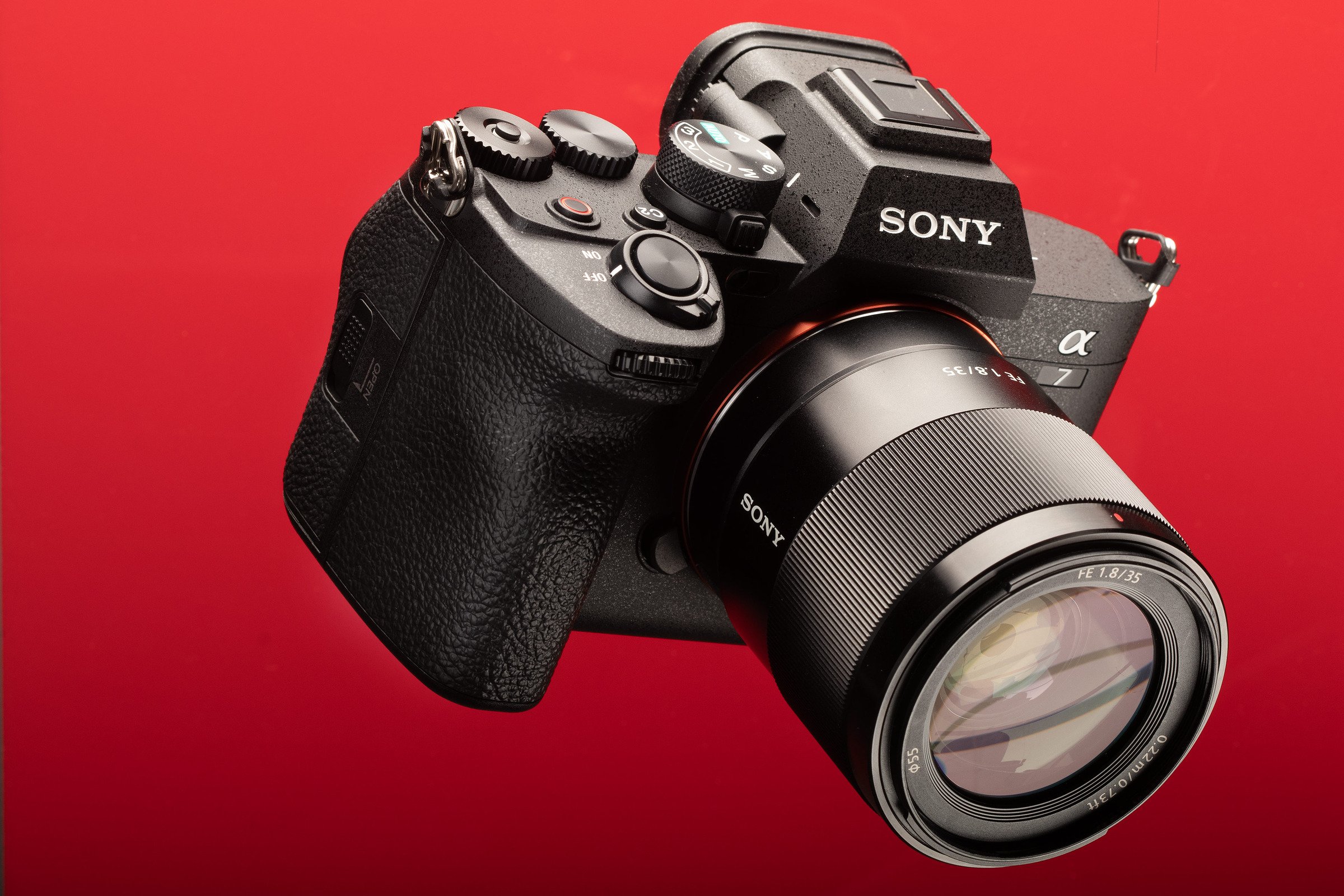
The Nikon Z8 and Sony A7 IV are two full-frame mirrorless cameras that stand out in the market for different reasons. Photographers and videographers might find themselves choosing between these two models due to their impressive specifications, advanced capabilities, and performance suited for various scenarios. While the Nikon Z8 boasts higher resolution and faster frame rates, the Sony A7 IV offers a versatile ISO performance and greater battery longevity-two key factors that can greatly influence a user's decision.
Both cameras are designed for different user preferences and photography styles. The Z8, with its 46-megapixel sensor, targets professionals focused on high-resolution images and swift shooting. In contrast, the A7 IV, with its established track record, offers a balance between quality and usability. Future owners would do well to consider factors like budget, intended use-whether it's portraiture, sports photography, or video production-and the specific features that cater to their needs.
Specifications Comparison
Detailed Comparison
Image Quality
When it comes to image quality, the Nikon Z8 excels with its impressive 46 megapixels compared to the Sony A7 IV's 33 megapixels. This higher resolution allows the Z8 to capture finer details, which is particularly beneficial for landscape and studio photographers who might need to crop images without losing clarity. The Z8 also features a larger sensor size, though both cameras are full-frame, which may contribute to a slightly better dynamic range in certain conditions.
On the other hand, the Sony A7 IV's sensor provides excellent image quality, especially in high ISO scenarios, thanks to its effective noise control. The A7 IV's ISO range extends up to 204800, compared to the Z8's absence of a specified max ISO, which can be a decisive factor for those shooting in low-light environments. Processing also plays a role: Sony's BIONZ XR engine delivers fantastic color rendering and skin tones, which is an essential factor for portrait photographers.
In practical terms, both cameras perform admirably in delivering high-quality images, but the Z8's higher resolution gives it a slight edge in detail retention for expansive prints or cropping needs.
Autofocus System
Autofocus capabilities are crucial for any modern camera, especially for capturing fast-moving subjects. The Nikon Z8 offers a robust autofocus system with 493 focus points, enabling high precision and coverage across the frame, which benefits both portrait and action photography. Additionally, its eye-detection and subject tracking features rank highly among competitors, ensuring that fast-moving subjects are kept in sharp focus.
Conversely, the Sony A7 IV features a staggering 759 autofocus points, which provides even greater precision and adaptability, especially in challenging shooting conditions. The A7 IV's sophisticated AI-focus functions, including real-time eye tracking for humans and animals, make it a strong candidate for wildlife and sports photography.
While the Nikon Z8 performs remarkably well, the Sony A7 IV's more extensive and versatile autofocus system edges it slightly ahead in various shooting scenarios, particularly for dynamic subjects.
Video Capabilities
For videographers, the Nikon Z8 takes the lead with its ability to shoot 4K at 120 frames per second, resulting in stunning slow-motion footage without sacrificing quality. This high frame rate can be invaluable for filmmakers looking to create engaging visual narratives. The Z8 also features full-frame 16-bit RAW video output over HDMI, appealing to professionals requiring uncompressed video files for high-end post-production.
In contrast, the Sony A7 IV captures 4K video at up to 60 frames per second, which is still impressive but may limit some more advanced videography techniques. The A7 IV does also provide 10-bit 4:2:2 recording, allowing for greater color gradation, which might sway many creators seeking flexibility in post-editing.
Overall, while the A7 IV provides excellent video functionality and quality, the Z8's ability to handle higher frame rates and uncompressed formats makes it the more appealing option for dedicated video professionals.
Build & Ergonomics
Both the Nikon Z8 and Sony A7 IV boast weather-sealed bodies, affirming their durability for shooting in various conditions. The Z8 has a larger form factor at 144 x 119 x 83 mm, aimed at those who prefer grip and stability, particularly during prolonged shooting. Its weight of 910 grams, while on the heavier side, provides a robust feel in hand, which many photographers value.
The Sony A7 IV, in contrast, is more compact and lighter at 659 grams and dimensions of 131 x 96 x 80 mm. This lightweight design makes it easier to carry for extended periods, appealing to travel photographers or those who frequently hike into shooting locations.
Ultimately, the decision comes down to personal preference in handling. While the Z8 offers a more substantial grip for added control, the A7 IV's portability provides an attractive advantage for frequent travelers.
Battery & Storage
In terms of battery life, the Sony A7 IV shines with its capacity to shoot approximately 580 shots on a single charge, significant for long shooting days without interruptions. This is complemented by the fact that the A7 IV can utilize dual card slots for both CFexpress Type A and SD UHS-II cards, offering versatility in storage options.
The Nikon Z8 falls behind with a battery life estimated at about 340 shots, which is still acceptable but may require users to have spare batteries on hand for extended sessions. The Z8 also supports dual card slots but only utilizes XQD or CFexpress Type B cards, which can be more costly.
Given that battery life is often crucial for outdoor photographers or those in event situations, the Sony A7 IV takes the win in this aspect, as it allows users to spend more time shooting and less time worrying about power management.
Value for Money
The Nikon Z8 comes with a premium price tag of $3999, which reflects its advanced features and high-resolution sensor. It aims at professionals willing to invest more for superior image quality and performance under challenging conditions. For serious photographers and filmmakers, this camera can justify its price in terms of the value it delivers in terms of resolution and video capability.
On the other hand, the Sony A7 IV is priced at $2499, offering a blend of solid performance and impressive features at a more reasonable cost. It presents a strong value proposition, particularly for enthusiasts and hybrid shooters who do not require the highest resolutions but still want high-quality images and video.
Thus, the A7 IV stands out as a more budget-friendly option without sacrificing essential features, making it an ideal choice for those looking for great performance without the top-tier price point.
Our Verdict
Overall, the Sony A7 IV edges out the Nikon Z8 based on its autofocus capabilities, battery life, and value for money. While the Z8 excels in image quality and video frame rates, its higher price point may deter budget-conscious buyers. The A7 IV provides a well-rounded performance suitable for various photography styles, making it an attractive option for both hobbyists and professionals. However, for those prioritizing resolution and advanced video features, the Z8 remains a compelling choice.