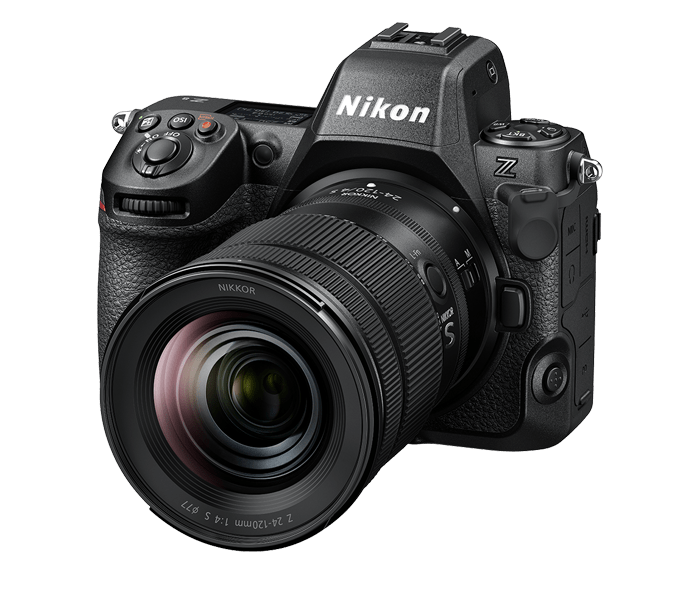
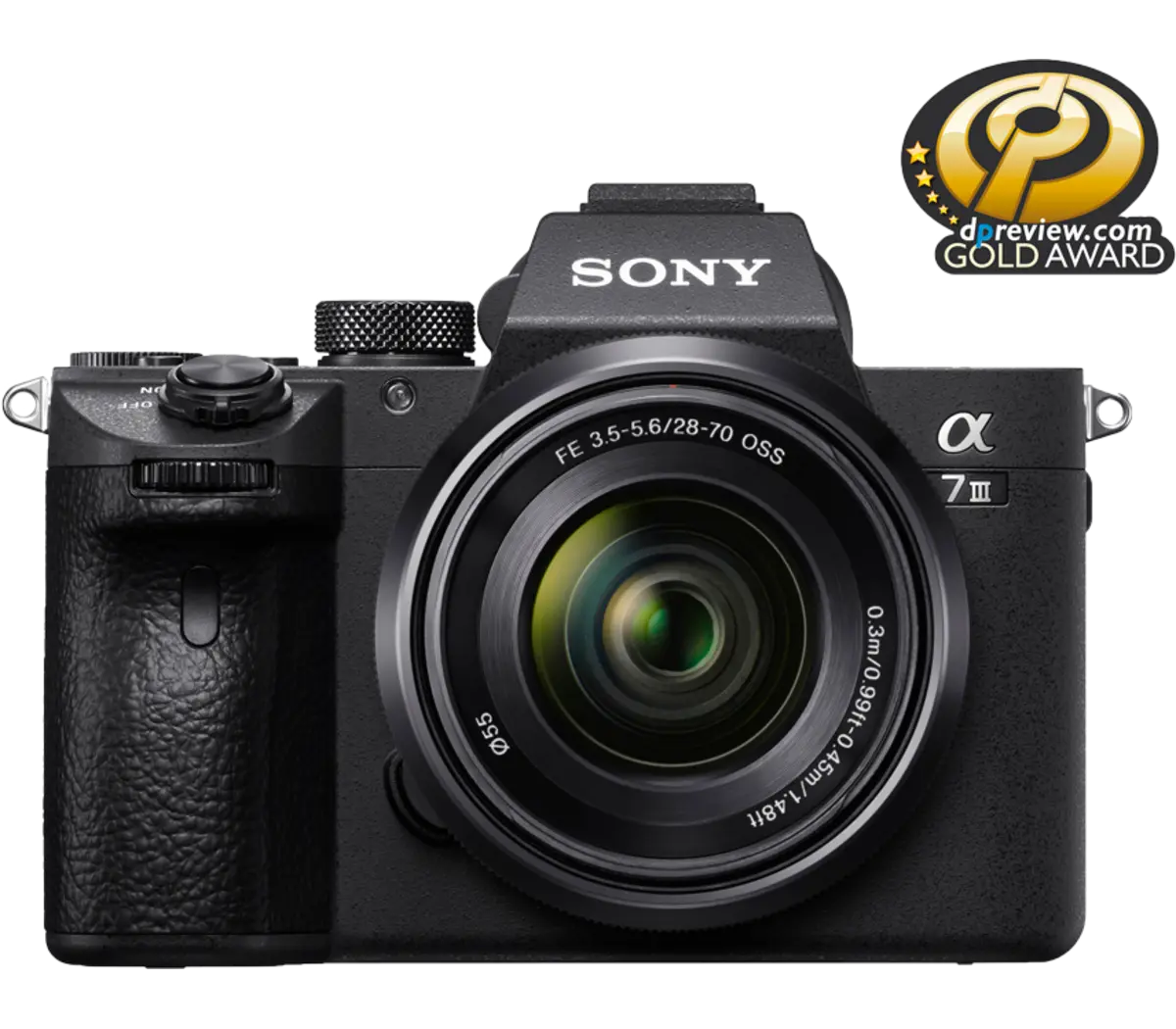
The Nikon Z8 and Sony A7 III are two of the most prominent full-frame mirrorless cameras on the market, frequently compared by enthusiasts and professionals looking for high-quality imaging capabilities. Both cameras cater to a wide audience, including photographers and videographers seeking versatility, superior performance, and reliability. The Z8, released in 2023, is positioned as a flagship model with advanced features, while the A7 III, which debuted in 2018, has become a benchmark for affordability and quality in the mirrorless segment.
Key differentiators between these two models lie in their sensor resolution, autofocus capabilities, video specifications, and overall build quality. The Nikon Z8 boasts higher megapixels and advanced video features, making it an exciting choice for those focused on high-resolution imagery and video work. Conversely, the Sony A7 III offers a well-rounded performance package with excellent battery life and a proven track record, especially at its lower price point. Choosing between the two can hinge on specific needs in image quality, autofocus performance, and budget constraints.
Specifications Comparison
Detailed Comparison
Image Quality
Image quality is often determined by sensor resolution and image processing. The Nikon Z8 features a formidable 46-megapixel sensor, which enables greater detail and larger print options, particularly beneficial for landscape and studio photographers. This high resolution also allows for more versatility in cropping while retaining image detail.
On the other hand, the Sony A7 III delivers 24 megapixels, which is sufficient for most applications, including portraits and general photography. While the lower resolution may not deliver as much detail as the Z8, it performs excellently in high-ISO scenarios, producing cleaner images in low light due to less pixel density. Both cameras feature full-frame sensors, but the Z8's higher megapixel count gives it an edge in scenarios where detail is paramount.
Overall, while both cameras offer excellent image quality, the Nikon Z8 wins in terms of resolution and detail retention. However, the Sony A7 III remains a solid option for those prioritizing low-light capabilities and a manageable file size for storage and post-processing.
Autofocus System
The autofocus system is a critical component for many photographers and videographers. The Nikon Z8 features an impressive 493 autofocus points, offering excellent coverage and performance for tracking subjects. This system benefits from Nikon's latest advancements in artificial intelligence for face and eye detection, ensuring accurate focusing on both human and animal subjects.
In contrast, the Sony A7 III incorporates 693 autofocus points, which is a standout feature in its class. This extensive point coverage leads to enhanced subject tracking and reliable performance in fast-paced shooting situations. The A7 III also implements Fast Hybrid AF, which combines phase detection with contrast detection for exceptional autofocus performance.
While both systems perform admirably, the greater number of autofocus points on the Sony A7 III provides it a slight advantage in tracking and accuracy during dynamic situations. Thus, the A7 III could be favored by sports and wildlife photographers who require a responsive focusing system.
Video Capabilities
For video capabilities, the Nikon Z8 excels with its ability to shoot 4K video at up to 120 frames per second, making it highly suitable for high-quality slow-motion footage. Its advanced video features, including ProRes recording, offer filmmakers a robust platform for professional work. The 6-stop in-body stabilization further enhances its usability during handheld shooting, reducing unwanted camera shake.
Conversely, the Sony A7 III can shoot 4K video but is limited to 30 frames per second. While it still provides high-quality footage, it lacks the Z8's advanced video features. The 5-stop in-body stabilization is competent but does not match the performance of the Z8, particularly in challenging shooting scenarios.
In conclusion, if video is a primary focus, the Nikon Z8 clearly leads the field, offering higher frame rates, enhanced stabilization, and more robust recording options, making it the choice for serious videographers.
Build & Ergonomics
In terms of build quality, both cameras are weather-sealed, which is essential for outdoor shooting. However, the Nikon Z8 is slightly bulkier and heavier at 910 grams, compared to the lighter Sony A7 III at 650 grams. This difference may be a significant factor for those who prioritize portability.
The Nikon Z8's ergonomics are enhanced with a larger grip, making it comfortable for extended use, especially with heavier lenses. The Z8 also features a more advanced LCD screen with a higher resolution of 2,088,960 dots, providing a clearer view for image composition and playback.
While both cameras have electronic viewfinders, the Z8's larger size and additional features provide a more professional feeling and handling experience. However, this comes at the cost of increased weight. Therefore, those valuing a robust and ergonomically pleasant build may prefer the Z8, while those needing portability might lean toward the A7 III.
Battery & Storage
Battery performance is crucial for extended shooting sessions, and here, the Sony A7 III shines with a rated battery life of approximately 710 shots, significantly outlasting the Nikon Z8's 340 shots. This extended battery life can make a major difference for event shooters or travelers who may not have frequent access to charging.
In terms of storage, both cameras utilize dual card slots, providing flexibility for data storage and backup. The Z8's ability to handle faster storage options aligns well with its higher image and video resolutions, which is a consideration for those shooting in RAW or high-resolution video formats.
While the Nikon Z8 offers superior performance on the technical specifications front, in practical use, the Sony A7 III's battery longevity makes it preferable for those who require long shooting sessions without interruptions.
Value for Money
When considering value for money, the differences between these two cameras are stark. The Nikon Z8 is priced at around $3999, showcasing its premium features that cater to professional photographers and filmmakers who demand the best in image quality and video capabilities.
In contrast, the Sony A7 III is priced significantly lower at $2000, providing a well-rounded camera with superb performance at a much more accessible price. For entry-level and semi-professional users, the A7 III stands out as a top choice, delivering excellent features without breaking the bank.
Ultimately, the choice between the two will depend on specific needs. Professionals who require the latest technology and features may justify the Z8's pricing, while hobbyists or those just entering the full-frame market will find the A7 III's offering hard to beat.
Our Verdict
Overall, the Nikon Z8 emerges as the winner with its superior image quality, advanced video capabilities, and robust build, making it particularly appealing to professionals. However, the Sony A7 III provides significant strengths, particularly in battery life and value for budget-conscious photographers. The A7 III remains an excellent choice for those needing a capable, versatile camera at a fraction of the cost of the Z8, making it a formidable contender in the full-frame mirrorless market.
Nikon Z8
Sony A7 III
Also Compare
Frequently Asked Questions
Which camera is better for low-light photography?
Both cameras perform well in low light, but the Sony A7 III has the advantage due to its 24MP sensor, which results in less noise at high ISO settings. If low-light performance is crucial, A7 III is a solid choice.
Can I use my existing lenses with these cameras?
Lens compatibility depends on your current system. Nikon lenses will fit on the Z8, while Sony lenses are designed for the A7 III. Adapters exist, but using native lenses is recommended for optimal performance.
Is the Nikon Z8 worth the extra cost over the Sony A7 III?
For professionals seeking top-tier image quality, video capabilities, and robust build quality, the Z8 justifies its higher price. If you are a hobbyist or new to photography, the A7 III offers great value and performance.
How do these cameras compare for wildlife photography?
The Sony A7 III's higher autofocus point count may offer better tracking of moving subjects, but the Nikon Z8's advanced features and image quality may be more beneficial for serious wildlife photographers looking to capture high detail.
What advantages does the Nikon Z8 have for videographers?
The Nikon Z8 supports 4K 120fps video recording, features built-in stabilization, and offers advanced recording formats like ProRes, making it a superior option for videographers.