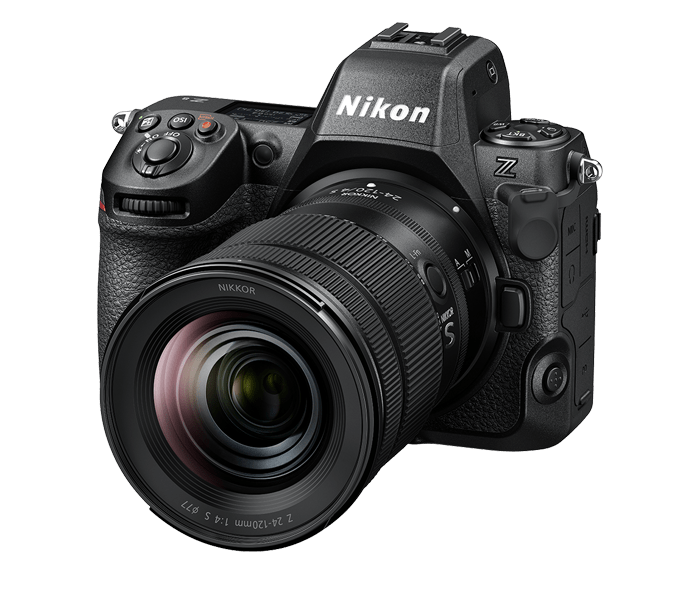
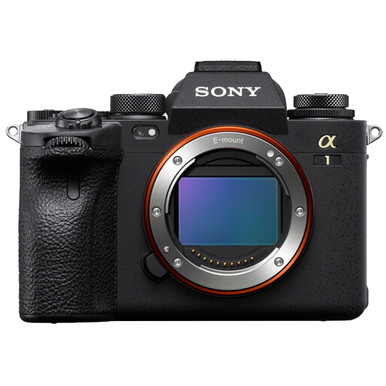
The Nikon Z8 and the Sony A1 are two flagship mirrorless cameras that represent the pinnacle of technology in their respective lineups. Both are commonly compared due to their impressive specifications and capabilities, making them appealing choices for professional photographers and videographers. Buyers may find themselves torn between these two options as they offer high performance in image quality, autofocus, and video capabilities, but differ significantly in other aspects such as battery life and pricing. Understanding the key differentiators between the Z8 and A1 can help potential owners make an informed decision based on their specific needs and shooting preferences.
Specifications Comparison
Detailed Comparison
Image Quality
Image quality is critical for serious photographers, and both the Nikon Z8 and Sony A1 excel in this area. The Nikon Z8 features a 46-megapixel full-frame sensor, which allows it to capture highly detailed images with excellent color reproduction. The slightly smaller sensor size in the Sony A1 (50 megapixels) also delivers remarkable detail and vibrant colors, but its extended ISO range (up to 102,400) provides better performance in low light scenarios. While both cameras produce stunning images, the Z8's sensor is optimally tuned for various lighting conditions, giving it a slight edge overall. Despite this, some photographers may prefer the slightly more resolved images from the A1 at high ISOs, making this aspect somewhat subjective based on personal style and usage scenarios.
Autofocus System
Autofocus is a vital feature for any camera, especially for those shooting fast-paced action or wildlife. The Z8 boasts 493 autofocus points, while the A1 surpasses this with an impressive 759 points. The advantages of the A1 become evident in tracking moving subjects, as the additional points can lock onto and follow subjects with great precision. Additionally, both systems offer advanced face and eye detection, which further enhances their usability in various scenarios. It's worth noting that while Z8's autofocus is highly capable, the sheer number of points in A1's system can provide a significant advantage for users whose shooting styles rely on fast and accurate focusing. In general, the improved autofocus tracking of the A1 makes it the winner in this category.
Video Capabilities
For videographers, the video capabilities of both the Nikon Z8 and Sony A1 are top-notch. Each camera can record in 4K up to 120 frames per second, allowing for exceptional slow-motion footage. However, the Z8 features in-body stabilization rated at 6 stops, compared to A1's 5.5 stops, offering a slight advantage to the Z8 in handheld shooting scenarios. Additionally, the Z8 is geared towards content creators, boasting a range of video-focused features. The A1 is known for its versatility and high-quality output as well, making it suitable for professional-grade video work. Ultimately, both cameras stand out in this field, but due to the benefits of stabilization and additional video features of the Z8, it takes the lead.
Build & Ergonomics
Build quality and ergonomics play an important role for photographers who spend long hours shooting. Both the Nikon Z8 and Sony A1 feature robust weather-sealed bodies designed for challenging environments. The Z8 measures slightly larger and is heavier at 910 grams, making it feel more substantial in hand compared to the A1's lighter weight of 737 grams. The larger dimensions of the Z8 could contribute to better handling for individuals with larger hands. Yet, the A1's compact size may appeal to those who prefer a more lightweight setup. The Z8 also includes a larger touchscreen display with a higher resolution compared to the A1's screen. Ultimately, while both cameras offer high build quality and ergonomic designs, the Z8's larger size may lead to better comfort for prolonged use.
Battery & Storage
Battery life is a critical consideration, particularly for those who are on long shoots. The Nikon Z8 offers a battery life of approximately 340 shots per charge, which is reasonable but not as impressive as the Sony A1, which can last for about 530 shots. In addition, the A1's more extensive battery life allows photographers to concentrate on capturing images without frequently changing batteries. When it comes to memory storage, both cameras use similar formats (CFexpress Type B cards), which ensures high-speed data transfer suitable for the high resolutions they capture. Here, the A1's better battery performance takes precedence, giving it a significant advantage in scenarios requiring extended shooting durations.
Value for Money
Pricing is a crucial factor when evaluating both cameras. The Nikon Z8 is positioned at $3,999 while the Sony A1 comes in at a higher price point of $6,500. For photographers on a budget, the Z8 provides exceptional features and performance at a more accessible price, making it an appealing option for both amateurs and professionals who need a reliable workhorse. However, the A1 justifies its premium price with superior autofocus, more megapixels, and excellent video capabilities. Ultimately, it comes down to what features are most important to the buyer-those valuing premium specifications may find the A1 worth the investment, while those seeking solid performance without the higher cost would be better served by the Z8.
Our Verdict
In conclusion, the Nikon Z8 wins overall due to its excellent image quality, robust video capabilities, superior stabilization, and better value for money. While the Sony A1 offers exceptional autofocus performance and additional megapixels, its higher price point may deter some buyers. Each camera excels in different scenarios; the Z8 is well-suited for photographers and videographers requiring a reliable and versatile tool, while the A1 may appeal more to users who prioritize high-end specifications and professional-grade features. Both cameras are excellent, but the Z8 offers a more balanced package for the majority of users.
Nikon Z8
Sony A1
Also Compare
Frequently Asked Questions
Which camera has better low light performance?
The Sony A1 may have a slight advantage due to its wider ISO range, which extends down to ISO 50 and up to ISO 102,400, allowing for enhanced performance in low light conditions.
What is the major advantage of the Nikon Z8?
The Z8 offers superior image stabilization and a better price-to-performance ratio, making it an excellent choice for those looking for a rounded camera without breaking the bank.
Which camera has better autofocus tracking?
The Sony A1 features a more advanced autofocus system with 759 points, providing better tracking capabilities for moving subjects, which is advantageous for action photography.
How does battery life compare between the two models?
The Sony A1 excels in battery life, providing approximately 530 shots versus the Nikon Z8's 340 shots, making A1 more suitable for long shoots.
Are the lenses interchangeable?
No, the Nikon Z8 uses the Nikon Z mount while the Sony A1 uses the Sony E mount, indicating that the lenses are not interchangeable between the two systems.