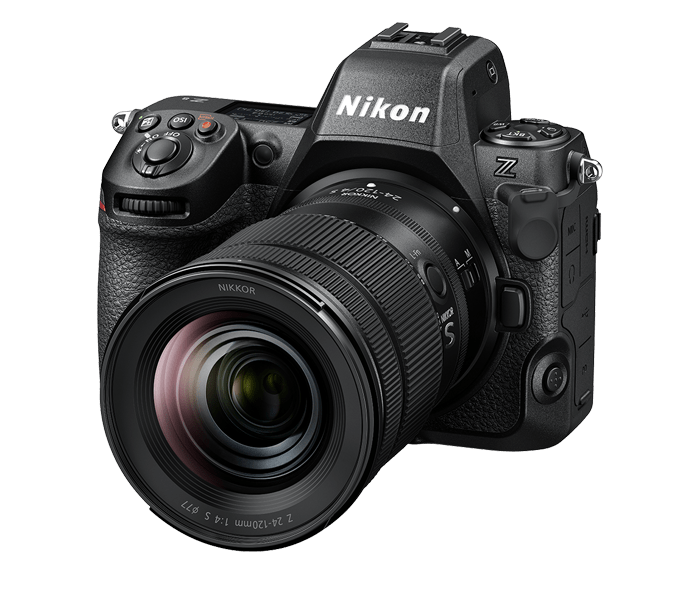
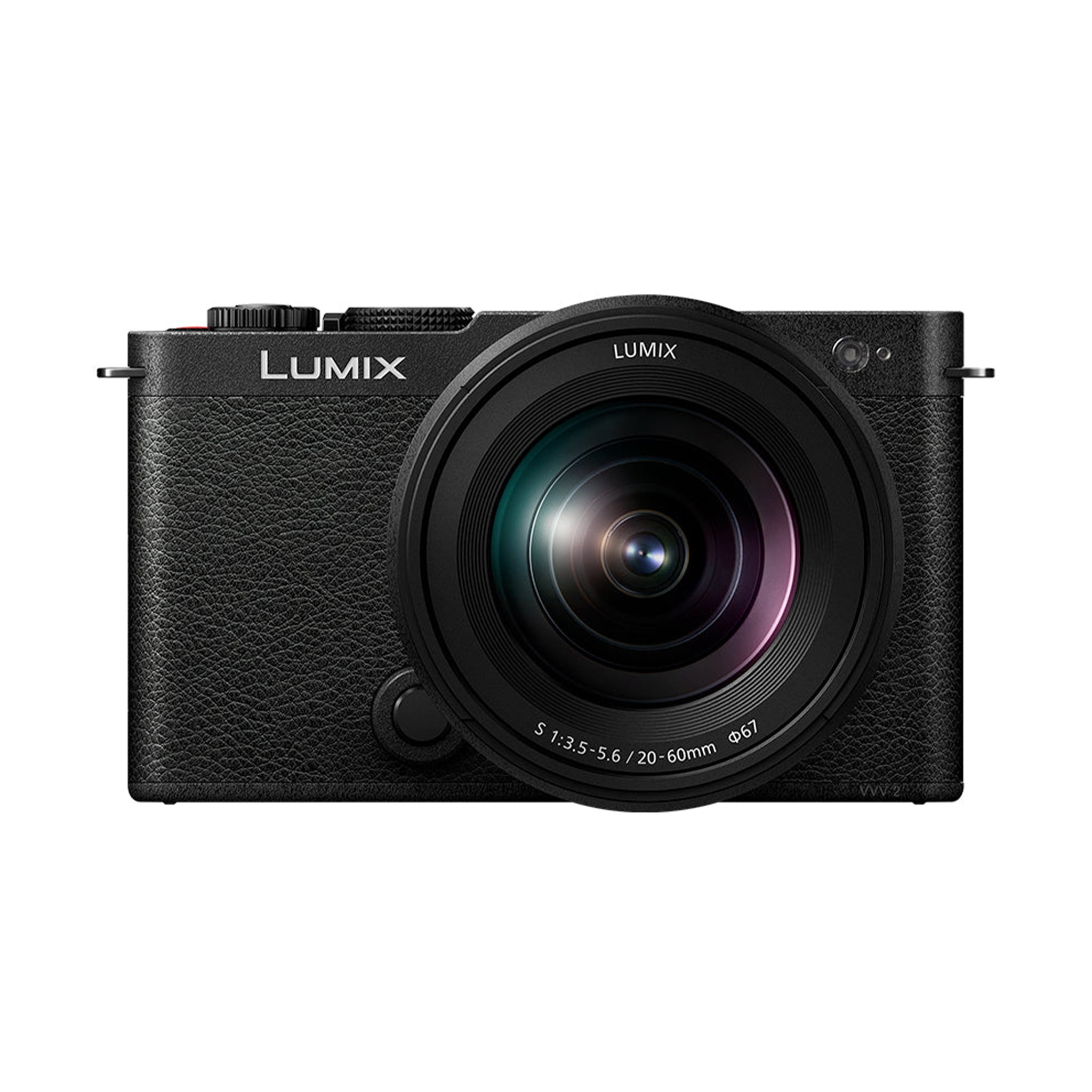
The Nikon Z8 and the Panasonic S9 are two of the most talked-about full-frame mirrorless cameras in the photography community. These two models are often compared due to their high-end specifications and features that appeal to professional photographers and videographers. With unique strengths in image quality, autofocus capabilities, video performance, and build quality, potential buyers may find themselves torn between these two impressive options. Choosing the right camera largely depends on individual needs, whether that's high-resolution imagery, robust video options, or lightweight portability.
Specifications Comparison
Detailed Comparison
Image Quality
The Nikon Z8 stands out with its impressive 46-megapixel full-frame sensor, providing exceptional detail and dynamic range, which is ideal for high-resolution landscapes and portraits. The larger sensor allows for greater tonal depth, making it preferable for professional photographers looking for the utmost in image quality. On the other hand, the Panasonic S9 features a 24-megapixel sensor, which, while sufficient for many applications, may not compete with the Z8 in scenarios where maximum resolution is critical. However, the S9's sensor could be beneficial in low-light situations, as it often has better noise performance at higher ISO ranges due to its less taxing resolution.
In practical terms, photographers may find that the higher resolution of the Z8 allows for significant cropping options without a substantial loss of image quality. Moreover, the Z8 is positioned to capture intricate details that would be more challenging for the S9. While both cameras perform admirably for print and digital display, the Z8 clearly excels in delivering superior image quality and detail.
Ultimately, the choice between the two will depend on photographic needs; those prioritizing resolution and detail will lean towards the Z8, whereas those more focused on versatility or low-light performance may consider the S9.
Autofocus System
The Nikon Z8 is equipped with a cutting-edge autofocus system featuring 493 autofocus points, which provides fast and accurate focusing across a wide range of shooting scenarios. This is particularly evident in tracking moving subjects, making it ideal for wildlife and sports photography. The advanced subject detection capabilities further underscore its ability to maintain focus on complex subjects, which can be a decisive factor for dynamic shooting environments.
Conversely, while the Panasonic S9 features a robust autofocus system, it utilizes fewer autofocus points and may not match the speed or reliability of the Z8 in high-pressure situations. Despite this, many users have praised the S9's depth of field precision and face detection features, particularly in portrait photography. However, under faster-paced environments, the Z8's autofocus performance is more reliable and consistent.
Therefore, for those who require rapid and versatile autofocus, especially during action-packed scenes, the Nikon Z8 clearly holds the advantage over the Panasonic S9.
Video Capabilities
The video capabilities of the two cameras are notable, with the Nikon Z8 offering 4K recording at a high frame rate of up to 120p, which is great for capturing smooth slow-motion footage. This impressive spec is complemented by the camera's ability to shoot 10-bit N-Log or ProRes RAW, catering to professional filmmakers who value post-production flexibility. The camera's overall video features are robust, making it a compelling choice for content creators looking to produce high-quality films and videos.
The Panasonic S9 counters this with its ability to shoot in multiple resolutions including 5.9K, UHD 4K, DCI 4K, and 1080p, offering versatility for various production needs. Its video specs are strong for many videographers, especially those who value the higher resolution formats. However, the lack of higher frame rates at 4K compared to the Z8 might limit its appeal for certain filming scenarios.
Thus, while both cameras excel in video capabilities, the Z8 offers superior performance for high-frame-rate shooting and options that professionals would heavily rely on, making it the preferred choice for videographers who require top-tier performance.
Build & Ergonomics
The Nikon Z8 features a robust and weather-sealed body, built to withstand the elements, which is essential for outdoor photographers who encounter varying conditions. Weighing in at 910 grams, it is heavier than the Panasonic S9, but its design includes comfortable grips and intuitive controls that many users find appealing for long shooting sessions. The larger size can be a drawback for travel photography but does contribute to a more substantial feel when shooting.
In contrast, the Panasonic S9 stands at a mere 486 grams, making it significantly more portable and easier to carry. Its compact design and ergonomics cater to photographers who prioritize lightweight gear, especially for long hikes or travel. While it does offer decent weather sealing, it may not provide the same level of durability as the Z8.
Ultimately, for photographers who prioritize a rugged build and don't mind a bit of extra weight, the Nikon Z8 takes the edge, while those who favor portability and ease of handling may prefer the lighter Panasonic S9.
Battery & Storage
The Nikon Z8 boasts a respectable battery life of approximately 340 shots per charge, which can be crucial for long shooting sessions or travel without easy access to charging. It utilizes dual card slots, supporting CFexpress and SD cards, making it versatile for storage options, particularly for high-resolution photos and video files. Dual card slots also enhance reliability by enabling backup or overflow storage.
On the other hand, while the battery life of the Panasonic S9 is not specified, it is expected to be on par or slightly behind due to its smaller size. The S9 also features dual card slots but is fully compatible with the L-Mount lenses, which broadens the choice for users looking to build a diverse lens portfolio. In some cases, battery life and card speed can impact overall performance during extensive shoots.
In this category, while battery life is essential, the broader storage options and flexibility of the Nikon Z8 edges out the competition, making it a more reliable choice for intensive use.
Value for Money
The Nikon Z8 comes with a price tag of $3999, which can be justified by its advanced features and high-performance capabilities, especially in image quality and autofocus. Photographers who can maximize the advantages of its high resolution and video features may find that their investment pays off over time, making it an attractive option for professionals in need of superior equipment.
In contrast, while specific pricing for the Panasonic S9 is yet to be revealed through its 2024 launch, it is likely to be positioned lower than the Z8, accessible for enthusiasts who may not need the top-tier features. For casual photographers or those starting in the field, the S9 may represent a more affordable alternative without sacrificing essential functionalities.
Therefore, while the Z8 offers exceptional value for professional use, buyers on a budget or those requiring less intensive capabilities may lean toward the more budget-friendly Panasonic S9, balancing features with cost effectively.
Our Verdict
Overall, while the Panasonic S9 holds strong value, particularly for its portable design and potential affordability, the Nikon Z8 emerges as the superior choice for photographers and videographers who demand high image quality, advanced autofocus, and extensive video capabilities. It is better suited for professionals who require versatile and top-notch performance in a wide range of shooting scenarios, while the S9 may cater to enthusiasts and traveling photographers who prioritize weight and ease of handling.
Nikon Z8
Panasonic S9
Also Compare
Frequently Asked Questions
Which camera is better for professional photography?
The Nikon Z8 is generally considered better for professional photography due to its higher resolution, advanced autofocus system, and better video features.
Is the Panasonic S9 more portable than the Nikon Z8?
Yes, the Panasonic S9 is significantly lighter and smaller, making it easier to carry, which is ideal for travel photography.
What are the video recording capabilities of each camera?
The Nikon Z8 offers 4K at up to 120p, while the Panasonic S9 provides 5.9K, UHD 4K, DCI 4K, and 1080p video options.
Which camera is better for low-light photography?
While both can perform well in low light, the Panasonic S9 may have an edge due to its lower megapixel count, leading to potentially better noise performance at high ISOs.
Are the lenses for both cameras widely available?
The Nikon Z8 uses the Z-mount, while the Panasonic S9 features the L-mount. Both ecosystems offer good options, but availability may differ based on your region and preferred lens types.