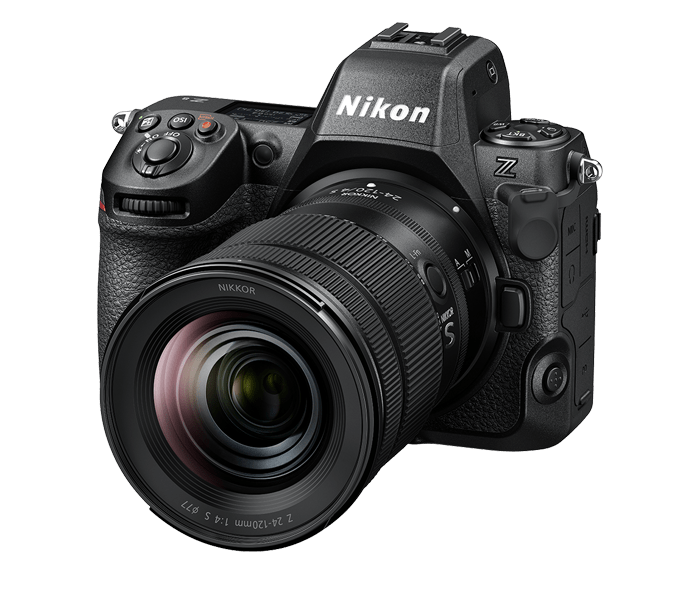
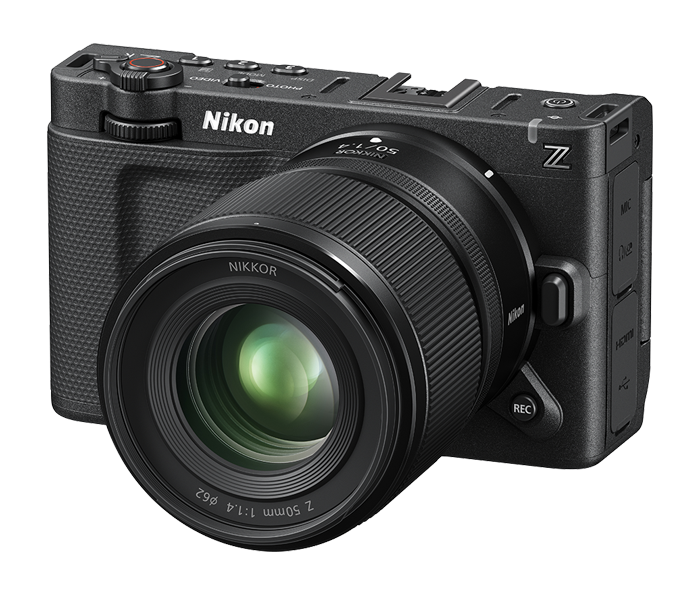
The Nikon Z8 and Nikon ZR are two prominent offerings from Nikon's Z-series lineup, both appealing to different segments of photographers and videographers. The Z8, released in 2023, boasts a staggering 46 megapixels and is designed for high-end enthusiasts and professionals who demand exceptional image quality and video performance. In contrast, the ZR, crafted for a more budget-conscious audience and released in 2025, provides excellent functionality at a more accessible price point with a robust set of features, including an impressive LCD screen. As a result, these two models often emerge in discussions about premium full-frame mirrorless cameras, with buyers deliberating over their specific needs and budget constraints. Key differentiators include pixel count, autofocus capabilities, video specifications, and overall build quality.
Specifications Comparison
Detailed Comparison
Image Quality
Image quality is one of the most significant factors when comparing the Nikon Z8 and ZR. The Z8 features a full-frame sensor with a resolution of 46 megapixels, offering finer detail, which is essential for large prints or extensive cropping applications. This higher resolution also enables the photographer to capture subtle nuances in color and texture, making it ideal for professional work where detail is paramount. In contrast, the ZR utilizes a 25-megapixel sensor, which, while adequate for many purposes, may not deliver the same level of detail and dynamic range as its counterpart. Thus, photographers focused on ultimate image quality will prefer the Z8's capabilities. However, the ZR's lower resolution could still suffice for hobbyists or those who primarily share images online. Overall, the Z8 distinctly leads in this category due to its superior resolution and image-rendering capability.
Autofocus System
The autofocus performance in any camera can significantly influence the final image quality, especially in dynamic shooting situations. The Nikon Z8 is equipped with an advanced autofocus system with 493 focus points, ensuring fast and accurate tracking of subjects, whether they are still or moving. This comprehensive coverage and speed enable photographers to capture sharp images in diverse lighting conditions. On the other hand, the ZR, while still competent with its 273 autofocus points, does not match the Z8's extensive focus capabilities. The wider range of points in the Z8 translates into better subject tracking, particularly in fast-paced environments such as sports or wildlife photography. Therefore, for users prioritizing quick and precise autofocus, the Z8 is the clear winner.
Video Capabilities
When it comes to video capabilities, the Nikon Z8 takes a noteworthy lead with its ability to shoot at a maximum resolution of 4K at 120fps, catering to those who require high frame rates for smooth action sequences or slow-motion video. The Z8's video features, complemented by its 6-stop image stabilization, make it suitable for a wide variety of video applications. In contrast, the ZR provides robust 4K video features as well, but without the high frame rate advantage of the Z8. However, the ZR does feature an impressive 7.5-stop stabilization system, which may slightly benefit handheld shooting for users who prioritize video capture in a range of conditions. Despite this, the serious videographer will likely lean towards the Z8 due to its extended frame rate options. Thus, for high-performance video work, the Z8 is the clear choice.
Build & Ergonomics
In terms of build quality, both the Nikon Z8 and ZR feature weather-sealed bodies, ensuring durability in challenging shooting environments. However, the Z8 is slightly larger and heavier at 910g compared to the ZR's 630g. The Z8's dimensions (144 x 119 x 83 mm) provide a more substantial grip, which may be advantageous for longer shooting sessions. Additionally, while the Z8 has an electronic viewfinder that helps frame shots accurately, the ZR lacks a viewfinder altogether and relies solely on its larger 4″ LCD screen (3,070,000 dots). This might be cumbersome for serious photographers who prefer an EVF for composing images in bright light or for precise focus. Ergonomically, the Z8 provides a more versatile shooting platform, making it the preferred option for extended professional use.
Battery & Storage
Battery life is a critical consideration when selecting a camera, especially for dedicated photographers or videographers. The Nikon Z8 offers a battery life rated at approximately 340 shots per charge, which, while decent, may not be as robust compared to some competitors. The ZR, on the other hand, focuses on portable design and usability, though exact numbers regarding its battery performance have not been provided. Additionally, both cameras utilize the Nikon Z mount, offering a range of compatible lenses. In real-world use, users who frequent long shooting sessions with limited recharge opportunities may find the Z8 to be more conducive to sustained working hours. Therefore, in terms of performance under demanding conditions, the Z8 has an edge, albeit a slight one.
Value for Money
The Nikon Z8 is priced at approximately $3999, positioning it quite high in the full-frame mirrorless market, aimed primarily at professionals seeking top-tier performance. In comparison, the ZR comes in at a more budget-friendly $2200, which opens the doors for enthusiasts who desire full-frame image quality without investing more in advanced features. While the Z8 undoubtedly delivers superior image quality, autofocus, and video capabilities, the ZR offers an attractive option for those who don't need the extreme specifications and are looking to get good performance at a lower price point. The trade-off for that lower price is notable, as potential buyers should carefully evaluate what features they believe are most important to their work. Thus, while the Z8 may excel in performance, the ZR stands out in affordability and accessibility.
Our Verdict
Overall, the Nikon Z8 is the clear winner in this comparison, excelling in image quality, autofocus performance, video capabilities, and build quality. Its higher megapixel count, robust autofocus system, and impressive video specifications cater effectively to professional expectations. However, the Nikon ZR provides considerable value at its price point and is an excellent choice for enthusiasts or casual shooters who prioritize ease of use and portability over extreme performance. For users needing the ultimate photography and videography experience, the Z8 is the superior option, while the ZR serves as a more accessible alternative with adequate capabilities for many shooters.
Nikon Z8
Nikon ZR
Also Compare
Frequently Asked Questions
Which camera is better for wildlife photography?
The Nikon Z8 is better for wildlife photography due to its superior autofocus system, higher megapixel count, and faster continuous shooting speed, enabling you to capture fast-moving subjects with precision.
Is the Nikon ZR suitable for video content creators?
Yes, the Nikon ZR is suitable for video content creators, especially for those who prioritize affordability and a good screen, but it lacks the advanced video capabilities found in the Z8.
How does the build quality compare between the two cameras?
Both cameras are weather-sealed, but the Z8's robust build and larger grip make it more suitable for prolonged use in challenging conditions compared to the lighter ZR.
Can I use lenses from my Nikon DSLR on these cameras?
Yes, you can use Nikon DSLR lenses on these cameras with the appropriate Nikon FTZ adapter, allowing you to maintain a versatile lens ecosystem.
Which camera is more travel-friendly?
The Nikon ZR is more travel-friendly due to its lighter weight and compact dimensions, making it an excellent choice for photographers who want to keep their gear minimal.