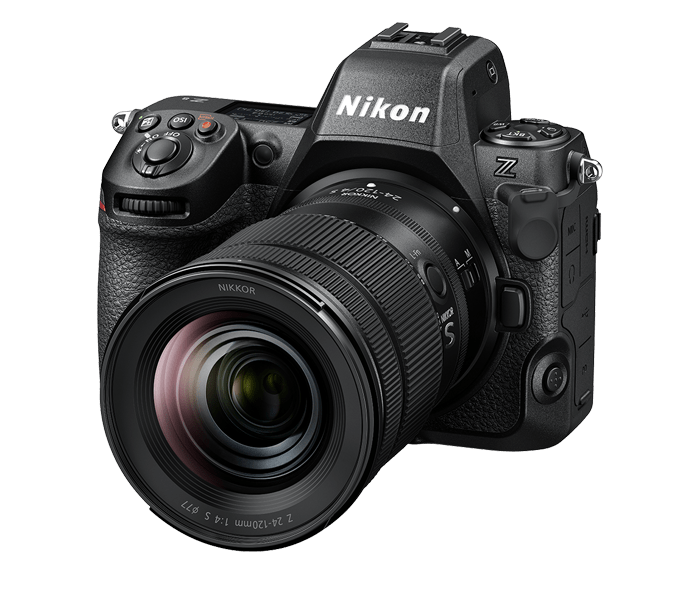
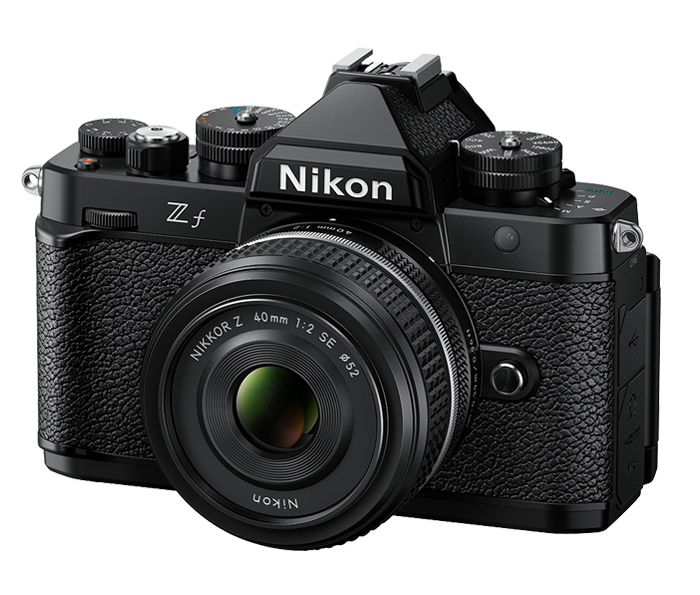
The Nikon Z8 and Nikon Zf are two full-frame mirrorless cameras released in 2023, appealing to both amateur and professional photographers. As brands increasingly offer robust mirrorless options, these models, with their unique features, present a compelling choice among enthusiasts, landscape photographers, and filmmakers alike. Buyers often find themselves torn between the Z8's higher resolution and rapid shooting capabilities versus the Zf's effective cost and enhanced stabilization, thus prompting a detailed comparison to highlight their respective advantages and weaknesses.
The key differentiators between the Nikon Z8 and Zf lie in their specifications, including sensor resolution, autofocus capabilities, video performance, and design aspects. The Z8 caters to those requiring high-resolution images and faster shooting, whereas the Zf offers a compact design, solid performance for various shooting scenarios, and excellent stabilization features that appeal to content creators and casual users alike.
Specifications Comparison
Detailed Comparison
Image Quality
When it comes to image quality, the Nikon Z8 clearly stands out due to its 46 megapixel full-frame sensor, which provides superior detail and dynamic range compared to the Zf's 25 megapixels. This advantage makes the Z8 an ideal choice for landscape photographers or anyone needing to produce high-resolution prints. The enhanced resolution allows for more cropping flexibility while retaining image detail, benefiting photographers who often shoot in challenging light conditions, where image noise can emerge.
On the other hand, while the Nikon Zf may have a lower megapixel count, it still produces crisp and vibrant images thanks to its capable full-frame sensor. For most applications, especially in moderate-sized prints or social media sharing, the 25MP output is more than sufficient. It also excels in lower-light conditions where vibrant colors and adequate detail remain easy to achieve, making it a strong contender for street photography or casual use.
Overall, while both cameras provide excellent image quality, the increased resolution of the Z8 means it has the edge when high detail is paramount.
Autofocus System
The autofocus system in the Nikon Z8 features an impressive 493 autofocus points, ensuring fast and accurate focusing across a wide frame. This extensive coverage is particularly beneficial for fast-moving subjects, making it a preferred choice for sports and wildlife photography. Furthermore, the Z8's higher AF point count aids in improved subject tracking, even under challenging lighting conditions.
In contrast, the Nikon Zf offers 273 autofocus points, which while respectable, may not perform as reliably for fast-paced action scenarios. It is designed to cover most basic needs and provides satisfactory performance in everyday shooting; however, those needing the quickest focus acquisition and tracking may find it limiting.
With the emphasis on hybrid shooting scenarios - combining both stills and video - the Z8's advanced autofocus system gives it a definitive advantage in dynamically changing environments.
Video Capabilities
The video capabilities of the Nikon Z8 are impressive, offering 4K video at 120 frames per second, making it an excellent choice for professionals who shoot high-action content or require slow-motion capabilities. This high frame rate, combined with 10-bit 4:2:2 internal recording options, enables videographers to produce high-quality videos suitable for broadcast or cinematic use.
In comparison, the Nikon Zf records 4K video at up to 60p, which is adequate for many applications but falls short of the Z8's advanced capabilities. The Zf is still well-suited for casual videographers or content creators looking for a reliable video performance without the need for extreme frame rates. However, for those looking to push their video production further, the Z8 is clearly the more powerful option in this section.
Thus, for filmmakers and content creators who prioritize video features, the Nikon Z8 comes out on top due to its higher resolution and frame rate capabilities.
Build & Ergonomics
Both the Nikon Z8 and Zf share a solid build quality featuring weather-sealed bodies, designed to withstand adverse conditions. However, the Z8 is slightly bulkier and heavier due to its advanced features and greater battery capacity, weighing in at 910g compared to the Zf's 710g. This difference may be significant for photographers looking to minimize weight during long shooting sessions.
The dimensions of the Z8 make it somewhat larger, but it houses a more substantial grip, ideal for those using larger lenses or planning to shoot for extended periods. On the flip side, the Zf's compact design and lightweight structure provide ease of transport, making it appealing for everyday shooting and travel.
Both cameras feature a 3.2-inch LCD screen; however, the Zf's display has a slightly higher dot resolution, which can improve viewing detail. Users will appreciate the placement of buttons and controls on both models, providing a comfortable shooting experience. Nevertheless, the Z8's overall build offers a more robust feeling for serious applications.
Battery & Storage
In terms of battery life, the Nikon Zf slightly edges out with a rating of around 380 shots per charge versus the Z8's 340. This could be a factor for users planning long shoots without access to spare batteries. However, both cameras are compatible with the same battery type, making it easier for users transitioning between the models.
When it comes to storage, both cameras utilize dual card slots, allowing for flexibility and increased security in shooting scenarios. This feature benefits photographers by allowing simultaneous use of two different card types, which can be advantageous for a variety of shooting needs and data management.
Despite the slight advantage in battery life for the Zf, a 40-shot difference might not be substantial for many users, considering the overall capabilities of the Z8 enhance its usability in critical scenarios.
Value for Money
Considering their pricing, the Nikon Zf holds a significant advantage at $1,999 compared to the Z8's $3,999. For entry-level and enthusiast photographers, the Zf represents exceptional value, offering ample features and reliable performance without breaking the bank. It allows users to access full-frame capabilities without the high price tag, providing sufficient resolution and features for most standard photography needs and hybrid video usage.
On the other hand, the Nikon Z8, while more expensive, targets a higher-end bracket with its advanced specifications. Its price reflects the cutting-edge features including higher resolution, superior autofocus, and better video capabilities, making it a worthy investment for professional photographers and filmmakers who require the best performance.
Ultimately, the Z8 delivers more in terms of capabilities, while the Zf offers a much cheaper entry point into the full-frame system, making it a great option for those on a tighter budget.
Our Verdict
Overall, the Nikon Z8 wins this comparison due to its superiority in image quality, autofocus system, and video capabilities. Professionals and serious enthusiasts seeking the ultimate performance will find the Z8 to be an invaluable tool, especially for high-stakes shoots requiring high-resolution images and advanced video functionalities. While the Zf presents an immensely appealing option for casual users and those looking for a budget-friendly solution, the Z8 undoubtedly justifies its higher price with expanded capabilities that will benefit serious photographers in extensive shooting scenarios.
Nikon Z8
Nikon Zf
Also Compare
Frequently Asked Questions
Which camera is better for wildlife photography?
The Nikon Z8 is the better choice for wildlife photography due to its superior autofocus system featuring 493 points, high-resolution 46MP sensor, and higher continuous shooting speed of 30fps which allows better tracking and capturing of fast-moving subjects.
Is the Zf sufficient for casual video making?
Yes, the Nikon Zf is sufficient for casual video creation, offering 4K video at 60p. For most casual creators and social media use, its features will effectively meet common needs, although the Z8 is preferable for advanced video work.
How do their battery lives compare in real-world use?
While the Zf has a rated battery life of 380 shots against the Z8's 340 shots, real-world performance can vary. Users report both cameras are capable of lasting through a day's shooting, but the Zf may offer slightly prolonged usage without needing a recharge.
What type of photography is the Z8 best suited for?
The Z8 is well-suited for high-resolution photography such as landscape, architecture, and commercial work due to its high megapixel count and advanced autofocus system. It's also excellent for fast-action sports photography because of its high frame rate.
Should I invest in the Z8 or Zf if I'm new to photography?
If you're new to photography and working on a budget, the Nikon Zf is a better investment, offering great value for beginners with decent performance and features. However, if you're planning to pursue photography more seriously, consider investing in the Z8 for its superior capabilities.