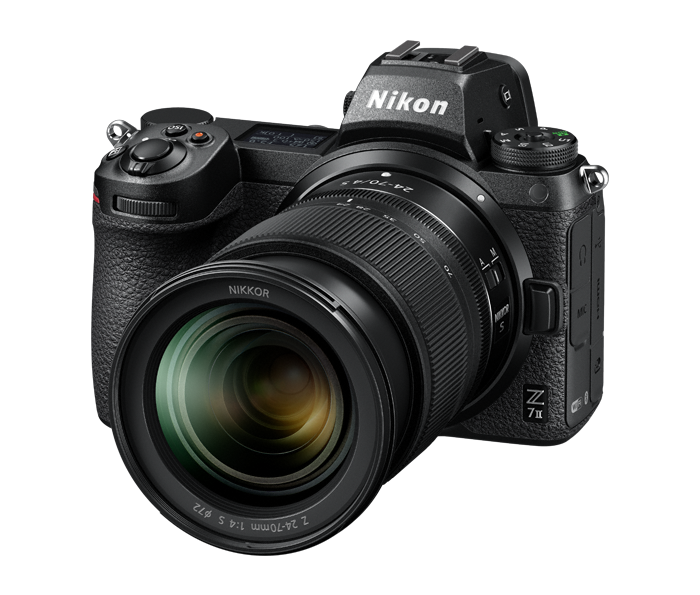

The Nikon Z7 II and Sony A9 III are two compelling full-frame mirrorless cameras that attract photographers and videographers looking for high performance and image quality. The Z7 II is known for its impressive resolution, offering 46 megapixels, which is particularly beneficial for landscape and studio photographers who require exceptional detail. In contrast, the A9 III shines with its speed and advanced autofocus system, making it a favorite among sports and wildlife photographers who need to capture fast action with precision. These two cameras are often compared due to their similar market positioning, but they cater to slightly different user needs and preferences.
Specifications Comparison
Detailed Comparison
Image Quality
When it comes to image quality, the Nikon Z7 II has a clear advantage with its 46-megapixel sensor, which allows for greater detail and higher resolution images. This is particularly advantageous for large prints and cropping without losing significant image quality. Additionally, the Z7 II features a native ISO range of 64-25600, expandable to 32-102400, enabling better performance in various lighting conditions.
On the other hand, the Sony A9 III, while equipped with a lower 25-megapixel sensor, excels in delivering great performance even in challenging conditions thanks to its advanced processing. The Sony's sensor also handles high ISO settings well, making it effective for low-light shooting scenarios. However, for photographers predominantly focused on detail, the Z7 II's higher resolution will likely be a deciding factor.
In conclusion, if image quality and resolution are of paramount importance to the user, the Nikon Z7 II stands out, whereas the Sony A9 III provides solid performance with a focus on speed and versatility.
Autofocus System
The autofocus system is a crucial aspect for many photographers, especially those engaged in action photography. The Sony A9 III boasts an impressive autofocus system with 693 phase-detection points, significantly enhancing its ability to track fast-moving subjects at an unprecedented speed of 120 fps. This makes it an excellent choice for sports and wildlife photographers who need quick and accurate focusing in dynamic environments.
Conversely, the Nikon Z7 II features 493 autofocus points, which, while competent, does not match the precision and speed of the A9 III's system. Despite its lower autofocus point count, the Z7 II's autofocus performance is reliable for most applications, including landscape and portrait photography, where tracking speed may not be as critical.
Overall, while both cameras offer strong autofocus capabilities, the sheer speed and tracking performance of the A9 III give it the edge in this category, especially for action-oriented photographers.
Video Capabilities
Video performance is another vital consideration for modern photographers and content creators. The Nikon Z7 II supports 4K video recording at up to 60 frames per second (fps), delivering excellent resolution and quality for most video applications. It also provides 10-bit HDMI output, catering to more serious videographers looking for high-quality recordings in post-production.
In comparison, the Sony A9 III excels with its ability to shoot 4K video at up to 120 fps, which allows for smooth slow-motion playback and is particularly attractive for filmmakers who want dynamic footage. The A9 III also features advanced video codecs and improved thermal management, which is essential for extended recording sessions.
Given these capabilities, if high-frame-rate video and advanced video features are priorities for the buyer, the Sony A9 III is the clear winner in this comparison, while the Z7 II still holds its ground with solid video performance for those focused primarily on still photography.
Build & Ergonomics
Build quality and ergonomic design are essential for camera users who spend long hours shooting. The Nikon Z7 II is slightly bulkier and heavier at 705 grams, whereas the Sony A9 III is more compact and lightweight at 617 grams. This difference can impact portability for travel photographers or those who prefer shooting handheld for extended periods.
Both cameras feature robust weather sealing, offering durability against harsh conditions, which is crucial for outdoor photographers. The Z7 II has a slightly more traditional layout, appealing to users who appreciate a more classic DSLR feel, while the A9 III's design incorporates newer technology features that might resonate with modern users.
In the end, while both cameras are well-designed and built to withstand the rigors of professional use, the portability and lighter weight of the A9 III can be more advantageous for those who prioritize maneuverability in their photography.
Battery & Storage
When considering battery life, the Nikon Z7 II boasts an impressive rating of approximately 420 shots per charge, giving it an advantage for long day shoots without frequent recharging. It also uses dual card slots for storage, accommodating both SD and CFexpress cards, which adds flexibility for both photographers and videographers in organizing and managing their files.
The Sony A9 III, while its specific shot count is typically lower, is optimized for efficiency, often performing well in real-world scenarios. With dual card slots as well, it accommodates CFexpress Type A and SD UHS-II cards, providing versatility in storage options. The A9 III's management of power during high-speed shooting scenarios could also be a consideration as it minimizes power draw during burst modes.
In summary, the Z7 II's longer battery life is beneficial for users looking for extended use without interruption, while the A9 III's efficient power management balances performance in high-action environments.
Value for Money
At a price point of $2999, the Nikon Z7 II offers substantial value with its high-resolution sensor and well-rounded performance for both stills and video. It is an excellent choice for photographers who prioritize image quality, resolution, and overall versatility. Given its capabilities, it represents a solid investment, particularly for those eager to produce high-quality prints or detailed images.
On the other hand, the Sony A9 III, priced similarly, offers advanced speed and cutting-edge video features that appeal to professional photographers and filmmakers alike. Its ability to shoot fast action with reliable autofocus makes it a compelling option for those in dynamic environments, such as sports events or wildlife photography.
In terms of value, both cameras hold their own. Price-sensitive consumers may find the Z7 II offers greater benefits in terms of image detail, while those focused on speed and video will lean towards the A9 III, making it a subjective call based on user needs.
Our Verdict
Overall, the comparison between the Nikon Z7 II and Sony A9 III highlights their respective strengths catering to distinct preferences in photography and videography. The Z7 II excels in image resolution and battery life, making it an ideal choice for detailed commercial work and landscapes. Conversely, the A9 III's impressive autofocus system and high-speed video capabilities make it exceptional for action-oriented disciplines. Depending on the specific needs-whether it be detail-oriented work or high-speed performance-either camera could be the right fit, resulting in a tie in this comparison.
Nikon Z7 II
Sony A9 III
Also Compare
Frequently Asked Questions
Which camera is better for sports photography?
The Sony A9 III is better suited for sports photography due to its superior autofocus system, high burst shooting speed, and frame rate capabilities, making it ideal for capturing fast action.
Is the Nikon Z7 II better for landscape photography?
Yes, the Nikon Z7 II's 46-megapixel sensor provides stunning detail and resolution, making it an excellent choice for landscape photographers who require high-quality images.
How do their video capabilities compare?
The Sony A9 III offers higher frame rates for video with 4K recording up to 120 fps, whereas the Nikon Z7 II supports 4K at 60 fps, which may not be as beneficial for action-oriented video work.
Which camera is lighter for travel?
The Sony A9 III is lighter at 617 grams compared to the Nikon Z7 II at 705 grams, making it a more portable option for travel photographers.
Are both cameras weather-sealed?
Yes, both the Nikon Z7 II and Sony A9 III feature weather-sealing, making them durable options for outdoor photography in challenging environments.