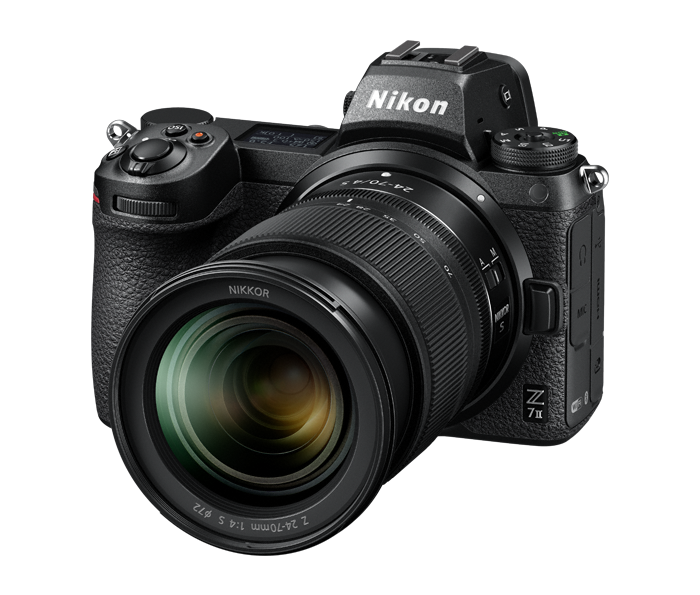
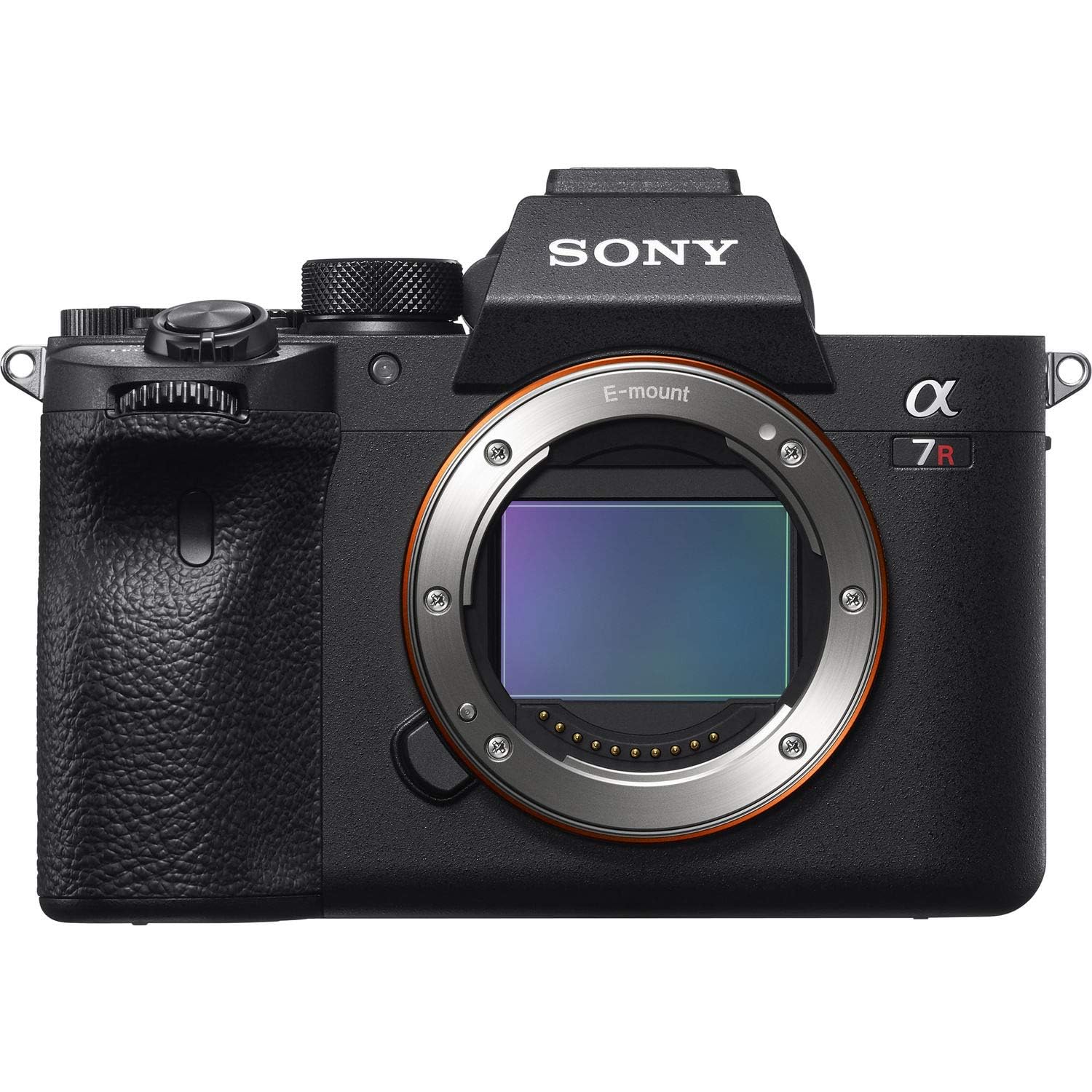
The Nikon Z7 II and Sony A7R IV are two prominent contenders in the full-frame mirrorless camera market, often compared by photographers seeking high resolution and superior image quality. Both models appeal to professionals and enthusiasts alike, with demanding use cases ranging from landscape to portrait photography. Understanding the nuanced specifications and features of these cameras is essential for buyers who are evaluating which system aligns best with their shooting style and needs. Key differentiators include sensor resolution, autofocus capabilities, video performance, and build quality, making them appealing yet distinct options in the same price bracket.
Specifications Comparison
Detailed Comparison
Image Quality
Both the Nikon Z7 II and Sony A7R IV produce stunning images with impressive resolution. The Nikon Z7 II boasts a 46-megapixel sensor, while the A7R IV ups the ante with a 61-megapixel sensor. This additional resolution in the A7R IV provides greater detail and is especially beneficial for large format prints or cropping in post-processing. However, the Z7 II's images are noted for their excellent dynamic range and color science, appealing to many photographers who prefer Nikon's output.
In terms of low-light performance, the Z7 II has an ISO range that expands from 32 to 102400, compared to the A7R IV's ISO 50 to 102800. This means that while both cameras can perform well in low light, the Z7 II offers slightly more versatility in extreme shooting conditions. That said, the A7R IV tends to retain better detail and less noise than the Z7 II at higher ISO settings, making it a strong contender in challenging lighting situations.
Considering both cameras also feature full-frame sensors that provide a shallow depth of field, the overall image quality can often come down to personal preference regarding color rendering and tonal response. Ultimately, the winner in this section is subjective to the user's requirements for resolution versus overall quality.
Autofocus System
The autofocus capabilities of both these cameras are robust, yet they differ in execution. The Nikon Z7 II features 493 autofocus points, allowing for precise focusing across a wide frame, while the Sony A7R IV includes 567 points, which provides even greater coverage and enhanced subject tracking. This edge in the A7R IV is especially beneficial for action photography where focus needs to be quickly adjusted across varying distances.
Furthermore, the Sony A7R IV's Real-time Eye autofocus, including animal recognition, offers significant advantages for portrait and wildlife photographers. This feature ensures that the camera will consistently lock focus on a subject's eyes, allowing for more reliable and professional-quality images. On the other hand, Nikon has made improvements with the Z7 II's subject detection, but it still trails behind Sony's current autofocus prowess in terms of response speed and accuracy.
In practical scenarios, users have noted that the A7R IV appears to achieve lock-on focus faster in dynamic shooting situations. Therefore, while both cameras have excellent autofocus systems, the additional focus points and features of the A7R IV give it a distinct advantage in versatility and performance.
Video Capabilities
When it comes to video capabilities, there is a noticeable difference between the two models. The Nikon Z7 II supports 4K video recording at up to 60 frames per second (fps), offering more versatility for videographers seeking high frame rates for smoother playback and more dynamic footage. This capability makes the Z7 II a more suitable choice for serious video creators who require high-quality footage with less cropping.
On the other hand, the Sony A7R IV is limited to 4K recording at 30 fps, which may not meet the needs of professionals looking for higher frame rate options for their projects. Although the A7R IV excels in video resolution, some users note that the lack of 60 fps recording can be a significant drawback when trying to achieve professional video quality, especially in fast-moving scenes.
Both cameras feature strong 10-bit output, but the Z7 II's higher frame rate capability for 4K is a considerable advantage for dynamic cinematography. As such, those prioritizing video quality and functionality would find the Nikon Z7 II leading in this aspect, particularly for high-end projects.
Build & Ergonomics
When comparing the build quality and ergonomics, both the Nikon Z7 II and Sony A7R IV are designed to meet the rigors of professional use, with weather sealing that protects against dust and moisture. The Z7 II's larger grip may appeal to those who favor a more substantial feel in their hands, especially during long shooting sessions. Its dimensions are slightly larger, contributing to a more comfortable handling experience.
Conversely, the A7R IV, being slightly lighter and smaller, may be more appealing to photographers who prioritize portability. The weight difference is minimal, with the A7R IV weighing 665 grams compared to the Z7 II's 705 grams, but the ergonomic design can influence prolonged use.
In terms of the control layout and accessibility of settings, both cameras are fairly intuitive, but Nikon's interface might be more welcoming to existing Nikon users. However, the choice will largely depend on personal preference, with some photographers preferring the Sony interface and functionality over time. Given these factors, both cameras excel in build quality and usability, leading to a tie in this section.
Battery & Storage
Battery life is a crucial factor for many photographers, especially during extended shoots. The Nikon Z7 II boasts a commendable battery life of 420 shots, which is competitive, but when compared with Sony A7R IV's impressive 670 shots, it clearly falls short. This can be particularly significant in professional environments where changing batteries frequently could disrupt workflow.
In terms of storage, both cameras support dual card slots; however, the A7R IV provides an advantage with its ability to use both SD and CFexpress Type A cards, increasing the options for fast storage and reducing buffer times during high-speed shooting. The Z7 II uses SD cards, which are still effective, but may not match the speed advantages provided by CFexpress.
Thus, for photographers who prioritize longevity in their camera operations without interruptions, the A7R IV would be the clear choice, allowing for more extensive shooting sessions without needing to swap batteries as frequently.
Value for Money
In terms of pricing, the Nikon Z7 II is available for around $2999, while the Sony A7R IV is priced higher at approximately $3500. For many photographers, the question of value often corresponds to the intended use, such as the need for higher resolution, advanced autofocus capabilities, and battery life. The additional features of the A7R IV justify its higher price for professionals who require the very best in those areas.
However, the Z7 II still represents excellent value for users who prioritize video capabilities and enjoy the Nikon user experience, particularly with the 4K 60p recording and higher ISO performance. The price difference may not be justified for all users, especially those who don't need the additional 15 megapixels or the most advanced autofocus technology. In this regard, both models offer commendable value, depending on user needs.
For those on a budget who want a robust camera with rich video features, the Nikon Z7 II may emerge as a more appealing option. For those who can afford the Sony A7R IV and lean towards photography with high-resolution demands, it is a worthy investment. Overall, it becomes a subjective decision driven by individual requirements and budget considerations.
Our Verdict
Ultimately, while both the Nikon Z7 II and Sony A7R IV are exceptional full-frame mirrorless cameras, the Sony A7R IV takes the lead overall primarily due to its superior image resolution, advanced autofocus system, and impressive battery life, making it a more suitable choice for professional photographers who prioritize high-performance specifications. The Nikon Z7 II, however, shines in video capabilities and overall usability for those who value 4K recording at higher frame rates and prefer the Nikon interface. Thus, the A7R IV is often the better choice for high-resolution photography endeavors, while the Z7 II is excellent for multimedia creators seeking versatility.
Nikon Z7 II
Sony A7R IV
Also Compare
Frequently Asked Questions
Which camera is better for low-light photography?
The Nikon Z7 II has a wider ISO range, which allows it to capture photos at lower light levels effectively. However, the A7R IV performs exceptionally well at high ISO settings, making it a close competitor in low-light scenarios.
What is the main advantage of the Sony A7R IV?
The Sony A7R IV's main advantage is its higher resolution and superior autofocus system, allowing for better detail capture and subject tracking, especially in dynamic situations.
Is the Nikon Z7 II better for video work?
Yes, the Nikon Z7 II offers 4K recording at 60 frames per second, making it a preferable choice for videographers seeking higher frame rates and dynamic video quality.
How do the lenses for each camera compare?
Both systems have a solid lens ecosystem, but Sony currently has a more extensive range of native lenses available. Nikon's Z lens lineup is growing fast, and both brands feature high-quality optics.
Which camera is more suited for professional use?
Both cameras are well-suited for professional use, but the choice hinges on specific needs. The A7R IV is ideal for photographers needing top-tier resolution and autofocus, while the Z7 II is excellent for users requiring advanced video capabilities.