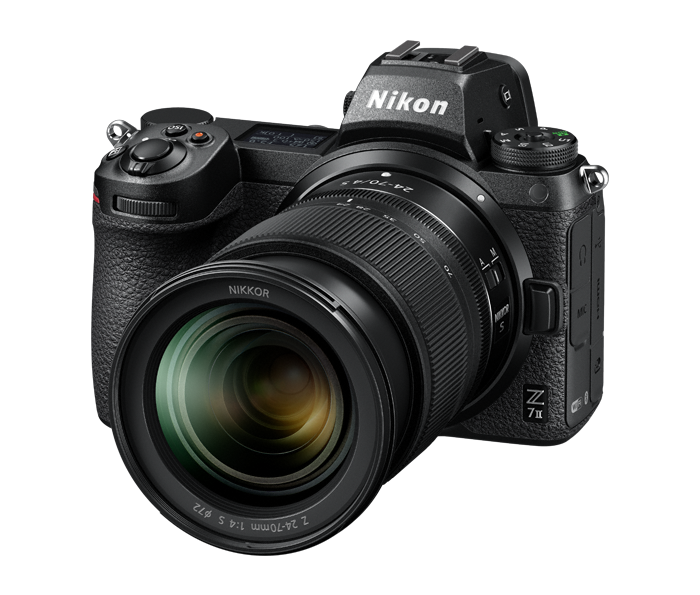
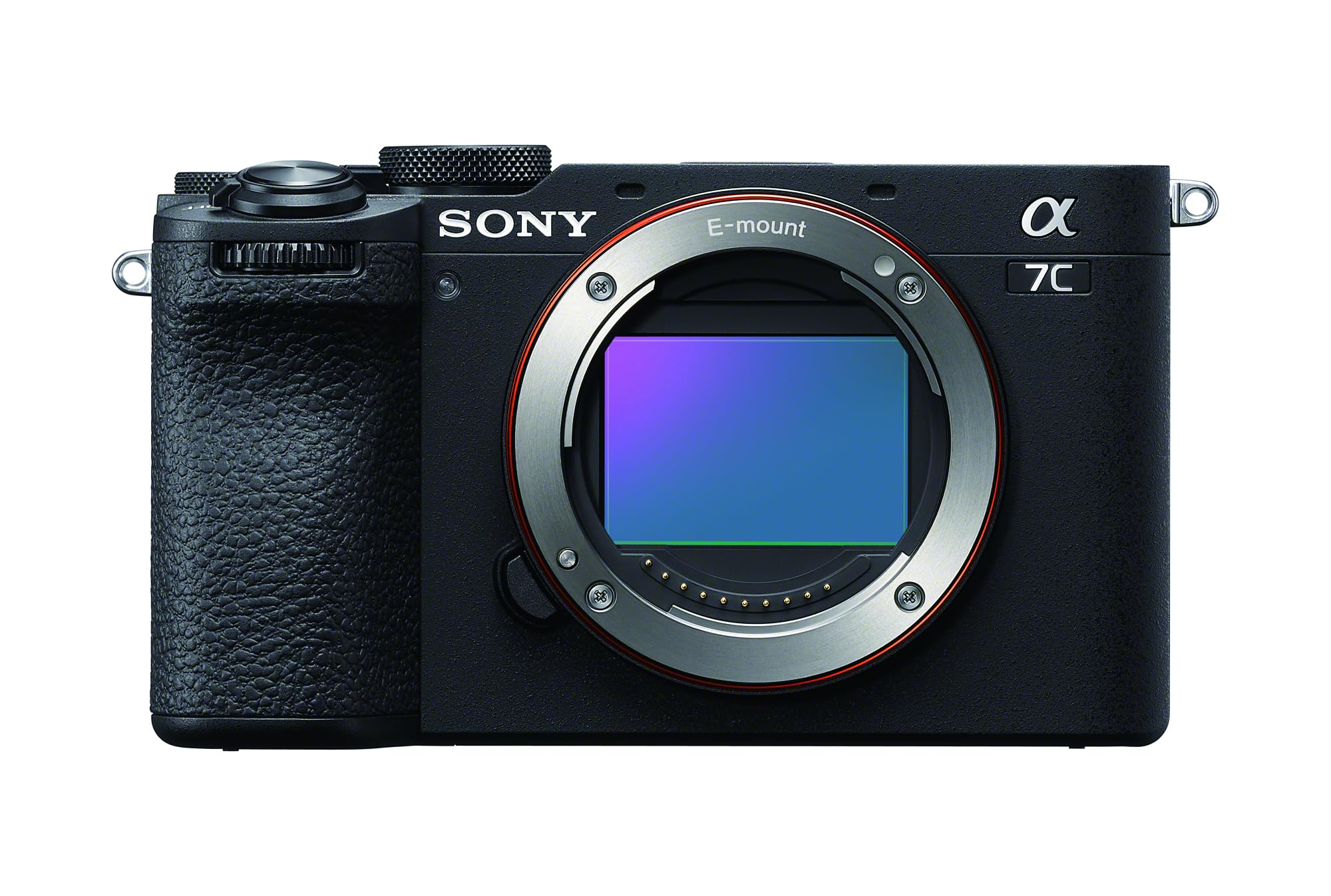
The Nikon Z7 II and Sony A7C II are two standout competitors in the full-frame mirrorless camera market. Photographers and videographers often find themselves weighing these models against each other due to their robust feature sets, competitive pricing, and the reputations of their respective brands. Both cameras appeal to a variety of users, from professional photographers looking for high-resolution images to vloggers aiming for high-quality video. Key differentiators between the two include sensor resolution, autofocus capabilities, and ergonomics, which can play a significant role in the decision-making process depending on the individual's needs.
Specifications Comparison
Detailed Comparison
Image Quality
When it comes to image quality, the Nikon Z7 II holds a clear advantage with its impressive 46 megapixels compared to the Sony A7C II's 33 megapixels. This higher resolution means that the Z7 II can capture more detail, making it a better choice for large prints or cropping situations. Additionally, the Z7 II offers a slightly wider ISO range starting at 64 and expanding more effectively to ISO 102400, allowing for greater flexibility in low-light conditions. On the other hand, the A7C II performs exceptionally well at high ISO levels as well, featuring an ISO range that starts at 100 and expands to 204800, which is advantageous for users who often shoot in very dark environments.
Both models exhibit excellent dynamic range, but the A7C II's newer sensor technology offers subtle advantages in color science and skin tones, which can be important for portrait photography. The difference in pixel count can impact depth of field control as well; the Z7 II may be more suitable for achieving that creamy bokeh effect. Users who prioritize maximum detail and resolution may find the Z7 II more appealing, whereas users who often shoot portraits might appreciate the color rendering of the A7C II more.
In summary, the Nikon Z7 II is the clear winner in terms of megapixels and low-light performance, while the Sony A7C II excels in color science and usability for specific applications.
Autofocus System
The autofocus system is critical for various photography styles, and here, the Sony A7C II takes the lead with its advanced 759 phase-detection points compared to the Nikon Z7 II's 493 points. This enhancement allows the A7C II to achieve faster and more accurate focus acquisition, especially in dynamic shooting situations such as weddings or sports. The A7C II also features superior eye and face detection capabilities, making it particularly valuable for portrait and wildlife photographers.
While the Z7 II's autofocus system is competent, its fewer points and slightly older technology might not perform as swiftly in challenging lighting conditions. However, the Z7 II does include focus stacking and other creative features, which some photographers may find beneficial. It also performs admirably in still-life subjects, but overall, the swift and confident tracking of the A7C II makes it more versatile.
In summary, for those who prioritize autofocus speed and subject tracking, the Sony A7C II is the superior choice, while the Nikon Z7 II still has robust capabilities for its niche audience.
Video Capabilities
Both the Nikon Z7 II and the Sony A7C II excel in video capabilities, offering 4K resolution at 60 frames per second, which is ideal for high-quality video production. However, the Z7 II provides an advantage with its higher resolution sensor, which can deliver greater detail in video footage. That being said, the A7C II's video features include S-Cinetone color profiles that are designed to offer a more cinematic look right out of the camera, beneficial for vloggers and filmmakers who seek a richer aesthetic in their projects.
Additionally, the A7C II features 7 stops of in-body image stabilization compared to the Z7 II's 5 stops, which provides a noticeable advantage in handheld shooting scenarios. This means smoother video capture while moving, reducing the need for gimbals or other stabilization equipment. The Z7 II does offer some advanced video features, such as 10-bit output via HDMI, which professional videographers will appreciate for post-production flexibility.
Overall, while both cameras are adept in video, if stabilization and color science are critical considerations, the A7C II shines brighter; if resolution and versatility in settings are more crucial, the Nikon Z7 II would be the better option.
Build & Ergonomics
The build quality of both cameras is impressive, with weather sealing to withstand challenging environments. The Nikon Z7 II, while heavier at 705g, is larger in dimensions, providing a more substantial grip, which some users may find more comfortable for extended shooting sessions. The substantial weight can also lend a sense of stability, particularly with longer lenses.
Conversely, the Sony A7C II is significantly lighter at 514g and smaller in size, which makes it an ideal choice for travel or street photography. The compact design ensures greater portability without sacrificing performance, fitting easily into smaller bags or even larger pockets. However, the smaller grip may feel less secure to some users, particularly when using larger lenses.
Both models feature electronic viewfinders and tilting LCD screens for framing shots, but the Z7 II's 3.2" screen has higher resolution at 2.1 million dots compared to the A7C II's 3" screen with 1.04 million dots. This could influence how well users can assess image quality on screen in the field. Ultimately, user preference for heft versus portability will guide their choice in this category.
Battery & Storage
Battery life is a crucial aspect in any camera for serious photographers and videographers. The Nikon Z7 II offers a solid battery life rated for around 420 shots per charge, while the Sony A7C II excels, providing a longer battery life with approximately 540 shots per charge. This additional longevity can be especially beneficial during long shooting days or while traveling without access to charging stations.
Both cameras utilize similar storage formats, allowing compatibility with SD cards, which ensures fast write speeds for high-resolution photos and 4K video. However, the A7C II supports dual card slots, enhancing flexibility for backup options and extended shooting without interruptions. This feature becomes valuable for professional users needing assurance against data loss while ensuring they can shoot in various file formats.
In summary, when it comes to battery performance and storage capabilities, the A7C II offers clear advantages that could be decisive for intensive users, making it the superior model in this section.
Value for Money
Pricing is an essential consideration for most buyers. The Nikon Z7 II is positioned at a price point of $2999, reflecting its high-resolution sensor and professional-grade features. However, potential buyers should evaluate whether these expert-level features justify the higher cost for their shooting needs. For photography enthusiasts and professionals who prioritize resolution and versatility, the investment may be worth it.
In contrast, the Sony A7C II is offered at a more approachable price of $2200, making it an appealing option for entry-level users and those upgrading from crop sensor cameras. The A7C II packs a robust set of features that cater to a wide range of user types, including excellent video capabilities and lightweight ergonomics that justify its lower cost.
Therefore, while the Z7 II offers advanced features for a higher price, the A7C II provides great value for the capabilities included in its price tag, catering more broadly to a variety of consumers. Those who are budget-conscious or primarily shooting casual or semi-professional content would find the A7C II more inviting without sacrificing quality.
Our Verdict
In conclusion, the Sony A7C II narrowly edges out the Nikon Z7 II overall, particularly appealing to those seeking a lightweight, user-friendly design with exceptional video features and autofocus performance. For users who focus on high-resolution imaging and advanced photography techniques, the Nikon Z7 II remains a formidable contender that delivers professional results and detail. Each camera excels in its own domain, making the decision ultimately depend on what the buyer prioritizes: resolution and advanced capabilities or portability and advanced video specs.
Nikon Z7 II
Sony A7C II
Also Compare
Frequently Asked Questions
Which camera is better for low light photography?
The Nikon Z7 II offers better low light performance with its wider ISO range starting from 64, making it more suited for environments with scarce light. However, both cameras perform well in low light thanks to their full-frame sensors.
Can I use Nikon lenses on the Sony A7C II?
No, Nikon lenses cannot be directly used on the Sony A7C II without the use of adapters, as they have different mounts. It's advisable to choose lenses that are compatible with the specific system.
Which camera is more suitable for video work?
The Sony A7C II is generally considered more suitable for video work due to its 7 stops of stabilization, S-Cinetone color profiles, and longer battery life, which benefit filmmakers and vloggers.
How does battery life compare between the two models?
The Sony A7C II has a better battery life with around 540 shots compared to the Z7 II's 420 shots per charge, making it more advantageous for extended shooting sessions.
Is the Nikon Z7 II worth the higher price?
If you prioritize high megapixel count for detailed images and advanced photography features, the Nikon Z7 II can be worth the investment for professionals or serious enthusiasts.