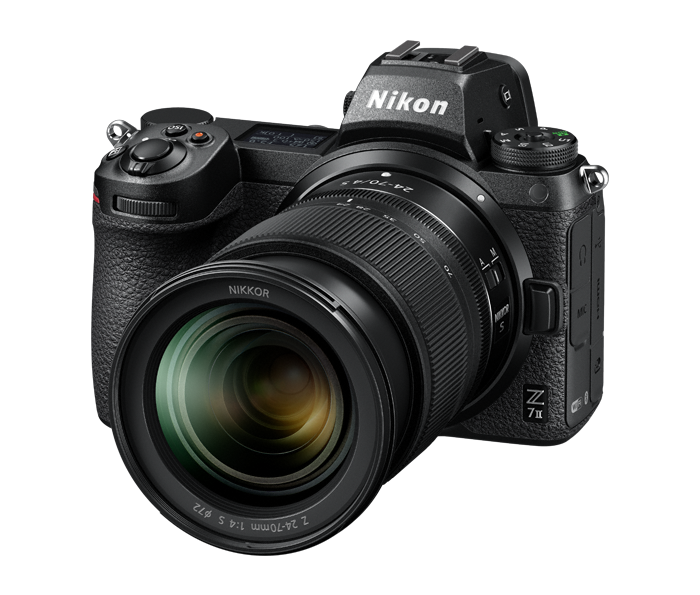
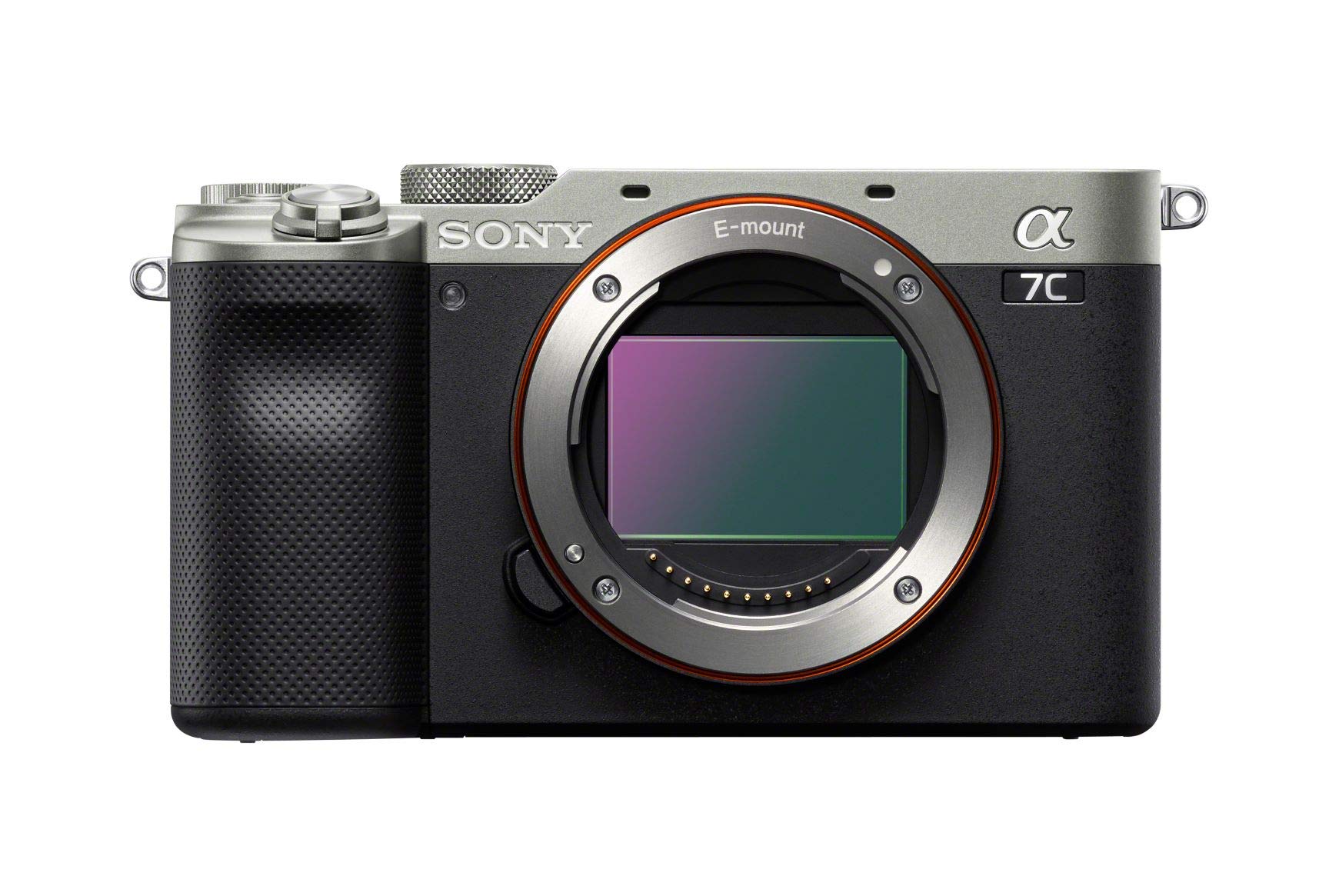
The Nikon Z7 II and Sony A7C are two compelling options in the full-frame mirrorless camera market, attracting photographers and videographers alike. Both models were released in 2020 and are considered excellent in their respective niches. The Z7 II is often chosen by those who prioritize high-resolution images and robust features, while the A7C appeals to those seeking a lightweight and compact design for travel and street photography. Their key differentiators lie in image quality, autofocus capabilities, and video performance.
Specifications Comparison
Detailed Comparison
Image Quality
The Nikon Z7 II boasts a remarkable 46-megapixel sensor which provides exceptionally high resolution for detailed landscapes and portraits. With the ability to capture more details, it's ideal for professionals who need large prints or extensive cropping options. The Z7 II also offers an ISO range of 64-25600, expandable to 32-102400, allowing it to perform better in low light conditions. On the other hand, the Sony A7C, with its 24-megapixel sensor, provides excellent image quality suitable for everyday photography but may not match the resolution capabilities of the Z7 II.
While the A7C has a wider native ISO range starting at 100 and expandable to 50-204800, its lower megapixels might result in slightly less detail-rich images compared to the Z7 II. However, in practical scenarios, many users might find the A7C's low-light performance sufficient for most purposes, especially considering the dynamic range offered by Sony sensors. Therefore, for sharpness and resolution, the Z7 II is the clear leader, but the A7C still delivers solid image quality for casual to intermediate photography.
Overall, for users who demand the best in image detail and quality, especially in a controlled studio or landscape setting, the Nikon Z7 II takes the win in this category.
Autofocus System
The autofocus systems in both the Nikon Z7 II and Sony A7C are impressive, but they shine in different ways. The Z7 II features 493 focus points which enable it to effectively track fast-moving subjects and adapt to various shooting situations. Its AF performance excels in lower light, leveraging the high-resolution sensor to lock focus quickly and accurately.
In contrast, the Sony A7C has an impressive 693 autofocus points, significantly outnumbering those of the Z7 II. This advantage allows the A7C to have better subject tracking capabilities and faster acquisition in dynamic scenes, which is a crucial feature for action and wildlife photographers. Both cameras utilize advanced phase detection and contrast detection, but the A7C's autofocus might be slightly better suited for fast-paced scenarios.
While both cameras provide reliable autofocus, the choice ultimately depends on the photographer's style. For those focusing on high-resolution subjects in controlled environments, the Nikon Z7 II may be favorable; however, for those needing rapid focus in changing scenes, the A7C provides a stronger performance.
Video Capabilities
When it comes to video capabilities, the Nikon Z7 II significantly stands out with its ability to shoot 4K at 60p, which is suitable for professional videography. This higher frame rate allows for smoother motion and better quality, particularly in action sequences and high-resolution projects. The Z7 II also supports 10-bit HDMI output, ensuring enhanced color grading flexibility in post-production.
Conversely, the Sony A7C offers 4K recording at 30p, which while still providing excellent quality, may not satisfy all users seeking maximum fidelity and frame rate for video projects. This difference can heavily influence decision-making between videographers who require higher frame rates for their work versus those who plan to use the camera for mainly casual video content.
For content creators and professionals in the video space, the Z7 II leads the charge with its superior video capabilities, while the A7C may serve adequately for vloggers or social media users.
Build & Ergonomics
In terms of build quality and ergonomics, both cameras are weather-sealed, making them robust enough for challenging conditions. The Z7 II is slightly bulkier, weighing 705g with dimensions of 134 x 101 x 70 mm, giving it a more substantial feel in hand which can imply enhanced durability and stability when shooting. This may be beneficial for lengthy photo sessions or when using larger lenses.
The Sony A7C, being considerably lighter at 509g and more compact at 124 x 71 x 60 mm, is designed for portability, making it ideal for travel and street photography where carrying less weight is a priority. However, the smaller grip might feel less comfortable for prolonged use, especially with larger lenses.
In this case, it boils down to personal preference: Those who prioritize durability and a more substantial feel may lean towards the Z7 II, while users who prioritize a lighter and more compact design might prefer the A7C. Thus, this category can be seen as subjective in terms of the specific user's needs.
Battery & Storage
When examining battery life, the Sony A7C has a clear advantage with a substantial rating of 740 shots per charge, making it a great option for long shooting sessions without frequent charging. The Nikon Z7 II, in contrast, offers battery life rated at 420 shots, which may necessitate carrying extra batteries for extended photoshoots or video projects.
Both cameras support the latest SD card formats, but the Z7 II's more professional target market means it may appeal to users needing higher performance storage solutions for large files such as 46MP images or 4K video at 60p. The A7C, while offering lower overall resolution, still benefits from compatibility with fast memory cards which are essential for 4K recording.
For those who prioritize long battery life and require less maintenance during shoots, the A7C takes the win here. However, both cameras provide sufficient storage options to handle their respective tasks, making this a closer category.
Value for Money
In terms of pricing, the Nikon Z7 II is notably more expensive at $2999, reflecting its high-end features and capabilities, particularly for professional photographers demanding high resolution and advanced video options. Given its specifications, it is positioned as a premium product and may deter casual users or beginners.
The Sony A7C, priced at $1799, presents a more approachable option for enthusiasts and beginners alike, offering strong performance without the premium price tag. Its balance of features, satisfactory resolution, and video capabilities makes it an enticing option for those new to full-frame photography.
Ultimately, the choice between the two will depend on how serious the user is about investing in their photography or videography. Though the Z7 II offers a lot of advanced features, the A7C represents a compelling value, particularly for beginner to intermediate users looking for quality in a more affordable package.
Our Verdict
By analyzing the sections, the Nikon Z7 II edges out the competition in terms of image quality and video capabilities, making it the ideal choice for professionals who require high resolution and advanced filming features. Meanwhile, the Sony A7C shines in autofocusing performance, battery life, and offers better overall value for those entering the full-frame market, or who value portability. Therefore, if sharp image quality and video performance are paramount, the Z7 II stands as the clear winner; however, for portability and budget-conscious buyers, the A7C is a worthy consideration.
Nikon Z7 II
Sony A7C
Also Compare
Frequently Asked Questions
Which camera is better for low-light photography?
The Nikon Z7 II generally offers better low-light performance due to its larger megapixel count and lower native ISO settings, providing it more flexibility in challenging environments.
Is the Nikon Z7 II worth the extra cost over the Sony A7C?
If your focus is on high-resolution images and advanced video features, the Z7 II's capabilities warrant the price. However, for casual shooters, the A7C offers many competitive features at a much lower price.
How do the two cameras compare for wildlife photography?
While both cameras are capable, the A7C may have an edge due to its superior autofocus system, making it more suitable for fast-moving wildlife, whereas the Z7 II excels in image detail.
Which camera is lighter and more portable?
The Sony A7C is the lighter and more compact option, making it easier to carry around, especially for travel or street photography.
Do these cameras have good video capabilities?
Yes, both cameras offer 4K video, but the Nikon Z7 II excels with 4K 60p support, making it better suited for high-quality video projects compared to the A7C's 4K 30p.