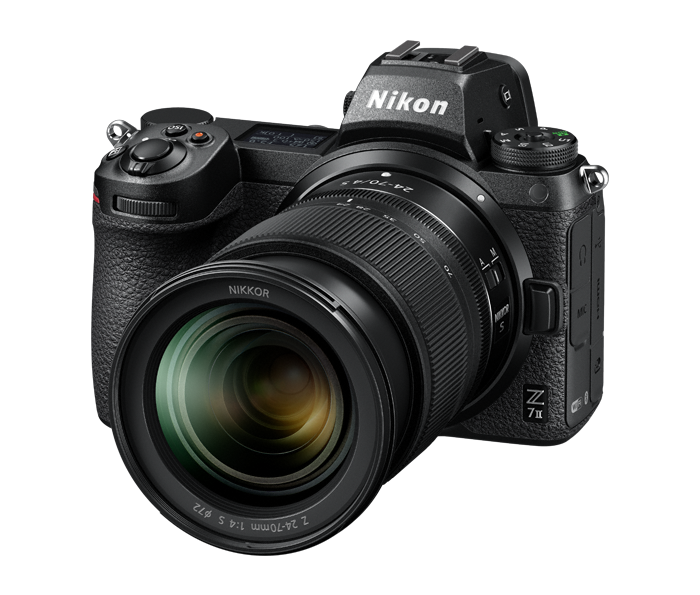
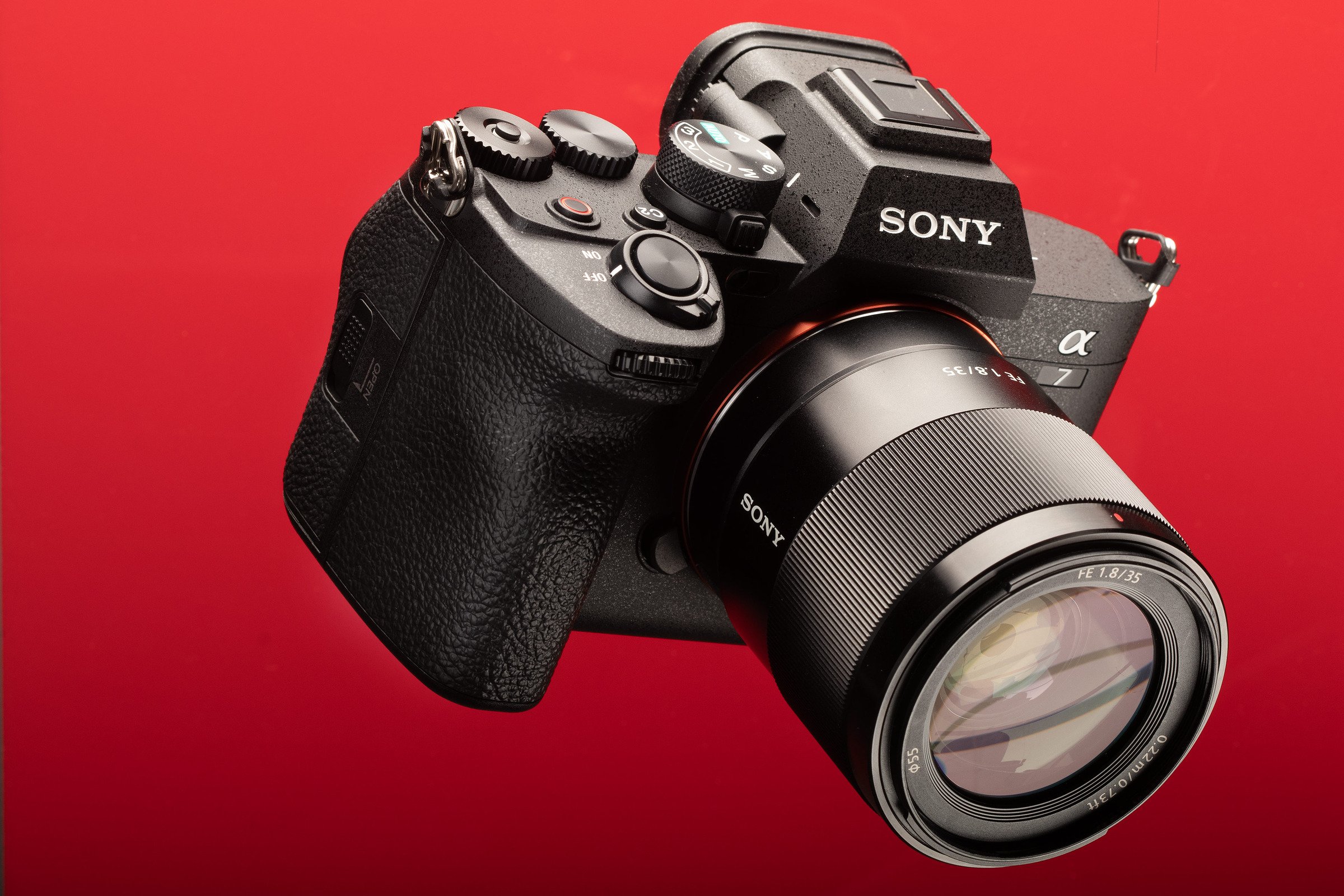
The Nikon Z7 II and Sony A7 IV are two of the most acclaimed full-frame mirrorless cameras available, often compared by photographers and videographers alike for their exceptional feature sets and performance capabilities. Both models target enthusiasts and professionals in the fields of portrait, landscape, and event photography. Buyers typically find themselves choosing between the high resolution of the Z7 II and the versatile capabilities of the A7 IV. Key differentiators include sensor resolution, autofocus technology, video performance, and ergonomics, which play a significant role in determining their suitability for various shooting styles.
Specifications Comparison
Detailed Comparison
Image Quality
The Nikon Z7 II boasts a remarkable 46-megapixel sensor, enabling it to capture extremely high-resolution images with exceptional detail, making it ideal for landscape and studio photography. In contrast, the Sony A7 IV features a 33-megapixel sensor, which, while slightly lower in resolution, still produces images of outstanding quality, particularly in low-light scenarios. The Z7 II offers an ISO range that extends to 102400, compared to Sony's maximum of 204800, providing more versatility in extreme lighting conditions. Regardless, both sensors deliver impressive dynamic range and color accuracy, which are critical for professional work.
When it comes to raw image processing, the Z7 II's higher megapixel count is a clear advantage for cropping and large prints, while the A7 IV's lower resolution may appeal to those prioritizing faster processing and storage. However, post-processing capabilities, when paired with software, allow both cameras to fine-tune image quality to meet specific needs. Overall, while both cameras excel in image quality, the Z7 II provides a higher resolution advantage, making the decision heavily reliant on the user's specific requirements for image detail versus speed.
Autofocus System
In terms of autofocus, the Sony A7 IV takes the lead with its advanced 759-point phase detection system and Real-Time Eye AF capabilities, which provide quick and accurate focusing on both human and animal subjects. This makes it particularly beneficial for fast-paced environments or wildlife photography. The A7 IV also offers features like touch focus and focus tracking, further enhancing its usability in dynamic scenarios.
On the other hand, the Nikon Z7 II has a robust autofocus system with 493 points, which offers decent tracking and subject recognition but falls slightly short compared to Sony's implementation. While the Z7 II performs admirably, users may find that in certain fast-moving situations, the A7 IV's more sophisticated autofocus algorithms yield quicker and more reliable results. Given these considerations, for users who prioritize rapid autofocus and subject tracking, the A7 IV offers a superior experience.
Video Capabilities
Both the Nikon Z7 II and Sony A7 IV are champions in the video department, offering 4K video recording up to 60p, but there are distinguishing features that may sway users toward one or the other. The Z7 II captures stunning 4K video with full sensor readout, offering excellent image quality without pixel binning. However, it lacks some of the advanced video features found in the A7 IV, such as full-frame 4K at higher frame rates or 10-bit internal recording.
The A7 IV steps up by providing 10-bit internal recording and advanced S-Cinetone color science, appealing to filmmakers seeking a higher level of post-production flexibility. Additionally, the A7 IV includes useful video features like the ability to switch between video and stills with ease and improved overheating performance during extended shoots. While both cameras offer professional-grade video capabilities, the A7 IV provides a more comprehensive suite of features for serious videographers.
Build & Ergonomics
Both the Nikon Z7 II and Sony A7 IV exhibit high-quality construction with weather-sealed bodies, making them durable for challenging environmental conditions. However, their ergonomics differ significantly; the Z7 II is slightly heavier and bulkier at 705g versus the A7 IV's 659g. Some users may prefer the more compact design of the A7 IV, which can contribute to ease of handling over prolonged shooting sessions.
Furthermore, the Z7 II offers a larger and higher-resolution display (3.2 inches at 2,100,000 dots) compared to the A7 IV's 3 inches with 1,036,800 dots. Regarding the viewfinder, both cameras feature electronic displays, but nuances in refresh rates and lag may affect user experience. Overall, while both models are well-built, the preference in ergonomics highly relies on personal comfort and handling preferences. Therefore, it's a tie in terms of build quality as it largely depends on individual users' hands-on experience.
Battery & Storage
When it comes to battery performance, the Sony A7 IV offers a longer battery life, providing around 580 shots per charge, whereas the Nikon Z7 II can capture about 420 shots. For users who prioritize extended shooting sessions without frequent battery changes, the A7 IV is significantly advantageous. Additionally, the A7 IV's compatibility with USB-C charging adds convenience, especially for on-the-go shooting.
Regarding storage options, both cameras support dual card slots, which is essential for professionals needing data redundancy or higher storage capacities. The Z7 II allows UHS-II cards, while the A7 IV offers compatibility with CFexpress Type A cards along with UHS-II SD cards, providing additional flexibility and speed for high-bitrate video recording. In terms of energy endurance and overall storage flexibility, the A7 IV outmatches the Z7 II.
Value for Money
In terms of pricing, the Nikon Z7 II comes in at $2999, whereas the Sony A7 IV is positioned at a more attractive $2499. Given that both cameras offer high-end features, users will need to balance their needs against their budgets. The Z7 II offers superior image quality, while the A7 IV provides enhanced video capabilities and battery life, which could justify the price difference depending on usage.
Both manufacturers provide a solid ecosystem of lenses and accessories, but users should consider the potential need for additional lenses based on their chosen system. For users primarily focused on stills or high-resolution imaging, the Z7 II represents a strong investment. Conversely, for those valuing versatility in both video and stills, the cheaper A7 IV presents excellent overall value. As such, the A7 IV has a stronger price-performance ratio, making it a preferred choice for budget-conscious purchasers looking for high-quality outputs across various mediums.
Our Verdict
Overall, the Sony A7 IV edges out the Nikon Z7 II in several critical aspects, particularly in autofocus, video capabilities, battery life, and value for money. While the Z7 II excels in still image quality due to its higher resolution sensor, the A7 IV provides a more well-rounded package for modern content creators seeking the best of both worlds. Photographers prioritizing resolution and still image capture may lean towards the Z7 II. However, for those who require versatile performance across photography and videography without exceeding a budget, the A7 IV stands out as the more compelling choice.
Nikon Z7 II
Sony A7 IV
Also Compare
Frequently Asked Questions
Which camera is better for sports photography?
The Sony A7 IV is elevated as a superior choice for sports photography due to its superior autofocus capabilities, which are essential for tracking fast-moving subjects effectively.
Is the higher megapixel count of the Z7 II worth it?
If your work involves large prints or extensive cropping in post-processing, the Z7 II's higher megapixel count is certainly advantageous. However, for typical uses, the A7 IV's 33 megapixels deliver great quality without the need for the highest resolution.
How do the video features compare?
The Sony A7 IV offers 10-bit internal recording and better overall video performance, making it a better choice for videographers compared to the Z7 II, which is limited to 8-bit internal recording.
Which camera has better low-light performance?
Both cameras perform exceptionally well in low-light conditions; however, the Z7 II's expanded ISO range allows for greater flexibility in extreme lighting scenarios.
Are both cameras good for landscape photography?
Yes, both cameras are suitable for landscape photography, but the Nikon Z7 II's higher resolution provides an added benefit for capturing intricate details and textures.