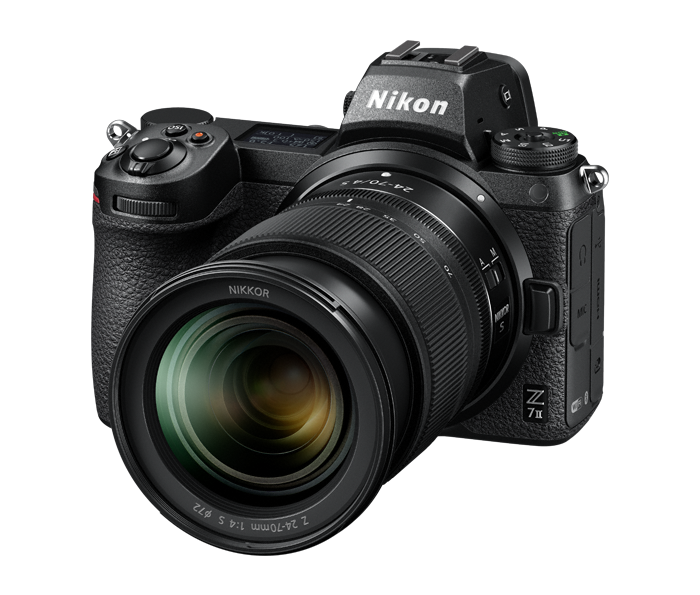
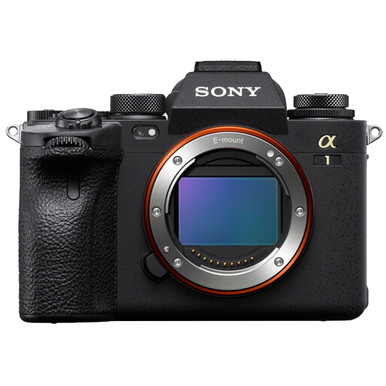
The Nikon Z7 II and Sony A1 are two of the most esteemed full-frame mirrorless cameras available on the market today. Both of these cameras aim to attract professional photographers and serious enthusiasts who require uncompromised image quality, excellent autofocus performance, and versatile video capabilities. Users might find themselves debating between these two models due to their premium specifications and somewhat similar price brackets, albeit with a notable difference in pricing. The Z7 II, launched in 2020, and the A1, released in 2021, embody the cutting-edge technology from their respective brands, making them worthy contenders in any serious comparison.
Specifications Comparison
Detailed Comparison
Image Quality
Both the Nikon Z7 II and Sony A1 offer exceptional image quality thanks to their full-frame sensors. The Z7 II's 46-megapixel sensor produces images with incredible detail, especially in landscape and portrait photography. Conversely, the A1 boasts a slightly higher 50-megapixel resolution, which provides even finer detail, especially useful for large prints or cropping into frames. The effective ISO ranges vary slightly, as the Z7 II's ISO can extend down to 64 and up to 102400, while the A1 starts from 100 and can reach the same high mark of 102400. However, while both cameras deliver impressive performance at high ISO settings, the A1's expanded ISO range may handle low-light situations slightly better due to the technology advancements made by Sony in recent years.
Autofocus System
Autofocus performance is crucial for both still photography and video, and here the Sony A1 has the edge. With 759 autofocus points compared to the Z7 II's 493, the A1 offers more comprehensive coverage and faster acquisition of focus with subjects. Moreover, the A1 features Real-Time Eye autofocus for both humans and animals, which is extremely beneficial for portrait and wildlife photographers. The Z7 II, although possessing a solid autofocus system, does not quite match the rapid fire performance of the A1's system, especially in fast-paced shooting conditions. If precise autofocus is paramount, the Sony A1 would be the better choice.
Video Capabilities
When comparing video features, the Sony A1 again takes the lead. It supports 4K video recording at up to 120p, a significant advantage for videographers looking for high-frame-rate options and smooth slow-motion footage. The Z7 II, on the other hand, is limited to 4K at 60p, which may be adequate for many users but falls short of the capabilities that the A1 provides. Both cameras support 10-bit external recording, but the A1's 4K 120p feature creates exciting possibilities for more creative video work. Ultimately, for those specifically focused on video, the A1 is the clear winner.
Build & Ergonomics
Both cameras are built to withstand the rigors of professional use with robust weather-sealed constructions. The Nikon Z7 II weighs slightly less than the A1, at 705g compared to 737g, which can be a consideration for photographers on long shoots. The Z7 II has a slightly larger 3.2-inch LCD screen with higher resolution at 2.1 million dots compared to the A1's 3-inch screen at 1.44 million dots. Additionally, many users appreciate the ergonomics of the Z7 II, with its deeper grip potentially offering better handling. However, the A1's size and weight make it a compact powerhouse for its performance level, which some photographers may prefer.
Battery & Storage
In terms of battery life, the Sony A1 has the upper hand with a CIPA rating of approximately 530 shots, while the Nikon Z7 II offers around 420 shots on a single charge. This extended battery life in the A1 makes it more accommodating for long shooting sessions without needing to switch out batteries frequently. Both cameras utilize their respective proprietary storage solutions, with the A1 supporting dual CFexpress Type A cards. The Z7 II supports dual card slots as well, but with a mix of CFexpress and SD cards, which may offer a slight edge in versatility but not necessarily speed. Therefore, when it comes to battery life and more advanced storage options, the A1 stands out.
Value for Money
Price is a significant factor when evaluating these two models. The Nikon Z7 II is priced at $2999, making it a more accessible option for many photographers, especially those who may not require the extreme performance of the A1. While the A1's higher price of $6500 can be justified by its advanced specs and superior performance, it might deter casual users or those on a budget. For photographers prioritizing value over advanced specifications, the Z7 II provides a compelling combination of features that deliver exceptional performance without the premium price tag associated with the A1.
Our Verdict
In this rigorous comparison, the Sony A1 emerges as the overall winner, thanks largely to its superior autofocus system, exceptional video capabilities, and enhanced battery life. These features make it a top contender for professional photographers and videographers looking for the absolute best in full-frame mirrorless technology. However, the Nikon Z7 II holds its ground commendably, especially regarding image quality, ergonomics, and value for money, making it an excellent choice for enthusiasts and photographers who may not need the extensive features of the A1. Each of these cameras excels in varying scenarios, solidifying their positions as top-tier choices in the mirrorless landscape.
Nikon Z7 II
Sony A1
Also Compare
Frequently Asked Questions
Which camera is better for low-light photography?
Both cameras handle low-light situations well, but the Sony A1 may have a slight advantage with its overall better high-ISO performance and autofocus in low light.
Can both cameras shoot 4K video?
Yes, both cameras can shoot 4K video, but the Sony A1 can shoot at up to 120p, while the Z7 II is limited to 60p.
Is the Nikon Z7 II cheaper than the Sony A1?
Yes, the Nikon Z7 II is priced at $2999, making it significantly more affordable than the Sony A1, which retails for $6500.
Which camera is better for fast action photography?
For fast action photography, the Sony A1 would be the better choice due to its faster burst rate of 30 frames per second and superior autofocus tracking capabilities.
How does battery life compare between the two cameras?
The Sony A1 has better battery life than the Nikon Z7 II, rated for approximately 530 shots versus the Z7 II's 420 shots.