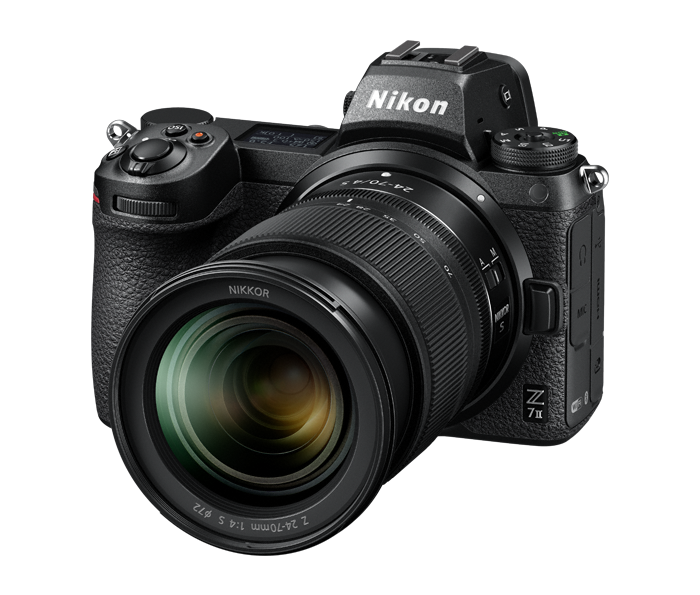
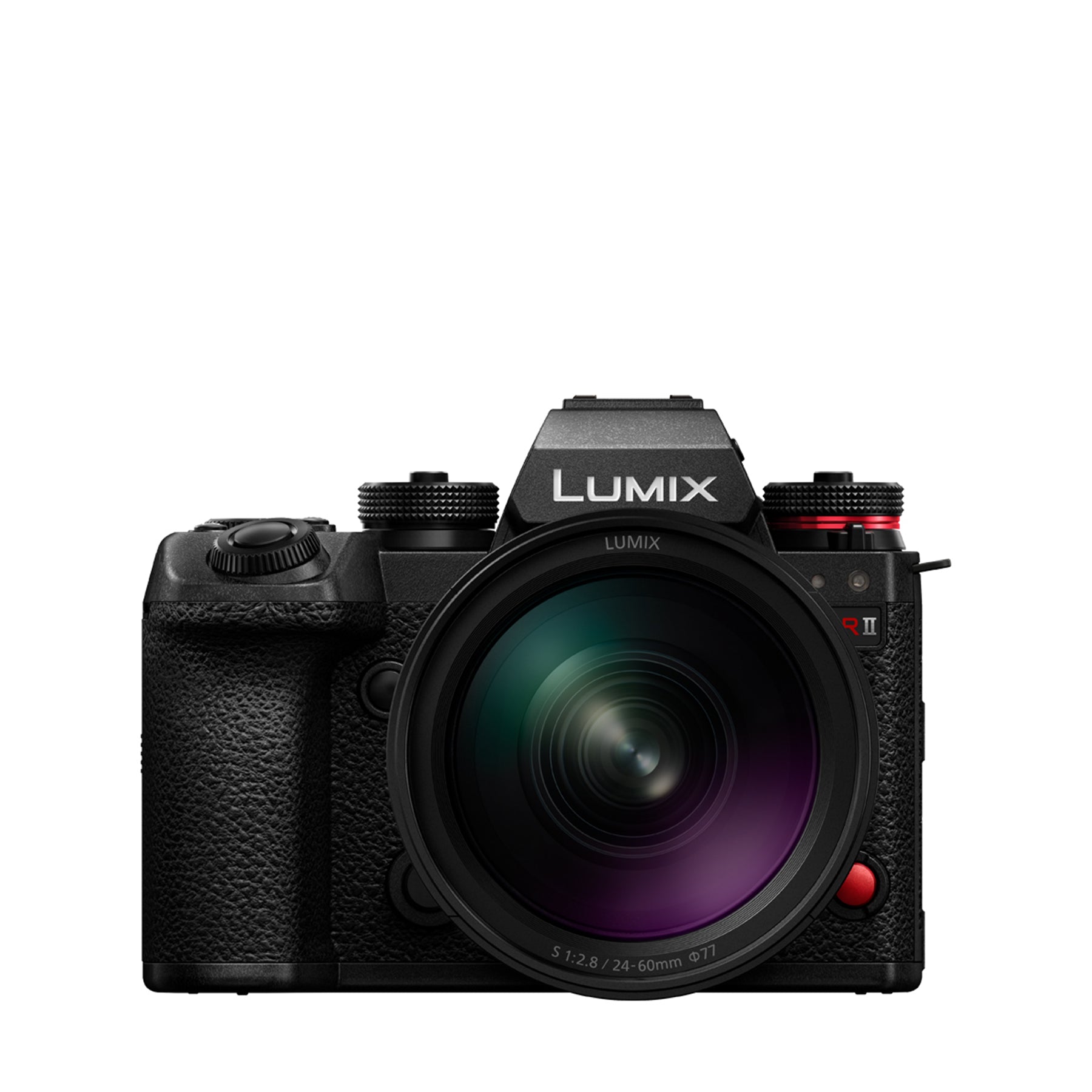
The Nikon Z7 II and the Panasonic S1R II are two high-end mirrorless cameras that cater to professional photographers and serious enthusiasts alike. They each boast impressive specifications and performance capabilities that frequently create a rivalry among buyers, particularly those who prioritize image quality, autofocus performance, and video features. The Z7 II, launched in 2020, focuses heavily on delivering exceptional still image resolution and a user-friendly interface, while the S1R II, despite its recent release, aims to capture attention with superior video capabilities and fast burst shooting, making it attractive for a diverse array of shooting conditions. As such, potential buyers must often weigh their specific needs against the strengths of each model to determine their optimal choice.
Specifications Comparison
Detailed Comparison
Image Quality
When it comes to image quality, both the Nikon Z7 II and the Panasonic S1R II offer outstanding performance, with the Z7 II featuring a full-frame sensor of 46 megapixels, slightly outpacing the S1R II's 44.3 megapixels. This increased resolution in the Z7 II can provide more detail especially in larger prints and cropping scenarios. However, the S1R II's broader dynamic range and depth of color, aided by its robust image processing systems, often compensate for the lower megapixel count. Moreover, the ISO range of the Z7 II, which spans from 64-25600 and can be expanded to 32-102400, gives it the upper hand in low-light conditions compared to the S1R II's performance which is slightly more limited. This makes the Z7 II particularly desirable for photographers who shoot in varied lighting conditions, while the S1R II excels in controlled settings where high dynamic range is paramount.
Autofocus System
The autofocus systems of both cameras are highly capable, but they address different requirements of users. The Nikon Z7 II features a sophisticated 493-point autofocus system, which covers a larger area of the frame and utilizes advanced technologies such as eye-detection focusing. This can be particularly beneficial for portrait photographers and those who require fast and accurate tracking of subjects. On the other hand, the Panasonic S1R II, while boasting a quicker max frame rate of 40 fps, utilizes a dual-axis focusing system that may fall slightly short in practical subject tracking, especially for moving subjects. Therefore, while the S1R II may benefit sports or wildlife photographers due to its speed, the Z7 II's precision and versatility in various shooting scenarios arguably provide a greater advantage overall.
Video Capabilities
In terms of video capabilities, the Panasonic S1R II significantly outshines the Nikon Z7 II. The S1R II supports 8K video recording at 30 frames per second and has the ability to record 4K at 120 frames per second, catering perfectly to videographers seeking high-resolution options and slow-motion capabilities. The Nikon Z7 II, on the other hand, is limited to 4K recording at 60p, which, while powerful, does not meet the highest demands of videomakers who require extensive resolution and frame rate versatility. Therefore, for professionals aiming to create high-end video content, the S1R II is the clear choice ahead of the Z7 II, making it the winner in this category.
Build & Ergonomics
Both the Nikon Z7 II and Panasonic S1R II prioritize robust build quality and ergonomics, featuring weather-sealed bodies that cater to photographers who work in challenging environmental conditions. The Z7 II is slightly lighter, at 705 grams, and offers a more compact design, which may appeal to those seeking portability. Contrastingly, the S1R II provides a more substantial feel, which some photographers prefer for better grip and stability, especially with larger lenses. Both models feature electronic viewfinders and high-resolution screens, but the Z7 II offers a slightly higher dot count on its 3.2-inch screen, leading to crisper image previews. This consideration often comes down to personal preference in terms of weight versus ergonomics.
Battery & Storage
Battery life is a key consideration for any photographer, and the Z7 II excels with an impressive rating of 420 shots per charge, which is beneficial for long shooting days without the need for frequent recharging. The Panasonic S1R II, although it doesn't disclose the same level of battery performance, often requires periodic charging due to its higher consumption rates linked to its video capabilities. On the storage front, both cameras feature dual card slots, with the Z7 II being compatible with CFexpress and SD memory cards, enhancing versatility in terms of performance and storage capacity. This flexibility can prove advantageous for users looking to maximize their shooting efficiency and ensure that all files are safely backed up during sessions.
Value for Money
With a price point of $2999, the Nikon Z7 II delivers a higher effective value given its robust features, especially for still photographers. The fine balance of resolution, ergonomics, and battery life makes it a compelling offer for those focusing primarily on photography. In contrast, while the S1R II's capabilities justify its price for video creators and highly dynamic environments, it comes at a premium that reflects its specific advantages. Consequently, photographers purely interested in stills may find the investment in the Z7 II to be more justifiable, but for videographers, the S1R II provides significant value in terms of video versatility, attempting to balance the overall value proposition across various user needs.
Our Verdict
Overall, the Nikon Z7 II emerges as the stronger contender, particularly for photographers seeking exceptional image quality, reliable autofocus, and impressive battery life. It firmly addresses the needs of still photographers with its high-resolution sensor and effective handling of varied lighting conditions. In contrast, the Panasonic S1R II offers significant advantages for those focused on advanced video production, making it a more fitting choice for videographers demanding high frame rates and resolutions. Prospective buyers should evaluate their primary use cases to determine which model aligns better with their photographic styles and professional requirements.
Nikon Z7 II
Panasonic S1R II
Also Compare
Frequently Asked Questions
Which camera has better low light performance?
The Nikon Z7 II generally offers better low light performance due to its wider ISO range allowing for lower noise in darker environments.
Is the video quality better in Nikon Z7 II or Panasonic S1R II?
The Panasonic S1R II has superior video quality, supporting 8K video recording and higher frame rates compared to the Nikon Z7 II's 4K limitations.
Which camera is more suited for sports photography?
While both cameras have capabilities for sports photography, the Nikon Z7 II's autofocus system provides more precision, making it preferable for tracking fast-moving subjects.
What are the key advantages of each camera?
The Nikon Z7 II excels in still photography with high resolution and battery life, while the Panasonic S1R II is ideal for video creators needing 8K and high frame rates.
How do the lenses and accessories compare?
Both cameras have evolving lens ecosystems, but the Nikon Z mount generally offers a wider variety of native lenses at this time, while Panasonic's L-Mount system is growing but may have fewer options.