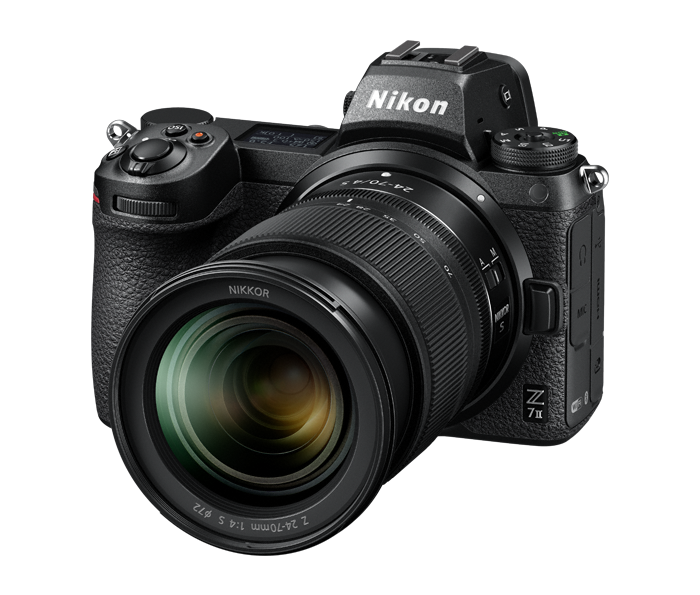
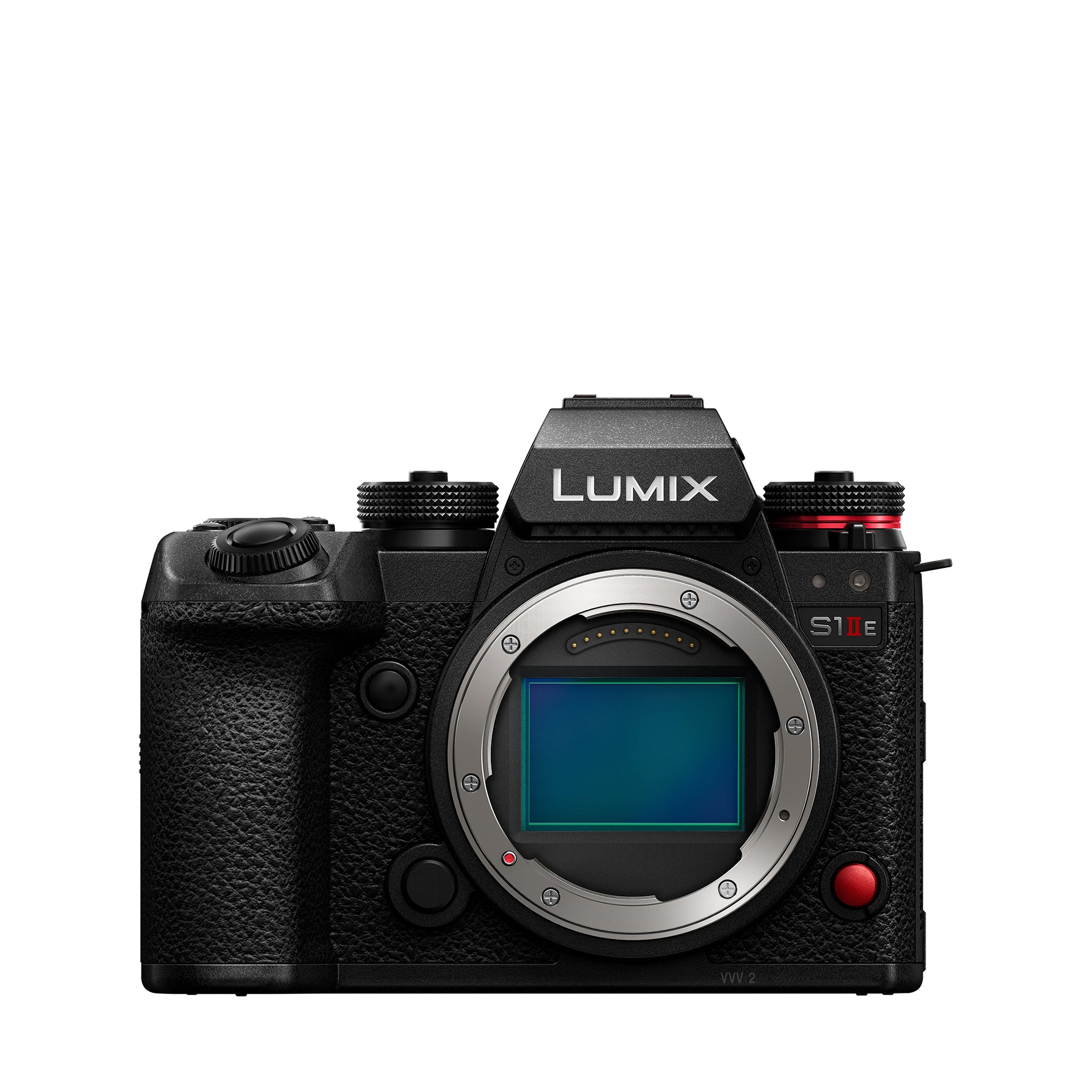
The Nikon Z7 II and the Panasonic S1 II E are two compelling full-frame mirrorless cameras that cater to photographers and videographers looking for high-quality imaging capabilities. They each appeal to different segments of the market, with the Z7 II appealing to professionals and enthusiasts seeking high resolution and exceptional image quality, while the S1 II E is aimed at creators who prioritize advanced video capabilities alongside solid still photography. This comparison delves into the key differentiators, such as image quality, autofocus, video performance, and build quality-factors essential for anyone considering an upgrade or a new purchase.
Specifications Comparison
Detailed Comparison
Image Quality
The Nikon Z7 II boasts a remarkable 46 megapixels, significantly surpassing the 24.1 megapixels found in the Panasonic S1 II E. This higher resolution allows the Z7 II to capture finer details and is ideal for large prints or cropping into images without losing quality. The full-frame sensor in the Z7 II also performs admirably in low-light conditions, with an impressive ISO range extending from 64 to 25600 (expandable up to 102400), making it suitable for various shooting environments. In contrast, the S1 II E offers solid performance but may not deliver the same level of detail in high-resolution scenarios.
Autofocus System
The Nikon Z7 II features an advanced hybrid AF system with 493 focus points, providing excellent coverage and accuracy across the frame. This extensive focus point array is particularly beneficial for tracking moving subjects and ensuring precise focus in various shooting conditions. The Panasonic S1 II E, while offering competitive autofocus performance, has fewer focus points and may fall slightly behind in real-time tracking during fast-paced photography. Therefore, the Z7 II's autofocus system is more appealing for action and wildlife photographers who require fast and reliable focusing.
Video Capabilities
In the realm of video, the Panasonic S1 II E takes the lead with impressive specifications like 5.9K video recording at 60 frames per second and 4K at up to 120 frames per second. This range of options provides filmmakers with a variety of high-resolution recording capabilities that can suit different project needs. The Nikon Z7 II, while offering solid video performance with 4K at 60 frames per second, does not match the video versatility of the S1 II E. For video creators and those valuing high frame rates and resolutions, the S1 II E is the clear winner in this category.
Build & Ergonomics
Both cameras are built to withstand the rigors of professional use, featuring weather sealing that makes them durable in challenging environments. The Nikon Z7 II has a slightly more compact design, making it easy to carry during long shoots, yet it weighs a considerable 705 grams. The S1 II E is also robust in build but maintains a bulkier form factor that some users may find less comfortable for extended handheld use. Ergonomically, both offer a good grip, but personal preference in handling might sway a buyer towards one or the other depending on their familiarity with the camera size and button layout.
Battery & Storage
The Nikon Z7 II offers a respectable battery life of approximately 420 shots on a single charge, which is quite efficient for a camera in its class. This longevity is an advantage for photographers who may spend extended periods shooting without the luxury of swapping batteries frequently. The Panasonic S1 II E, while providing decent battery life, doesn't specify its shot count, putting the Z7 II at a slight advantage in terms of operational efficiency. Additionally, both cameras support XQD and SD card formats, ensuring users have a variety of storage options.
Value for Money
With a price point of around $2999, the Nikon Z7 II represents a solid investment for those primarily focused on high-resolution photography, offering considerable performance for still images. The S1 II E, while potentially priced similarly, adds significant value for videographers due to its advanced video capabilities. Depending on the user's specific needs-whether they prioritize still photography or cinematography-either camera can be deemed a worthwhile investment, leading to a somewhat balanced appeal in terms of overall value. However, for still photography, the Z7 II's high megapixel count and image quality might tip the scales in its favor.
Our Verdict
Overall, the Nikon Z7 II emerges as the winner in this comparison, primarily due to its superior image quality, extensive autofocus capabilities, and solid battery performance, making it an excellent choice for photographers focused on high-resolution still imagery. In contrast, the Panasonic S1 II E excels in video performance, appealing to creators who prioritize advanced videography features. Ultimately, buyers should consider their specific needs: choose the Z7 II for outstanding photo quality and versatility, while the S1 II E is a superb option for those who require extensive video capabilities.
Nikon Z7 II
Panasonic S1 II E
Also Compare
Frequently Asked Questions
Which camera is better for landscape photography?
The Nikon Z7 II is better for landscape photography due to its higher resolution and excellent low-light performance, allowing for detailed captures of vast scenes.
How do both cameras perform in low light?
The Z7 II has a more extensive ISO range, making it a superior choice for low-light situations. However, the S1 II E still performs reasonably well, suitable for moderate low-light photography.
Which camera is more suited for video work?
The Panasonic S1 II E is more suited for video work, offering higher video resolutions and frame rates, which greatly appeal to filmmakers.
What is the weight difference between the two cameras?
The Nikon Z7 II weighs 705 grams, while the Panasonic S1 II E is generally heavier, which may affect portability and long-term handheld comfort.
Are the lenses compatible with both models?
No, the cameras use different mounts: Nikon Z mount for the Z7 II and L mount for the S1 II E. Therefore, lenses are not interchangeable between the two.