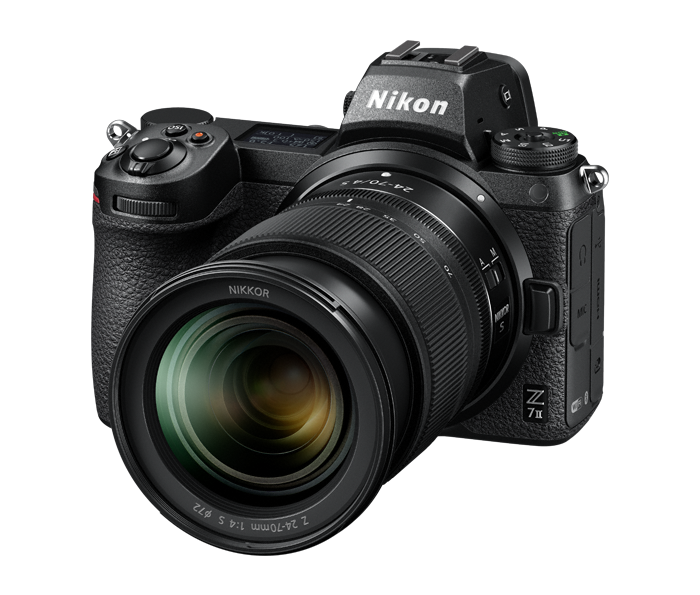
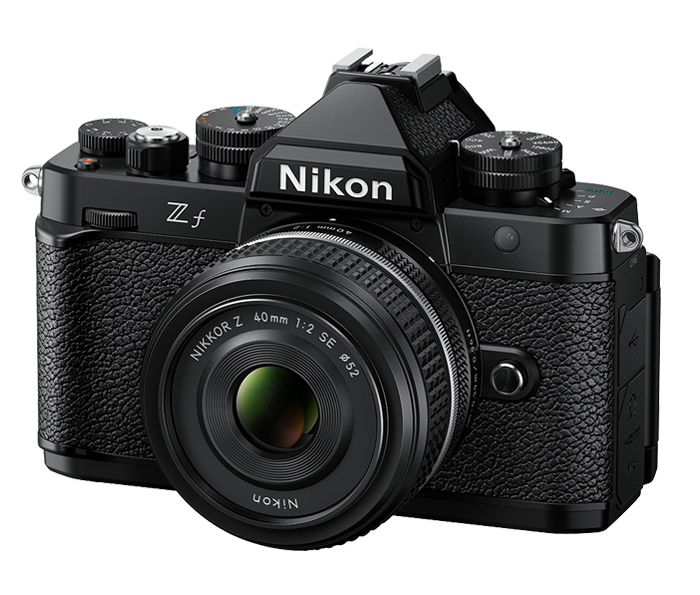
The Nikon Z7 II and Nikon Zf are two remarkably compelling mirrorless cameras in Nikon's lineup, attracting the attention of both enthusiasts and professionals alike. While both cameras share a common camera mount and a similar full-frame sensor format, they cater to different photographers' demands. The Z7 II appeals to those prioritizing high resolution, superior autofocus capabilities, and robustness, whereas the Zf focuses on a more user-friendly experience with innovative controls and a lower price point. This comparison will help potential buyers decide which camera fits their photography style and needs.
Specifications Comparison
Detailed Comparison
Image Quality
The Nikon Z7 II offers a stunning 46-megapixel sensor that leads to highly detailed images, making it ideal for landscape, portrait, and commercial photography. This high-resolution sensor not only produces large prints but also provides extensive cropping flexibility without significant loss of detail. In contrast, the Nikon Zf's 25-megapixel sensor, while still capable of excellent image quality, may not satisfy those needing maximum detail for larger projects. However, for most general photography needs, including travel and casual use, the Zf's image quality is still impressive. The Z7 II's higher resolution does come with the potential for increased file sizes, which could affect storage efficiency for some users. In low light scenarios, the Z7 II's better overall resolution may play a role in capturing fine textures. Thus, the advantages in image quality distinctly favor the Z7 II without diminishing the Zf's capability to produce pleasing images.
Autofocus System
The autofocus system in the Nikon Z7 II features 493 focus points, allowing for more complex focus tracking and accuracy in various shooting conditions. This extensive coverage means that photographers can focus quickly and accurately, even on moving subjects. On the other hand, the Zf employs a 273-point autofocus system that, while still effective for most scenarios, does not match the Z7 II's capability. The Z7 II's advanced eye-detection and face-detection autofocus significantly benefit portrait photographers, while its overall superior coverage benefits action shots as well. However, the Zf's autofocus can still perform admirably for general use and within its supported scenarios, making it suitable for many everyday photographers. Therefore, while both cameras offer solid autofocus systems, the Z7 II is superior in this respect.
Video Capabilities
Both the Nikon Z7 II and Zf offer 4K video recording at 60 frames per second, appealing to videographers who require high-quality motion capture. The Z7 II supports 10-bit internal recording via HDMI, which extends its capabilities for professional video workflows. It also benefits from superior thermal management, allowing for longer recording sessions. In contrast, the Zf, while still offering strong video performance, comes with fewer advanced options for professionals, potentially limiting creative flexibility. That said, for content creators focused on casual video projects, both cameras deliver excellent results. While neither one stands out decisively in terms of video output, the Z7 II's additional features and performance during extended recording sessions give it the edge despite both offering 4K at similar quality.
Build & Ergonomics
The Z7 II and Zf share similar electronic viewfinders and 3.2-inch screens with a resolution of 2,100,000 dots, ensuring a consistent user interface. The Z7 II has a more robust and weather-sealed body designed for professional use in challenging conditions, weighing slightly less at 705 grams, compared to the Zf's 710 grams. However, the Zf is slightly bulkier in dimensions due to its vintage-inspired controls and layout, which some photographers may find appealing for managing settings directly. Both cameras are constructed solidly, but for those who often work in adverse environments, the Z7 II's weather sealing and build quality are more suitable. Overall, while both designs cater to different stylistic preferences, the Z7 II stands out for its durability.
Battery & Storage
Battery life is another critical differentiator, with the Z7 II rated for approximately 420 shots per charge, which is more competitive when considering longer shooting sessions or events. The Zf, however, holds up well too, with a slightly lower rating of around 380 shots. Both models utilize the same battery type, meaning users can interchange batteries if they own both models. Storage-wise, both cameras support dual card slots, which is advantageous for redundancy and extended storage options, particularly for professional use. Therefore, while both cameras can manage storage effectively, the Z7 II takes the lead in battery performance, making it more reliable for prolonged usage.
Value for Money
Price is a significant factor when deciding between these two models, with the Zf priced at $1999, making it more accessible for hobbyists and those entering the full-frame market. On the opposite end, the Z7 II, priced at $2999, represents a higher investment that caters primarily to serious enthusiasts and professionals needing advanced features. The Zf offers a solid performance and many premium features that can meet the demands of most users without the heftier price tag. However, for those looking for ultimate performance in image quality, autofocus, and durability, the Z7 II presents a justified investment. Ultimately, it depends on the user's specific circumstances and what features they prioritize when determining their value for money.
Our Verdict
In the head-to-head comparison, the Nikon Z7 II emerges as the overall winner due to its superior image quality, autofocus system, and video capabilities, all of which cater to serious photographers and videographers. However, the Nikon Zf should not be overlooked-its affordability and ease of use make it an excellent option for enthusiasts and casual shooters. Pros looking for high resolution and performance will find the Z7 II more aligned with their needs, while those ready to transition into the full-frame system at a lower cost may prefer the Zf. Both cameras have their respective strengths, but for overall performance in professional environments, the Nikon Z7 II takes precedence.