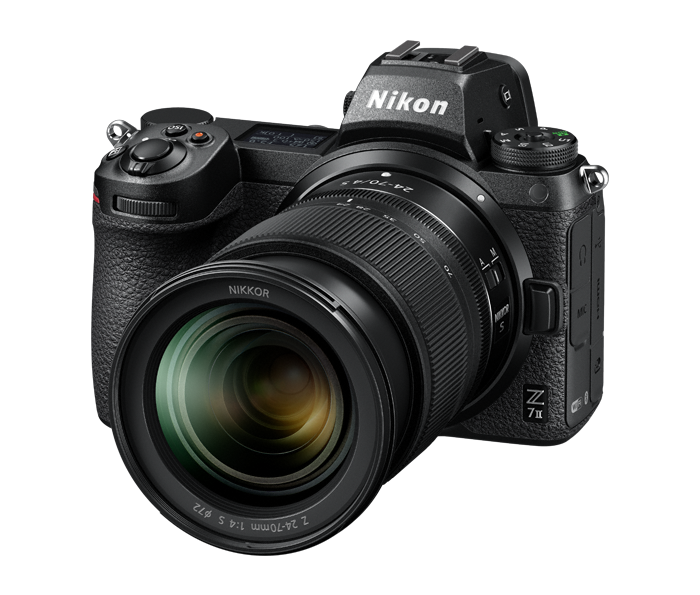
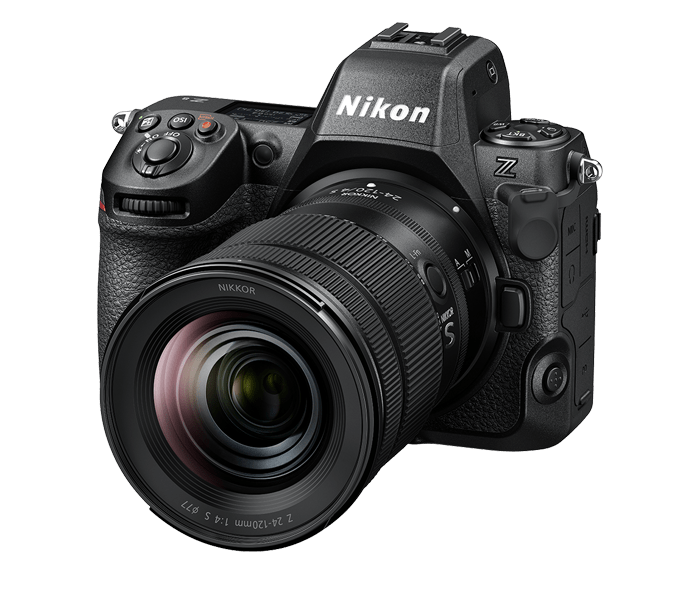
The Nikon Z7 II and the Nikon Z8 are two high-performance full-frame mirrorless cameras from Nikon, often compared due to their similarities in sensor technology and target audience. Both cameras cater to photographers and videographers who require high resolution, fast performance, and advanced features. However, the Z8, released in 2023, comes with several upgraded features that enhance its usability in various shooting scenarios, while the Z7 II remains a competitive option that provides excellent value for those who may not need cutting-edge capabilities.
Specifications Comparison
Detailed Comparison
Image Quality
Both the Nikon Z7 II and Z8 utilize a full-frame sensor with a resolution of 46 megapixels, ensuring outstanding image quality and detail. The Z7 II's sensor captures images with remarkable clarity and dynamic range, making it ideal for landscape and portrait photographers. On the other hand, the Z8, while featuring the same megapixel count, may perform slightly better in low-light situations due to its advancements in image processing. Macro and fine detail work will be equally served by both cameras, as they share similar sensor designs, but the Z8's updated image engine may provide an edge in color reproduction and noise control at higher ISO settings.
Autofocus System
Both the Z7 II and Z8 are equipped with an impressive 493-point autofocus system, ensuring precise focus tracking. However, the Z8 benefits from improved autofocus technology, potentially offering faster subject acquisition and tracking due to its newer processing capabilities. In practical terms, this means that the Z8 could be more efficient when capturing moving subjects, such as in sports or wildlife photography. Though both cameras provide excellent autofocus performance, the Z8's enhancements make it a stronger contender for action-oriented photographers.
Video Capabilities
When it comes to video recording, the Nikon Z8 outshines the Z7 II significantly. The Z7 II offers 4K video recording at 60p, which is suitable for most casual and professional applications. In contrast, the Z8 elevates this experience to 4K recording at 120p, allowing for high frame rate capture that is perfect for slow-motion footage. The Z8 also benefits from improved heat management, enabling longer recording times without the risk of overheating, making it a better option for videographers looking to shoot extended clips or events. Simply put, if videography is a priority, the Z8 is decisively the better choice.
Build & Ergonomics
Both cameras feature robust weather-sealing, ensuring durability under challenging conditions, but the Z8 is slightly bulkier and heavier at 910g compared to the Z7 II's 705g. While some users may prefer the more compact design of the Z7 II for lightweight portability, others might appreciate the heft of the Z8 for stability, particularly when using heavier lenses. The ergonomics of both models are well-designed, with intuitive button layouts and a comfortable grip that cater to extended shooting sessions. Ultimately, it comes down to personal preference between a more portable design and a sturdier feel.
Battery & Storage
In terms of battery performance, the Nikon Z7 II delivers a slightly better lifespan, rated for approximately 420 shots compared to the Z8's 340 shots. This can be a critical factor for photographers who spend long days away from charging facilities. Both cameras share similar storage options, supporting dual card slots which is advantageous for professionals who require redundancy when shooting high-resolution images. While the Z8's advanced capabilities may result in higher power consumption during intensive tasks, both models are well-suited for a variety of shooting environments depending on the user's workflow.
Value for Money
The Nikon Z7 II, priced at $2999, stands as a more economical choice for those who want impressive image quality and solid performance without breaking the bank. It offers many of the core features found in the Z8 but without the more advanced video options and autofocus refinements. On the other hand, the Z8, priced at $3999, offers an array of enhancements that can justify the higher price point for professionals and avid enthusiasts who require the latest technology. While the Z7 II provides excellent value, the additional investment in the Z8 can translate to improved results in demanding scenarios, making it a worthier consideration for serious photographers and videographers.
Our Verdict
While both the Nikon Z7 II and the Z8 offer outstanding performance and features suited for a range of photographic applications, the Z8 is the overall winner due to its superior video capabilities, enhanced autofocus system, and advanced processing technology. The Z7 II, however, remains a compelling choice for those who prioritize portability and cost savings, delivering excellent image quality and decent performance for various photography tasks. Ultimately, the choice will depend on whether a user prioritizes high-end video features and advanced autofocus over the savings and lighter body of the Z7 II.
Nikon Z7 II
Nikon Z8
Also Compare
Frequently Asked Questions
Is the Z8 worth the extra cost over the Z7 II?
If you heavily engage in videography or require improved autofocus performance, the Z8 justifies its higher price with superior features that cater to these needs.
Which camera is better for landscape photography?
Both cameras are excellent for landscape work due to their high resolution. The choice may boil down to weight and portability, in which case the Z7 II would have an edge.
How does low-light performance compare between the two models?
While both perform well, the Z8's updated processing may provide slight improvements in noise reduction at higher ISO settings, making it a better choice for low-light scenarios.
Can I use the same lenses on both cameras?
Yes, both the Z7 II and Z8 share the Nikon Z mount, allowing for full lens compatibility across each model.
Is the Z8 heavier than the Z7 II a dealbreaker?
While the Z8 is heavier, it offers additional stability which can benefit certain shooting styles. If portability is crucial to you, the lighter Z7 II may be more appealing.