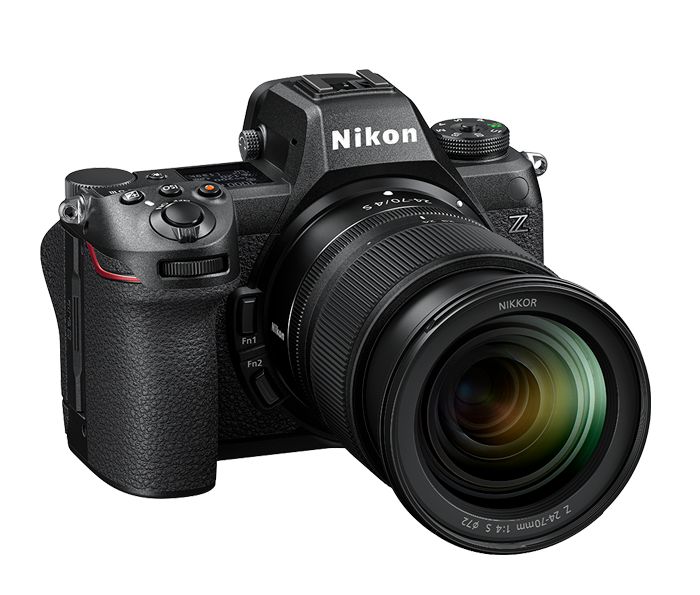

The Nikon Z6III and Sony A9 III are two prominent full-frame mirrorless cameras that attract professional photographers and enthusiasts alike. Both models come from reputable brands known for their innovative technology and high-quality imaging, making them top contenders in the market. Typically, buyers might find themselves choosing between these two models based on their unique needs, whether it be fast action photography, versatility, or low-light performance. Key differentiators such as burst shooting speed, autofocus capabilities, and video features will play crucial roles in influencing buyer decisions.
Specifications Comparison
Detailed Comparison
Image Quality
Both the Nikon Z6III and the Sony A9 III feature a full-frame sensor with a resolution of 25 megapixels. This ensures high image quality, good detail retention, and performance across various conditions. However, since the Z6III has a more extensive ISO range (100-64000) compared to the Sony A9 III, which might have a less specified ISO range but is known for its excellent high-ISO performance, there may be subtle differences in image quality during low-light conditions. In practice, the Nikon may yield cleaner images at higher ISO settings for those who frequently shoot in dim environments, giving it a slight edge in versatility for low-light situations. The color science is distinct between both brands - Nikon tends to produce warmer tones, while Sony often has a cooler palette, which can also affect the overall feel of the images.
Autofocus System
The autofocus system is crucial for both photographers and videographers, particularly in fast-paced shooting scenarios. The Sony A9 III outperforms the Z6III in this regard, boasting a rapid 120 frames per second maximum shooting speed and advanced AI-based subject tracking that makes it ideal for sports and wildlife photography. In contrast, while the Z6III's 273 autofocus points are robust and perform admirably, its burst rate of 20 fps is significantly overshadowed by the A9 III. This difference gives the A9 III a clear advantage, especially for capturing fleeting moments with precision. Photographers seeking the best autofocus capability for dynamic situations should favor the A9 III.
Video Capabilities
When it comes to video, the Sony A9 III shows superior capabilities with its ability to shoot 4K at 120 fps, which is essential for high frame rate slow-motion footage. The Z6III, while competent with its video features, does not match this frame rate and can be limited in certain video scenarios. Both cameras possess in-body stabilization (8 stops), helping to produce smooth footage, but the A9 III's overall video performance, particularly in high-speed scenarios, makes it more appealing for videographers. Those heavily invested in video recording will likely find the A9 III to better meet their needs.
Build & Ergonomics
In terms of physical characteristics, the Nikon Z6III weighs slightly more at 760g compared to the Sony A9 III's 617g, which may be a consideration for photographers looking for a lighter rig during extended shooting sessions. Both cameras offer excellent build quality, including weather sealing, which is crucial for outdoor photographers. The Z6III has a slightly larger grip and more intuitive button layout, which can enhance usability. However, the compact size of the A9 III can be advantageous for travel and mobility. Ultimately, the choice might come down to personal preference in handling and ergonomics.
Battery & Storage
Battery life is an essential consideration for photographers spending long days in the field. The Nikon Z6III offers a battery life of approximately 380 shots, providing robust performance throughout the day. On the other hand, the A9 III is designed for higher performance, which often demands more energy, yet retains a commendable battery life for its specs. The Z6III's battery life could be better for those who are not using continuous high burst rates but may require more frequent battery changes if shooting heavily in high-performance modes. Both cameras support dual memory card slots, offering flexibility in storage options, although the Z6III's configuration may be more favorable for photographers focused on long-duration shoots.
Value for Money
The pricing structures of these two cameras also warrant discussion. The Nikon Z6III has a retail price of around $2500, placing it in a competitive range for full-frame mirrorless options. Given its capabilities, especially for low-light photography, it presents substantial value for those focused on still images. The A9 III has a higher price point, justifying its cost with superior autofocus, faster burst rates, and exceptional video capabilities. For buyers looking for the best of high-speed performance and advanced tracking, the A9 III may prove worth the extra expenditure. In contrast, for those prioritized on stability and image quality, the Z6III makes for an excellent investment.
Our Verdict
Both the Nikon Z6III and Sony A9 III have their strong suits, which cater to different types of photographers. The Z6III shines in image quality, battery life, and overall value for photographers primarily focused on still images. In contrast, the A9 III is the unbeatable champion for high-speed photography, autofocus capabilities, and video performance. Ultimately, the decision depends on individual preferences and shooting needs, and each camera serves distinct markets effectively.
Nikon Z6III
Sony A9 III
Also Compare
Frequently Asked Questions
Which camera is better for low light photography?
The Nikon Z6III has a wider ISO range and excels in low-light conditions, making it the preferable choice for photographers who often work in dimly lit environments.
What about video quality and performance?
The Sony A9 III is superior in video performance, capable of shooting 4K at 120 fps, ideal for videographers looking for high frame rate capabilities.
Is the autofocus system better in one model?
Yes, the Sony A9 III has a more advanced autofocus system with faster performance, which is highly beneficial for capturing action shots.
How do the sizes and weights compare?
The Nikon Z6III is heavier and slightly larger than the Sony A9 III, which could be a consideration for those prioritizing portability.
Which camera offers better battery life?
The Nikon Z6III provides a longer battery life at around 380 shots, making it more suitable for extended shooting sessions.