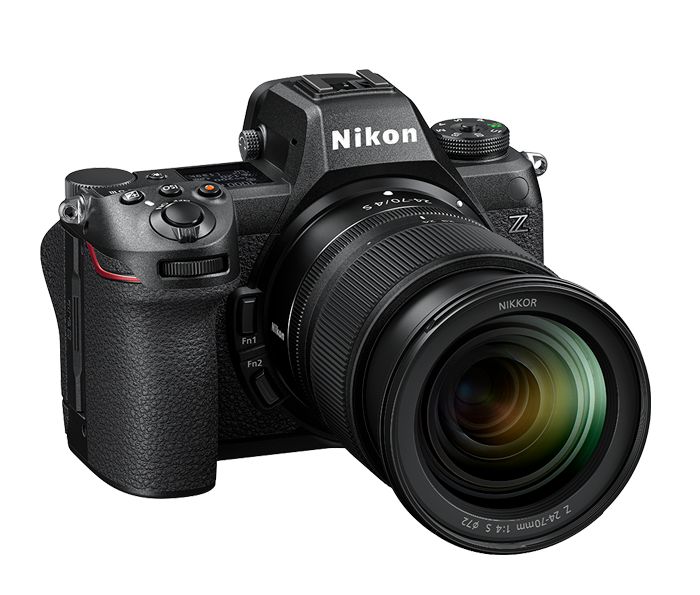

The Nikon Z6III and Sony A9 II are two powerful full-frame mirrorless cameras that cater to different segments of the photography market, yet they are frequently compared due to their high performance and advanced features. Both cameras are well-suited for enthusiasts and professionals alike, making the choice between them a pivotal one. Photographers focusing on sports, wildlife, or fast-paced events might lean towards the Sony A9 II due to its impressive autofocus capabilities and speed. Conversely, individuals who prefer robust image quality and effective stabilization may find the Nikon Z6III to their liking.
Key differentiators lie in their specifications, performance in real-world scenarios, and overall value for money. While the Z6III boasts slightly higher resolution and improved stabilization, the A9 II excels with a larger number of autofocus points and extended ISO range. Understanding these differentiators is crucial for buyers as they navigate their specific photographic needs and preferences.
Specifications Comparison
Detailed Comparison
Image Quality
The Nikon Z6III features a 25-megapixel full-frame sensor, which allows for slightly higher resolution images compared to the 24-megapixel sensor in the Sony A9 II. While the difference in megapixels may seem minor, users may notice more detail in specific types of images, especially when cropping. Both cameras perform excellently in terms of noise management across their ISO ranges, but the Z6III has an ISO range of 100-64000 compared to the A9 II's range of 100-51200 (which expands to 204800), allowing for more versatility in low-light conditions.
Additionally, the Z6III benefits from Nikon's advanced image processing algorithms, which can produce warmer color tones and richer images out of the camera. The A9 II's color reproduction is also highly regarded, with a slightly cooler tone that some users prefer. Both cameras include weather-sealing, ensuring durability while capturing high-quality images in challenging weather.
Ultimately, while both systems are capable of producing stunning imagery, the Nikon Z6III's higher megapixel count and effective ISO range provide it an edge for those prioritizing image quality. Therefore, in terms of image quality, the winner is clear.
Autofocus System
The autofocus system in the Sony A9 II is a remarkable feature, boasting 693 autofocus points which cover nearly the entire frame. This expansive coverage results in extremely fast and accurate focusing capabilities, making it ideal for subjects in motion - a critical aspect for sports and wildlife photographers. Additionally, the A9 II incorporates Real-time Eye autofocus, providing superior tracking on subjects' eyes, even in challenging lighting conditions.
The Nikon Z6III, while it also offers an impressive 273 autofocus points, is generally considered slightly less effective in tracking moving subjects. However, it still provides reliable autofocus performance, especially in still subject scenarios. Nikon's implementations with face detection and subject tracking have significantly improved, making it a viable option for various photographic styles.
Given the faster and more extensive autofocus system of the Sony A9 II, particularly for moving subjects, the winner in this category is undoubtedly the A9 II.
Video Capabilities
When comparing video capabilities, the Nikon Z6III does not fall short with its advanced features and 4K video up to 60p. This makes it a strong contender for videographers who require high-resolution video for professional use. The Z6III also utilizes full pixel readout without pixel binning in 4K, ensuring high detail and reduced noise.
On the other hand, the Sony A9 II is limited to 4K at 30p, which may not satisfy all videography needs. However, it provides excellent results in terms of color fidelity and dynamic range during video capture. Both cameras have exceptional stabilization features for video, with the Z6III boasting an estimated 8 stops compared to the A9 II's 5.5 stops. This makes the Z6III more favorable for handheld video shooting.
In conclusion, while the A9 II performs well in video, the advanced capabilities of the Z6III, particularly in frame rates and stabilization, make it the winner in this category.
Build & Ergonomics
Both cameras exhibit excellent build quality and are weather-sealed, providing robustness for outdoor photography. The Nikon Z6III measures 139 x 102 x 74 mm and weighs 760 grams, offering a slightly larger grip that many users find comfortable, especially when shooting for extended periods. Its construction leans towards a more traditional feel, which many Nikon users may appreciate.
The Sony A9 II, being smaller and lighter at 129 x 96 x 76 mm and 678 grams, suits photographers looking for a more compact option without sacrificing performance. However, some users report that the A9 II can feel slightly cramped due to its smaller design, especially when using larger lenses.
Both cameras provide electronic viewfinders, but the Z6III has a slightly higher resolution (2,100,000 dots) than A9 II's (1,440,000 dots), contributing to enhanced viewing precision. The comfortable handling and user interface of the Nikon Z6III ultimately leads it to edge out in this category.
Battery & Storage
The Sony A9 II holds an advantage when it comes to battery life, offering approximately 690 shots per charge compared to the Nikon Z6III's 380 shots. This extended battery performance is a significant factor for users who intend to shoot long events or during travel when charging options may be limited.
In terms of storage, both cameras utilize dual card slots, which is advantageous for photographers needing to back up images immediately or use different card formats. The A9 II supports both CFexpress Type A and SD UHS-II cards, while the Z6III supports CFexpress and SD UHS-II as well. This dual support allows photographers greater versatility based on their needs.
While the Z6III showcases solid storage capabilities, the A9 II's superior battery longevity makes it the clear winner in the battery and storage category.
Value for Money
When it comes to pricing, the Nikon Z6III is more appealing at $2500, especially given its excellent performance in areas like image quality and video stability. This makes it a great investment for both enthusiasts and professionals looking for high-quality features without breaking the bank.
In contrast, the Sony A9 II is priced at $4500, which reflects its advanced autofocus system and higher shooting speeds. However, this price may be hard to justify for casual users or beginner photographers who may not fully utilize the A9 II's capabilities.
While both cameras offer exceptional quality, the overall value proposition leans toward the Nikon Z6III due to its competitive features available at a lower price point. Thus, it emerges as the winner in terms of value for money.
Our Verdict
The Nikon Z6III emerges as the overall winner in this comparison due to its blend of excellent image quality, superior video capabilities, and better price-to-performance ratio. It suits a wide range of photographers, from enthusiasts to professionals, especially those interested in video production or still imagery requiring high detail. Though the Sony A9 II excels in autofocus and battery performance, its higher price and specialized features make it more suited for sports and wildlife photographers who will benefit from its speedy performance. Depending on the specific needs and budget of the buyer, both cameras have their strengths, and the ultimate choice may hinge on the particular photography context.
Nikon Z6III
Sony A9 II
Also Compare
Frequently Asked Questions
Which camera has better autofocus?
The Sony A9 II has a superior autofocus system with 693 points compared to the Nikon Z6III's 273 points, making it better for fast-moving subjects.
Is the Nikon Z6III better for video?
Yes, the Nikon Z6III offers higher frame rates and better stabilization for video compared to the Sony A9 II.
Which camera is more portable?
The Sony A9 II is smaller and lighter than the Nikon Z6III, making it more portable for travel and street photography.
What is the battery life like on each camera?
The Sony A9 II provides a significantly longer battery life at approximately 690 shots compared to 380 shots for the Nikon Z6III.
Does either camera have better image quality?
The Nikon Z6III offers a slightly higher megapixel count, leading to marginally better image quality, especially in detailed shots.