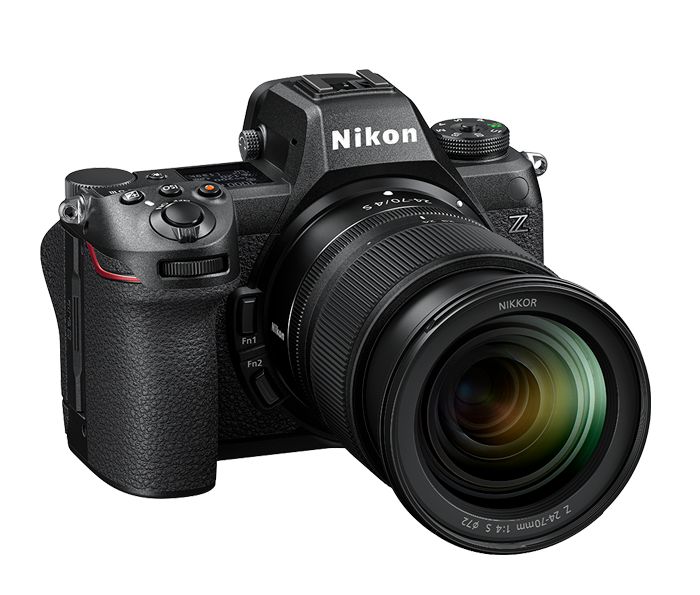

The Nikon Z6III and Sony A7S III are two heavyweight contenders in the full-frame mirrorless camera market, frequently compared by both professional and enthusiastic photographers alike. As both cameras excel in various aspects, determining which is the better option often depends on specific user needs, such as low-light performance, dynamic range, or video capabilities. Given their substantial differences in megapixel count, autofocus system, and price, buyers are often left to ponder which camera is truly the best fit for their creative endeavors.
Specifications Comparison
Detailed Comparison
Image Quality
In terms of image quality, the Nikon Z6III features a 25-megapixel sensor that allows for greater detail and is suitable for a variety of photography styles, from landscapes to portraits. The larger pixel count can also provide improved dynamic range and color depth, which is particularly important for post-processing work. In real-world testing, the Z6III shows remarkable performance in both bright and low-light scenarios.
On the other hand, the Sony A7S III, while sporting a significantly lower 12-megapixel count, excels in high ISO capabilities, making it a true champ for low-light situations. The extended ISO range, which goes up to 409600, ensures that users can shoot in extremely dim conditions with minimal noise. This versatility makes it more specialized for videographers and those who capture night scenes or indoor events without flash.
In conclusion, while both cameras produce excellent image quality, the Z6III offers higher resolution for varied photography needs, whereas the A7S III delivers exceptional low-light performance without compromising image clarity. Therefore, the decision may hinge on individual priorities concerning detail versus high-ISO flexibility.
Autofocus System
The autofocus systems of both cameras show impressive specifications, but they cater to different user needs. The Nikon Z6III features 273 autofocus points, which provide a broad coverage area across the frame, resulting in highly responsive and accurate performance, particularly in still photography scenarios like portraiture and sports.
In contrast, the Sony A7S III offers a more robust autofocus system with 759 points, including Real-Time Eye autofocus for both humans and animals, which is particularly beneficial for fast-moving subjects. Approximately 93% of the image area is covered, ensuring that more subject matter remains in focus, making it ideal for both photographers and videographers.
When assessing autofocus performance, the A7S III's advanced algorithm and faster processing mean it generally offers more reliable tracking in complex shooting situations. While both systems are impressive, videographers will find the A7S III's capabilities particularly advantageous, giving it the edge in this category.
Video Capabilities
Sony has long been renowned for its video capabilities, and the A7S III is a testament to that legacy. Capable of recording 4K video at up to 120fps, it offers superb versatility for cinematic work, fast action scenes, and slow-motion capture. Additionally, its internal 10-bit 4:2:2 recording provides stunning color accuracy, making it a favorite for professional filmmakers.
The Nikon Z6III, while being an excellent stills camera, also holds its own in the video realm but limits shooting to 4K at 60fps, which, while respectable, may feel restrictive compared to the A7S III. The Z6III supports N-Log and 10-bit output as well, but lacks some of the more advanced video features that professional videographers require today like eye-tracking autofocus in video and better heat management during long shoots.
Overall, for users whose primary focus is on high-quality video production, the Sony A7S III stands out with its superior frame rates and color depth, making it the clear leader in video capabilities.
Build & Ergonomics
Both cameras offer robust build quality and weather sealing, making them reliable choices for outdoor and professional use. The Nikon Z6III is slightly bulkier, weighing 760 grams compared to the A7S III which is 699 grams. The difference in weight and dimensions might be a factor for some users when deciding which camera to carry for extended periods.
The layout of the controls is user-friendly on both models, but personal preference plays a significant role. Photographers who prefer a more traditional grip might favor the Nikon Z6III due to its ergonomic design, while those who appreciate a compact and lightweight setup may lean towards the A7S III.
Overall, both cameras are built to withstand tough shooting conditions, but the preferences regarding size, weight, and ergonomics may vary by user, leaving this section results in a tie.
Battery & Storage
Battery life is an essential factor for photographers and videographers alike. The Nikon Z6III boasts a respectable battery life of approximately 380 shots per charge, which is sufficient for many shooting sessions but may feel restrictive for those in extensive fieldwork. Meanwhile, the Sony A7S III excels with a remarkable battery life of about 600 shots per charge, allowing shooters to work confidently without constantly worrying about battery replacement.
Storage capabilities also vary between the two; the Z6III supports dual card slots-one for CFexpress Type B and one for SD UHS-II, while the A7S III features dual CFexpress Type A and SD UHS-II card slots. The CFexpress Type A cards provide faster write speeds, which can be especially beneficial for high-resolution video streaming and buffer capabilities.
In practical scenarios, the A7S III offers not only an enhanced battery life but also superior storage options, providing an edge when it comes to extended shooting sessions and consistently high-performance output.
Value for Money
When it comes to pricing, the Nikon Z6III is positioned at $2500, which may appeal to both serious enthusiasts and professionals looking for a versatile full-frame mirrorless camera without breaking the bank. The Z6III balances features and price well, providing significant value especially in terms of still photography and overall performance.
In contrast, the Sony A7S III is priced higher at $3499, targeting mainly the video-centric market segment. Though it brings advanced features such as superior AF capabilities and video specifications, the premium price may deter casual users who do not require such extensive video functionality.
From a value perspective, buyers should consider their primary photographic needs. The Nikon Z6III is likely a better fit for those who prioritize stills with occasional video, while the A7S III is for professionals focused mainly on video production and will take advantage of its full capabilities, justifying the additional cost.
Our Verdict
In conclusion, both the Nikon Z6III and Sony A7S III present compelling features that cater to different segments of photographers and videographers. The Z6III excels in highest resolution still photography and overall value for traditional photographers, while the A7S III is superior for video-centric users looking for advanced technology and exceptional low-light performance. Ultimately, the choice boils down to what your primary focus is-stills, versatility, or video production.