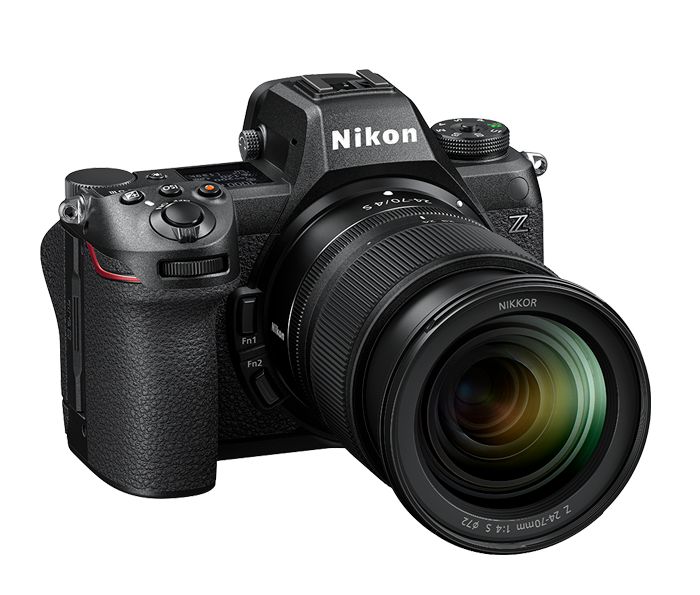
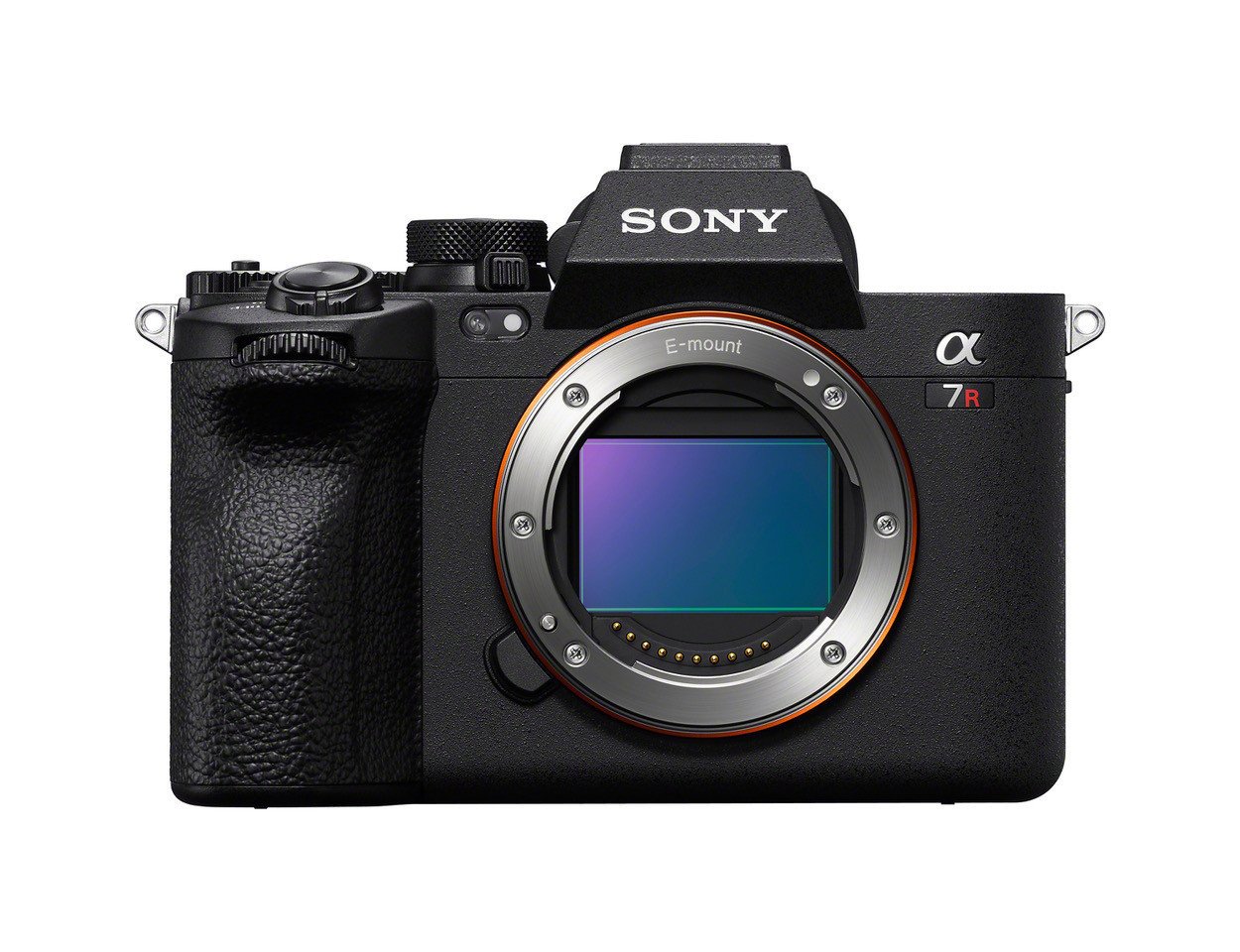
The Nikon Z6III and Sony A7R V are two exceptional full-frame mirrorless cameras that often attract the attention of professional and enthusiast photographers alike. While both systems feature advanced specifications and robust functionalities, they cater to slightly different needs. The Z6III is known for its superior performance in low light and its well-rounded video capabilities, making it a viable option for hybrid creators. In contrast, the A7R V shines with its impressive resolution and autofocus capabilities, appealing mainly to landscape and studio photographers seeking maximum detail in their images. Key differentiators between these two models include sensor resolution, autofocus performance, battery life, and overall cost, which can heavily influence a buyer's decision.
Specifications Comparison
Detailed Comparison
Image Quality
Starting with image quality, the Sony A7R V boasts a staggering 60 megapixels, substantially higher than the 25 megapixels offered by the Nikon Z6III. This high-resolution sensor allows photographers to capture intricate details, making it ideal for landscape and commercial photography where large prints or heavy cropping is involved. In contrast, the Z6III, while lower in resolution, offers excellent image quality with a notable advantage in low light performance due to its larger pixel size. The ISO range on the Z6III extends up to 64,000, enhancing its ability to perform in challenging lighting conditions with less noise.
The A7R V expands its ISO capabilities up to a maximum of 102,400 but is recommended for use within the standard range to maintain image quality. The color science of both cameras is commendable, but some users might prefer the warmer tones produced by the Z6III. This makes it favorable for portrait work without much post-processing. In real-world scenarios, both cameras provide outstanding results, although the choice may boil down to specific photographic needs.
Given these factors, the winner of this aspect is the Sony A7R V due to its unmatched resolution, despite the Z6III's advantages in low light.
Autofocus System
When it comes to autofocus, the Sony A7R V has a clear advantage with its 693 phase detection points compared to the Z6III's 273 points. This expansive coverage allows for remarkably swift and accurate focusing, especially in dynamic shooting conditions like sports or wildlife photography. Notably, the A7R V also offers advanced real-time eye autofocus for both humans and animals, making it a top choice for portrait and wildlife photographers.
The Nikon Z6III offers a competent autofocus system as well, featuring eye detection and subject tracking; however, it does not quite match the speed or versatility of the A7R V in varied conditions. Additionally, the A7R V's ability to utilize improved focusing algorithms also enhances its performance in low light. In practical terms, users may find the A7R V's autofocus to streamline shooting in challenging scenarios.
Conclusively, the autofocus system is a decisive aspect where the winner is the Sony A7R V due to its superior coverage and innovative features.
Video Capabilities
Both the Nikon Z6III and Sony A7R V are equipped with solid video capabilities, but they serve slightly different purposes. The Z6III can shoot 4K video at up to 20 fps, offering a robust set of features for hybrid shooters, including great low light performance. This makes it a practical choice for videographers who need high frame rates and versatility in various lighting scenarios.
On the other hand, the A7R V supports 4K video up to 60p, providing excellent frame rates for those focusing on high-resolution video work. This makes it easier to achieve cinematic shots and detailed footage. However, for many users, the additional capabilities of the A7R V come at a significantly higher price, which may not be justified unless they require extensive video functionality within a high-resolution frame.
Considering these aspects, the winner of this category is the Nikon Z6III, which offers an excellent balance for hybrid shooters without compromising budget or performance.
Build & Ergonomics
Both the Nikon Z6III and Sony A7R V are constructed with a weather-sealed body, making them resilient for outdoor use. The Z6III weighs slightly more at 760g compared to the A7R V's 723g, which can be a factor for photographers who prioritize a lightweight kit for travel.
In terms of dimensions, the A7R V has a more compact size, which some may find preferable for handling and portability. Yet, comfort is subjective; while some photographers might prefer the larger grip of the Z6III, others might lean towards the more streamlined design of the A7R V. Both cameras offer fully articulating screens, further making them favorable for vlogging and various shooting angles.
This category results in a tie, as both cameras provide excellent build quality and ergonomics, albeit tailored to different preferences.
Battery & Storage
In terms of battery life, the Sony A7R V comes equipped with a robust battery, allowing up to 530 shots per charge, significantly outperforming the Z6III's 380 shots. For users who anticipate long shooting sessions or travel, this added battery longevity offers a tangible advantage. Additionally, both cameras utilize the LP-E6 type batteries, making them comparable.
When it comes to storage, both models feature dual card slots that support CFexpress Type B and SD UHS-II, making them capable of rapid data transfers. However, the A7R V's extended battery life is particularly relevant for a photographer's workflow during extensive shoots, particularly when utilizing high-resolution files and 4K video functionality.
Given these factors, the winner is the Sony A7R V due to its superior battery performance, which is often crucial in longer shooting scenarios.
Value for Money
Price is a crucial factor when selecting between these two models. The Nikon Z6III is priced at around $2,500, establishing it as a more budget-friendly option in the full-frame market. It offers excellent performance that suits a wide variety of photography needs, striking a balance between quality and cost.
Conversely, the Sony A7R V is positioned at a premium price of $3,900, reflecting its advanced features such as high resolution and superior autofocus. While it may offer more sophisticated specifications, its cost could deter those who do not require such extensive capabilities, especially given the Z6III provides competitive features at a significantly lower price.
Due to the compelling price-to-performance ratio, the winner in this aspect is the Nikon Z6III, which is more accessible for a broader range of photographers.
Our Verdict
After a comprehensive comparison between the Nikon Z6III and Sony A7R V, it is evident that each camera excels in distinct areas. The A7R V is ideal for photographers who prioritize high resolution and top-tier autofocus capabilities, essential for detailed compositions and fast-moving subjects. However, for those seeking a versatile, well-rounded camera capable of excellent video performance and strong low-light capabilities at a lower price point, the Z6III emerges as a compelling choice. Each camera caters to different photographic demands, ensuring that either choice offers significant value depending on the user's specific needs.
Nikon Z6III
Sony A7R V
Also Compare
Frequently Asked Questions
Which camera is better for videography?
The Nikon Z6III offers versatile video features and better overall performance in low light, making it suitable for hybrid shooters, while the Sony A7R V excels in higher-resolution video capabilities, ideal for advanced videography requirements.
Is the Nikon Z6III good for low-light photography?
Yes, the Z6III's larger pixel size and extended ISO range make it an excellent choice for low-light photography, outperforming many competitors in similar situations.
How important is megapixel count for my photography?
Megapixel count is crucial for photographers needing large prints or allowing extensive cropping of images. The A7R V with 60MP is advantageous for such needs, while the Z6III at 25MP is suitable for most applications.
Are both cameras weather-sealed?
Yes, both the Nikon Z6III and Sony A7R V feature weather-sealed bodies, making them resistant to dust and moisture, ideal for outdoor photography.
What lens options are available for each camera?
Both Nikon and Sony offer a wide range of lenses for their respective mounts. However, the Sony E-mount has a larger selection of native lenses available, making it more versatile for various shooting styles.