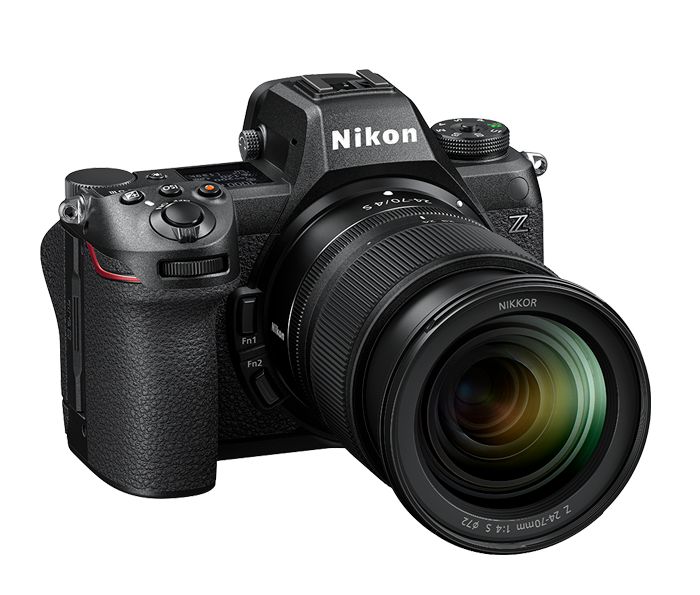
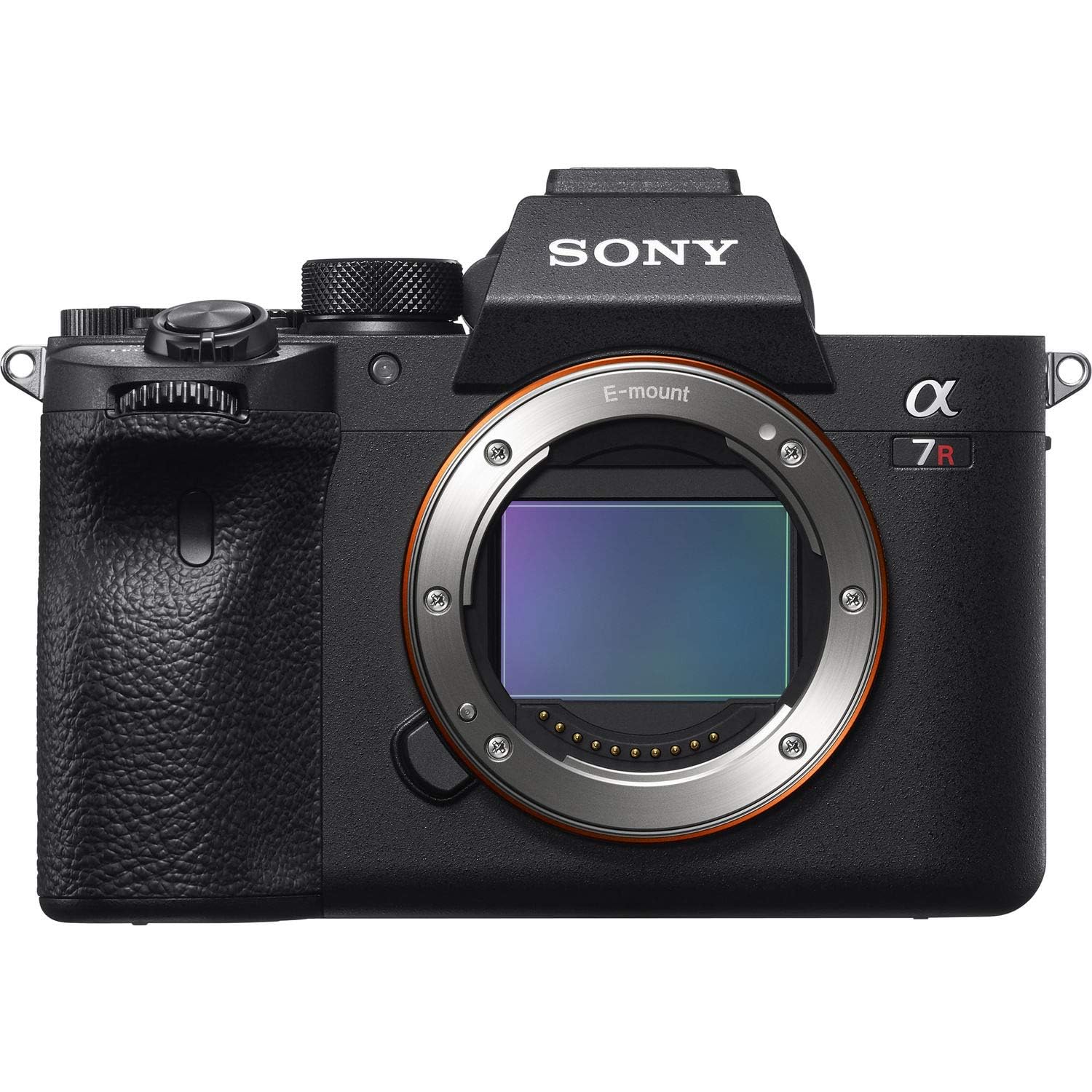
The Nikon Z6III and Sony A7R IV are two premium full-frame mirrorless cameras that often find themselves in head-to-head comparisons among photography enthusiasts and professionals. Both models excel in their own right, offering a range of features that cater to specific use cases. Potential buyers will typically be photographers who are looking for high performance, whether for stills or video, and want to invest in a system that meets their needs for years to come. Key differentiators include sensor resolution, autofocus capabilities, and video performance, making it essential to delve into each aspect to understand which camera may suit a buyer's individual requirements best.
Specifications Comparison
Detailed Comparison
Image Quality
When it comes to image quality, the Sony A7R IV offers a staggering 61 megapixels, which allows for extremely high-resolution images that are ideal for large prints and extensive cropping. This high pixel count enables exceptional detail reproduction, making it a preferred choice for landscape, commercial, and studio photographers who demand the utmost fidelity in their images. In contrast, the Nikon Z6III features a 25-megapixel sensor, which is lower than that of the A7R IV, but still delivers remarkable image quality with excellent dynamic range and color accuracy. The ISO performance of the Z6III is also noteworthy, with a range from 100-64000, providing great low-light capabilities. Although the A7R IV can also handle low-light shooting quite well, its native ISO limit is slightly lower, extending from 100 to 32000, albeit expandable to 102800. For most users, the impressive detail from the A7R IV may give it the edge in this department, especially when resolution is critical.
Autofocus System
The autofocus system of the Sony A7R IV proves superior with a total of 567 autofocus points, facilitating phase-detection and covering a vast area of the frame. This extensive system allows for rapid tracking of moving subjects, making the A7R IV well-suited for action, wildlife photography, and sports. In comparison, the Nikon Z6III offers a respectable 273 autofocus points, which while functional and effective, falls short of the expansive coverage found in the A7R IV. This difference might be crucial for professionals requiring precise focus tracking in dynamic environments. Both cameras feature advanced autofocus technologies, including face and eye detection, but the higher number of points on the A7R IV enhances its versatility and accuracy in more challenging conditions.
Video Capabilities
Video shoots are becoming increasingly popular among photographers, and both the Nikon Z6III and Sony A7R IV have distinct offerings. The Z6III supports 4K filming at up to 60 fps with full sensor readout, providing greater flexibility and quality for videographers. The A7R IV, while also capable of 4K recording, limits its frame rate to 30 fps, making the Z6III a more appealing option for filmmakers needing higher frame rates for smooth motion. Furthermore, the Z6III boasts in-body stabilization rated at 8 stops, offering significant shake compensation for handheld shooting. While the A7R IV has a competent 5.5 stops of stabilization, the Z6III excels particularly for handheld video applications, giving it the edge in this comparison.
Build & Ergonomics
Both cameras come with robust weather-sealed bodies, ensuring durability in varied shooting environments. The Nikon Z6III weighs 760 grams, which is slightly heftier than the A7R IV's 665 grams, potentially making it less comfortable for prolonged hand-held shooting. However, the Z6III's grip design is often praised for providing a more secure hold, particularly when using larger lenses. The layout of buttons and dials is another consideration, with both models offering customizable controls. While the 3.1-inch screen on the Z6III features a higher resolution of 2,100,000 dots compared to the A7R IV's 3-inch, 1,440,000 dots screen, both provide ample functionality. Ultimately, the choice may come down as much to personal preference on handling and comfort as on the specifications.
Battery & Storage
In terms of battery performance, the Sony A7R IV exceeds with a battery life of around 670 shots, compared to the Nikon Z6III, which offers 380 shots before needing a recharge. This longer battery life can be significant during extensive photo shoots or when shooting video. Both cameras utilize standard SD card slots; however, the A7R IV is equipped with dual slots, allowing for more extensive storage options and backup capabilities. This feature might be a degree of operational convenience for those who generate high-volume content or conduct long shoots in remote locations without access to charging. Given the increasing demands of high-resolution photography and videography, the A7R IV outshines in this aspect.
Value for Money
The Nikon Z6III is priced at approximately $2500, which is considerably lower than the Sony A7R IV's $3500 price tag. While the A7R IV offers higher resolution and a more advanced autofocus system, the Z6III's capabilities, especially in video, make it a strong contender for photographers looking for a versatile tool without breaking the bank. The Z6III strikes a balance of performance and price, making it a more reasonable option for those who may not require the ultra-high resolution of the A7R IV. For photographers or videographers prioritizing budget and overall versatility over absolute peak specifications, the Z6III presents compelling value in the full-frame mirrorless market.
Our Verdict
Overall, while both the Nikon Z6III and Sony A7R IV have commendable features, the A7R IV emerges as the winner due to its exceptional image quality and superior autofocus system, making it ideal for high-resolution photography and action shots. However, the Z6III offers a more approachable price point and outstanding video capabilities, which can be particularly appealing to videographers and those who prioritize value for money. Ultimately, the decision hinges on individual priorities: if high resolution and autofocus reliability are paramount, the Sony A7R IV is the clear choice; if budget and video functionality are more important, the Nikon Z6III stands as an excellent alternative.
Nikon Z6III
Sony A7R IV
Also Compare
Frequently Asked Questions
Which camera has better low-light performance?
The Nikon Z6III has a wider ISO range, making it more versatile in low-light conditions. However, both cameras perform well at low light with good results.
Is the Sony A7R IV worth the higher price?
If you require ultra-high resolution and a more sophisticated autofocus system, the higher cost can be justified for certain professional applications.
How do the video capabilities compare?
The Nikon Z6III outperforms the A7R IV in video due to higher frame rates and in-body stabilization, making it preferable for videographers.
What is the weight difference between the two cameras?
The Nikon Z6III is heavier at 760 grams compared to the Sony A7R IV's 665 grams, which might influence usability during long shooting sessions.
Can I use my old Nikon or Sony lenses?
You can use Nikon F-mount lenses on the Z6III with an adapter, while the A7R IV works with a wide range of E-mount lenses from different manufacturers.