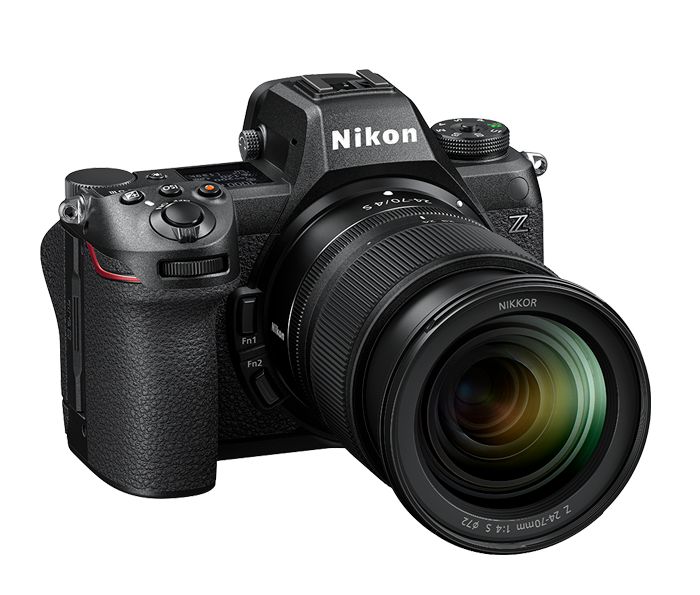
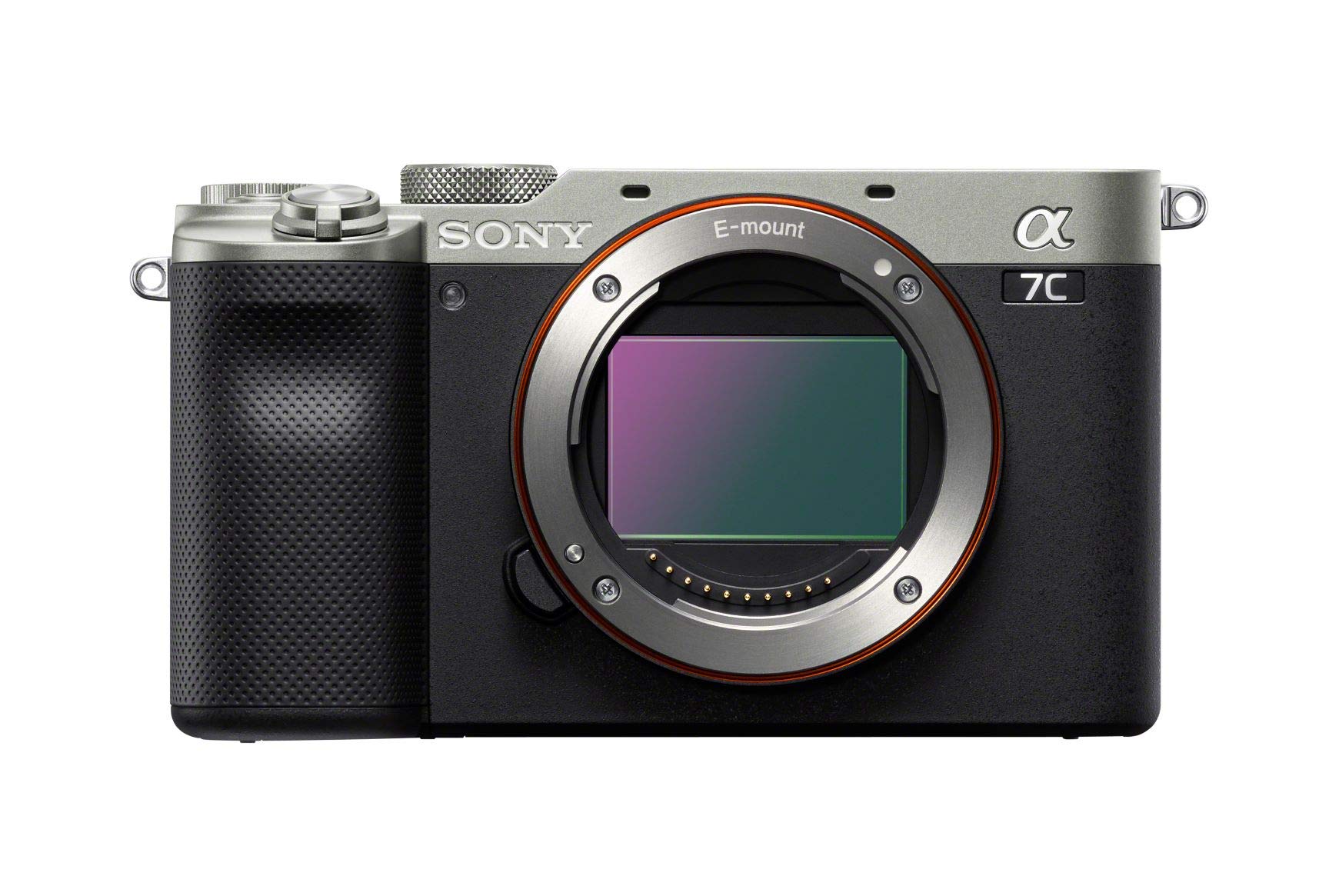
The Nikon Z6III and Sony A7C represent two appealing full-frame mirrorless camera options that cater to enthusiasts and professionals alike. With their advanced technologies and compact designs, both cameras are popular choices for photographers and videographers who prioritize image quality and portability. Users often find themselves weighing these models due to their dynamic feature sets, including autofocus capabilities, battery life, and overall performance in various shooting scenarios. Each camera has strengths that could benefit different types of users, whether they prioritize video production or still photography.
Specifications Comparison
Detailed Comparison
Image Quality
Both the Nikon Z6III and Sony A7C boast full-frame sensors, contributing to excellent image quality. The Z6III features a 25-megapixel sensor, while the A7C has a slightly lower 24 megapixels. Both cameras exhibit superb dynamic range and low-light performance, but the Z6III has a slight edge at higher ISO settings, thanks to its ISO range topping at 64000 compared to the A7C's 51200 (expandable to 204800). Moreover, the Z6III can shoot at a higher continuous frame rate of 20 frames per second versus the A7C's 10 fps, making it more suitable for action shots and fast-moving subjects.
Autofocus System
When it comes to autofocus, the Sony A7C shines with its 693 autofocus points, outperforming the Z6III's 273 points. This extensive coverage allows for faster and more accurate subject tracking, especially in dynamic shooting conditions. However, the Z6III's autofocus system is well-regarded for its accuracy, particularly in low-light environments, thanks to its advanced algorithms. Despite the A7C's superior autofocus point count, the real-world performance of the Z6III should not be underestimated. It excels in scenarios where precision is paramount.
Video Capabilities
Both the Nikon Z6III and Sony A7C support 4K video recording, but the Z6III takes a step further in terms of features, offering more extensive recording options for serious videographers. The A7C is limited to 4K at 30p, whereas the Z6III supports higher frame rates and is favored for its better heat management during prolonged shoots. Additionally, the Z6III provides more advanced video features like in-camera 10-bit recording, which superior for post-production flexibility. For filmmakers, these enhancements make the Z6III the better choice.
Build & Ergonomics
In terms of build quality, both cameras are weather-sealed and designed to withstand the rigors of outdoor shooting. However, the Nikon Z6III is notably larger and heavier at 760g compared to the Sony A7C's lightweight 509g, which may appeal to users seeking a more compact option. The Z6III's controls are more user-friendly for those accustomed to traditional DSLR layouts, while the A7C's smaller size makes it ideal for travel and vloggers looking to reduce weight. Ultimately, the choice here depends on personal preference for the feel and handling of the camera.
Battery & Storage
The battery performance of the A7C is impressive, with a lifespan of 740 shots, significantly surpassing the Z6III's 380 shots. This means users can shoot longer without the need to change batteries, an essential feature for event photographers or those on extended trips. On the storage side, both cameras utilize SD card slots, but the Z6III features dual card slots, providing added security with redundant storage options. Users looking for longevity in battery life will likely prefer the A7C, while those concerned with data security might lean towards the Z6III.
Value for Money
In terms of price, the A7C is more budget-friendly at $1799 compared to the Z6III's $2500. This price difference can be significant for many buyers, especially those just entering the full-frame market. The A7C provides excellent performance for its price, especially for photographers who primarily shoot stills and videos without relying on high-end features. In contrast, the Z6III, while more expensive, justifies its price tag with superior image quality, video capabilities, and higher continuous shooting speeds, making it a better long-term investment for serious enthusiasts.
Our Verdict
Overall, the Nikon Z6III emerges as the winner due to its superior image quality, enhanced video capabilities, and advanced continuous shooting performance. However, it comes at a higher price point that may not suit every budget. On the other hand, the Sony A7C offers compactness, impressive autofocus, and excellent battery life, making it a fantastic choice for those who prioritize portability and affordability for still images and casual video work. Buyers should carefully consider their specific needs and shooting styles impacting their decision between these two exceptional cameras.
Nikon Z6III
Sony A7C
Also Compare
Frequently Asked Questions
Which camera is better for beginners?
The Sony A7C may be more suitable for beginners due to its lightweight design and user-friendly interface, along with a lower price point.
Can these cameras shoot in low light?
Yes, both cameras perform admirably in low-light conditions, but the Nikon Z6III has a slight advantage due to its higher maximum ISO capabilities.
What are the main advantages of each camera for video production?
The Nikon Z6III offers better video recording options, including in-camera 10-bit recording, while the A7C has longer battery life, making it easier for lengthy shoots.
Is the weight a significant factor in choosing between these two cameras?
Weight can be an important factor, especially for travel photographers or vloggers. The Sony A7C is much lighter, which could make it more comfortable to carry over long periods.
Which camera has better lens options?
Both cameras have strong lens ecosystems, but the Nikon Z series is still expanding. Sony's E-mount lenses are more extensive at present, offering a broader selection of options.