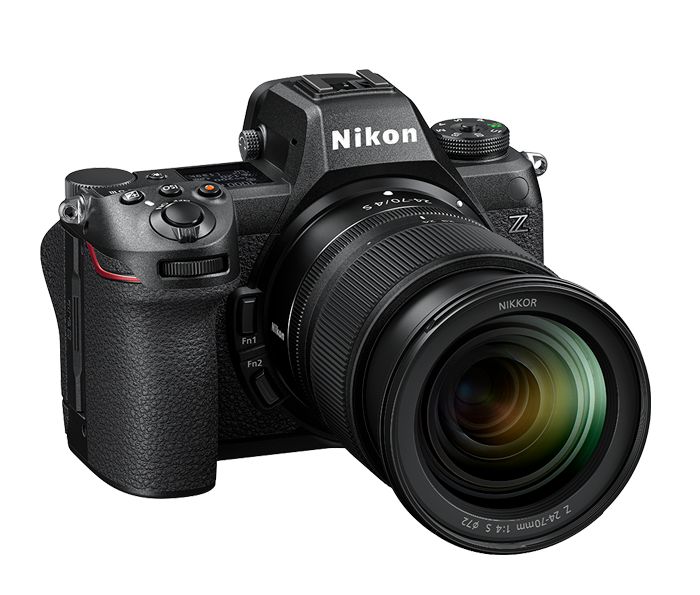
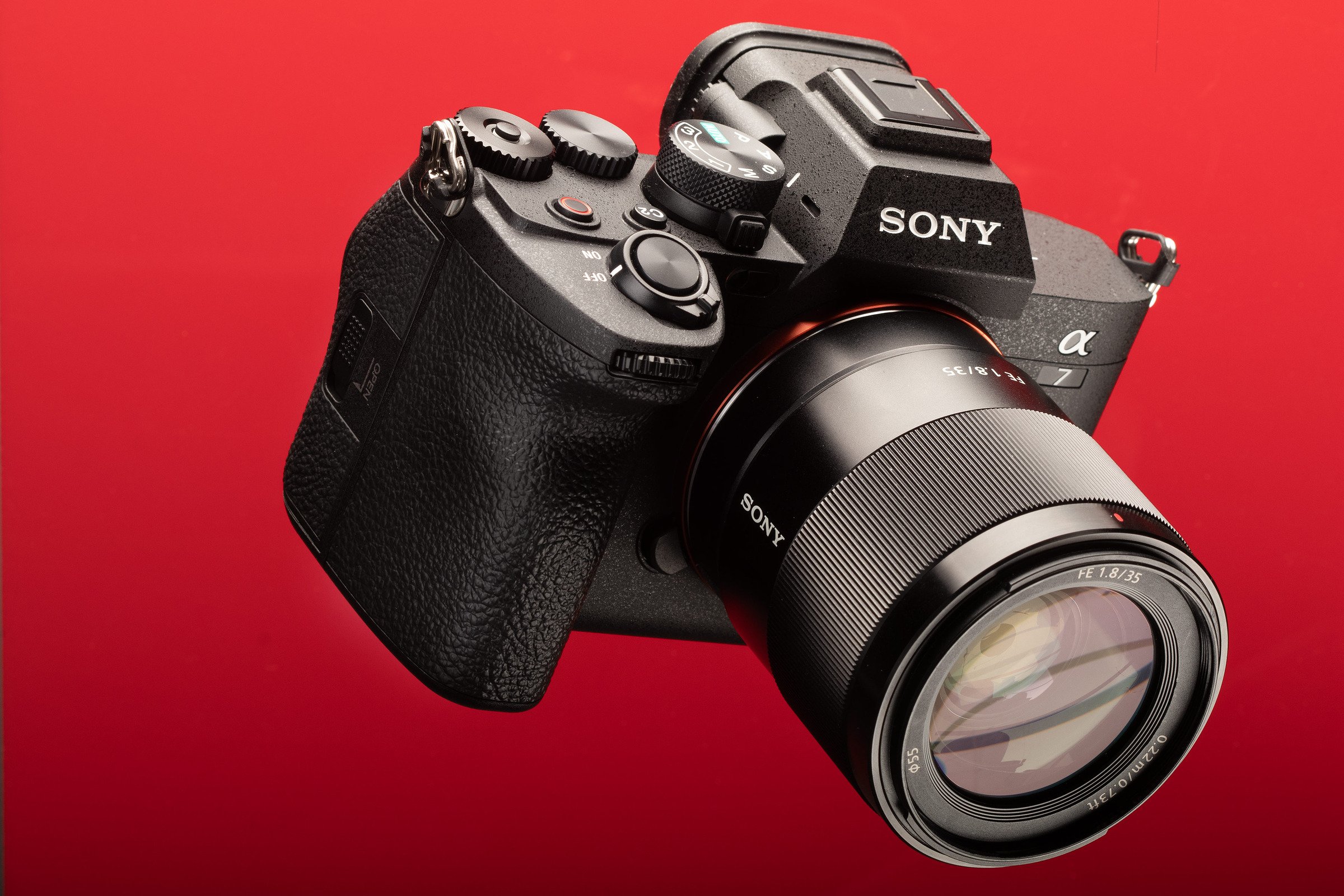
The Nikon Z6III and the Sony A7 IV are two giants in the full-frame mirrorless camera market, often compared due to their premium features and capabilities catering to both amateur and professional photographers. Buyers gravitating towards these models typically seek versatility in photography and videography, comfortable ergonomics, and robust performance under various conditions. While both models are exceptional, there are several key differentiators that can sway a photographer's decision.
Specifications Comparison
Detailed Comparison
Image Quality
When it comes to image quality, the Sony A7 IV features a higher resolution sensor with 33 megapixels compared to the Nikon Z6III's 25 megapixels. This higher resolution benefits landscape photographers and those wanting to crop images without losing detail. Additionally, the Sony A7 IV has a broader ISO range expanding to 204800, providing better low-light performance capabilities. In contrast, the Z6III delivers impressive results at higher ISO settings, though it has a limited range compared to its competitor.
However, the Nikon Z6III's imaging system incorporates an 8-stop in-body stabilization, significantly enhancing image sharpness during handheld shooting, particularly in low-light situations or while using slower shutter speeds. The stabilization of the Sony A7 IV, while effective at 5.5 stops, does not match up to the Z6III's capabilities. Therefore, in the context of overall image quality concerning stabilization advantage, Nikon has an edge despite having fewer megapixels.
In real-world usage, the image quality of both cameras is outstanding, with vibrant colors and excellent dynamic range. However, for those prioritizing resolution and low light performance without stabilization concerns, the A7 IV may capture refined details in diverse lighting conditions. In this section of image quality, the recommended choice is determined by the specific needs of the user, but overall, the superior resolution pushes the winner to Sony.
Autofocus System
The autofocus systems in both the Nikon Z6III and Sony A7 IV are robust and designed for speed and accuracy, with the A7 IV leading the charge with 759 autofocus points compared to the Z6III's 273 points. This extensive coverage on the A7 IV allows for better tracking of fast-moving subjects, making it a notable choice for sports and wildlife photography.
Moreover, the A7 IV's advanced AI-driven real-time tracking capabilities further enhance its effectiveness, particularly for portrait photography with eye-detection features that can automatically adjust focus based on the subject's gaze. In contrast, the Z6III's autofocus is quick and reliable, but its fewer point count results in less tracking precision, especially in complex scenarios.
Both systems perform effectively in various lighting conditions, with the Z6III also offering a wide autofocus coverage area. Nevertheless, when precision, speed, and complex tracking are paramount, the A7 IV's specifications grant it the performance edge. Hence, in terms of autofocus, the winner is clear.
Video Capabilities
Video capabilities are an essential consideration for many buyers, and here the Sony A7 IV offers notable advantages. With the ability to record in 4K at 60p, the A7 IV excels in capturing high-resolution video, making it a strong contender for filmmakers and content creators. Its 10-bit 4:2:2 internal recording capacity also allows for superior color grading options in post-production.
On the other hand, the Nikon Z6III's specifications currently do not detail its video frame rates but it is known to provide impressive 4K recording options suitable for most videographers. However, without the same level of advanced 4K features as the A7 IV, the Z6III presents some limitations.
The A7 IV also integrates various codecs and professional video settings that enhance its usability for serious video projects. Given these considerations, particularly for those focusing on video production, Sony's camera takes the lead in this category.
Build & Ergonomics
Both the Nikon Z6III and Sony A7 IV feature weather-sealed bodies, making them suitable for outdoor photography and challenging environments. The Z6III is slightly heavier at 760 grams compared to the A7 IV's 659 grams, which can impact portability depending on user preference.
From a design perspective, the ergonomics of the Nikon Z6III accommodate larger hands and offer a comfortable grip, while the Sony A7 IV has a compact layout which can feel less bulky. However, some users may find the slightly larger size of the Z6III contributes positively to balancing larger lenses and ensures a more stable shooting experience.
Overall, this section captures a balance of features. While the Z6III has a more comfortable grip for larger hands, the lighter weight of the A7 IV adds to its portability. Thus, this section can be deemed a tie based on preferences for size and ergonomics.
Battery & Storage
Battery life is a critical factor, and the Sony A7 IV performs remarkably well, offering around 580 shots per charge. The Nikon Z6III, while also respectable at 380 shots, falls short of providing the same longevity, which could be a concern for users planning extended shoots without access to power sources.
Both cameras support SD card storage; however, the A7 IV supports dual card slots, enhancing storage options and providing redundancy for professional workflows. In contrast, the specifications for the Z6III regarding its card slots are not specified here, but often such features can dictate buyer choice, especially for photographers working on long-term projects where failure safety is a concern.
Conclusively, when considering battery life and storage capabilities, the winner of this section should lean towards the A7 IV due to its superior battery performance and dual card slot functionality.
Value for Money
Both the Nikon Z6III and Sony A7 IV are priced similarly, with the former at $2500 and the latter at $2499. In terms of specifications, potential buyers may look at which functionalities truly match their needs to ensure value for money. While the Sony A7 IV offers multiple advanced features like higher resolution, superior autofocus, and better video options, the Nikon Z6III provides an outstanding stabilization system which could be advantageous in specific photography scenarios.
Entry-level and professional photographers might find value based on their specific usage. For instance, a videographer or action photographer might lean towards the A7 IV for its autofocus prowess and video capabilities, while landscape shooters may find the Z6III's stabilization beneficial for capturing pinch-perfect moments in challenging conditions.
In terms of overall value relative to performance, the resounding features present in the A7 IV convey a stronger value proposition for diverse photographers and videographers, making it the clearer option in this category.
Our Verdict
In conclusion, while both the Nikon Z6III and Sony A7 IV cater to serious photographers and videographers, the overall performance spectrum leans towards the Sony A7 IV due to its superior resolution, robust autofocus system, and comprehensive video capabilities. The Nikon Z6III's excellent stabilization is a significant benefit but may not be sufficient to outweigh the multiple advantages offered by the A7 IV in high-performance scenarios. For those prioritizing video creation, autofocus efficiency, and overall versatility, the Sony A7 IV emerges as the best choice, whereas the Z6III may still attract those focused on stabilized image capture in varied conditions.
Nikon Z6III
Sony A7 IV
Also Compare
Frequently Asked Questions
Which camera is better for low-light photography?
While both cameras perform well in low-light conditions, the Sony A7 IV has a broader ISO range, making it slightly better suited for extremely low-light scenarios. However, the Z6III's 8-stop stabilization can help maintain image clarity in lower light.
How do the autofocus systems differ?
The Sony A7 IV boasts 759 autofocus points with advanced tracking capabilities, making it superior for fast-moving subjects, while the Z6III has 273 points and is efficient but less extensive in tracking performance.
Can you use both cameras for video production?
Yes, both cameras can handle video production. The Sony A7 IV offers higher frame rates and advanced features that make it more suitable for videographers, whereas the Z6III is still capable for general use.
What is the difference in battery life?
The Sony A7 IV boasts better battery life, rated at approximately 580 shots per charge compared to the Z6III's 380 shots, making it more reliable for extended shooting sessions.
Which camera is more travel-friendly?
The Sony A7 IV is lighter and more compact, making it easier for travel. However, personal preferences on grip and handling should also be considered when choosing between the two.