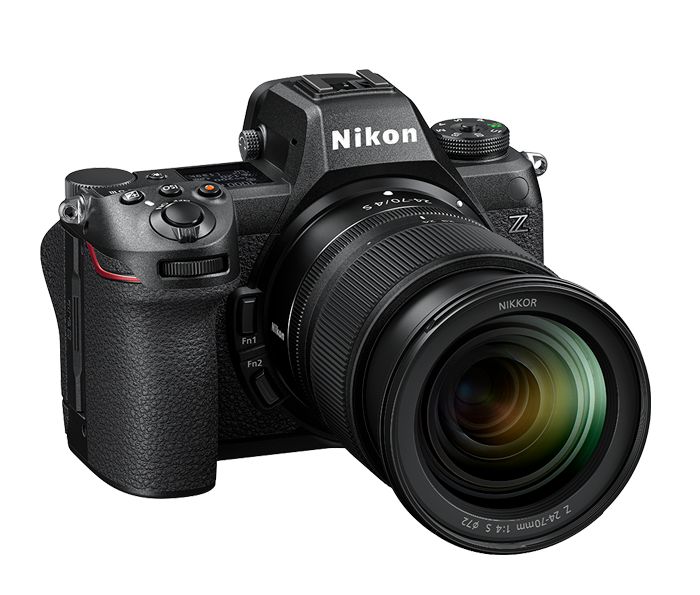
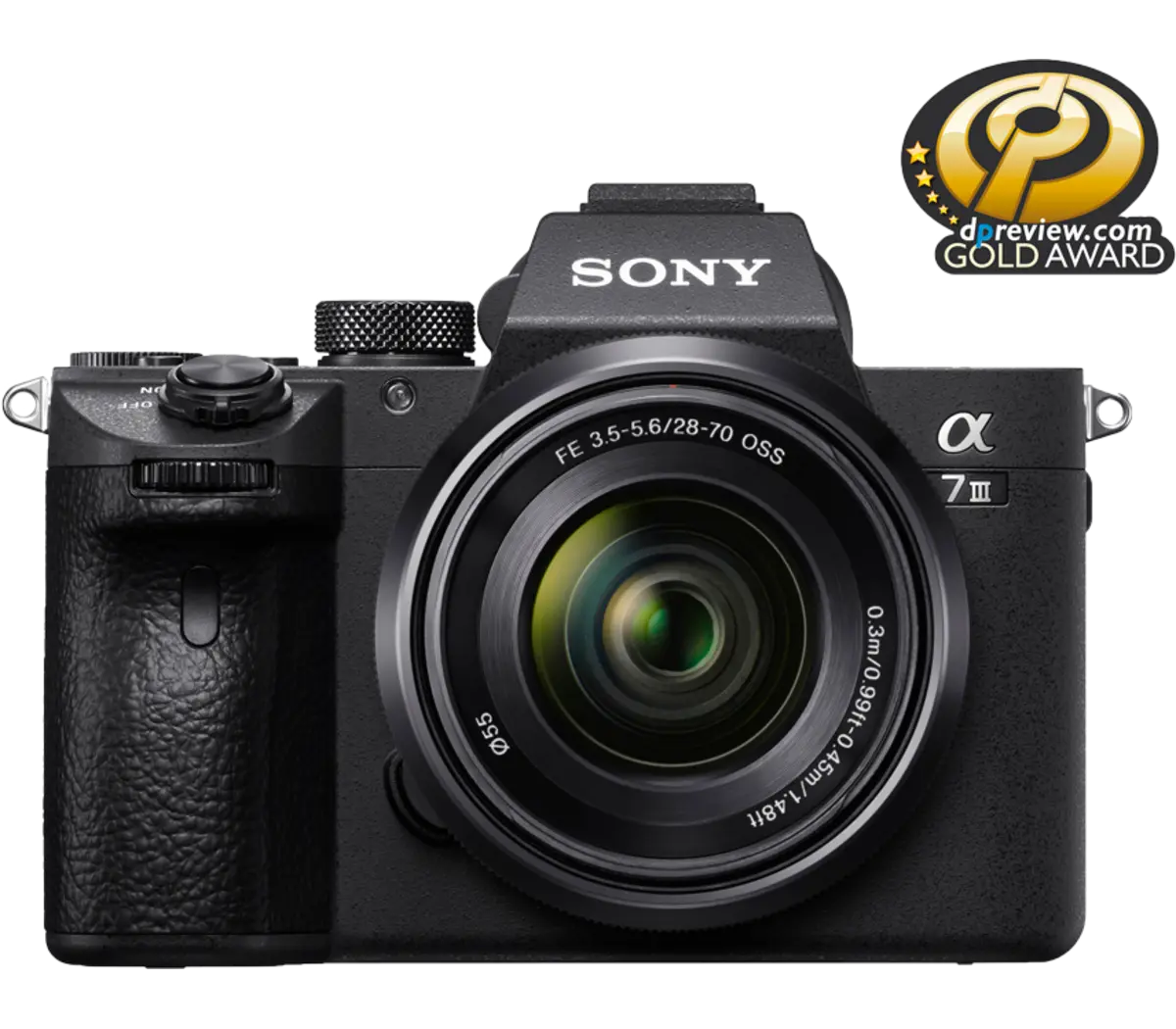
The Nikon Z6III and Sony A7 III are both outstanding full-frame mirrorless cameras that have garnered significant attention in the photography community. Photographers and videographers alike often find themselves choosing between these two models due to their rich feature sets, strong performance, and reputation for reliability. Users who may be deciding between the two often prioritize factors such as image quality, autofocus capabilities, video features, and overall system compatibility, which can greatly influence their creative workflows. Furthermore, the recent release of the Nikon Z6III in 2024 positions it as a contemporary competitor to the established and trusted Sony A7 III, launched in 2018, sparking discussions about the latest advancements in technology versus proven reliability and performance.
Specifications Comparison
Detailed Comparison
Image Quality
In terms of image quality, both the Nikon Z6III and Sony A7 III deliver impressive results thanks to their full-frame sensors. The Z6III features a slightly higher megapixel count at 25 MP compared to the A7 III's 24 MP, which may provide marginally more detail in certain situations. The ISO range of the Z6III extends from 100 to 64000, whereas the A7 III operates from 100 to 51200, offering somewhat superior high ISO capabilities with a wider range. This allows for better low-light performance on the Z6III. Additionally, the Z6III utilizes a more advanced image processing engine, which can lead to enhanced color fidelity and dynamic range. However, the A7 III is known for its true-to-life colors and robust performance in JPEG mode, appealing to those who prefer out-of-camera results.
Considering overall image quality and flexibility, especially in challenging lighting scenarios, the advantage leans slightly towards the Nikon Z6III.
Autofocus System
Autofocus performance is crucial for any photographer, and here the Sony A7 III holds a significant advantage with its 693 phase-detection autofocus points compared to the 273 points in the Nikon Z6III. The A7 III's autofocus system is highly responsive, with impressive tracking capabilities, which is particularly beneficial for fast-moving subjects like in sports and wildlife photography. Moreover, the face and eye detection features are incredibly effective in portrait photography.
In contrast, the Nikon Z6III, while possessing a competent autofocus system, may not compete at the same level for fast action photography. However, it does offer substantial improvements in object detection in the latest model. For photographers needing robust autofocus, especially in dynamic situations, the A7 III is currently the more reliable choice due to its extensive autofocus points and quick acquisition.
Video Capabilities
When it comes to video capabilities, the Nikon Z6III provides a substantial upgrade with features that a lot of videographers look for in a modern camera. It boasts full-frame 4K recording capabilities, offering a maximum frame rate of 30 fps, plus it can handle 10-bit output over HDMI. This gives videographers more depth and color grading options. The Z6III's improved stabilization system, rated at 8 stops, significantly aids handheld shooting, providing smoother footage under a variety of conditions.
Meanwhile, the Sony A7 III holds up well with its own 4K recording, but it is locked to 30 fps as well and lacks some advanced features present in the latest model. Its 5-stop stabilization is effective but does not match the Z6III's capabilities. While both cameras are excellent for video work, the Z6III excels with its advanced features, making it a better choice for dedicated video content creators.
Build & Ergonomics
Both cameras are well-built with weather-sealing, allowing photographers to shoot in various environments confidently. The Nikon Z6III, measuring 139 x 102 x 74 mm and weighing 760 grams, is slightly larger and heavier than the Sony A7 III, which measures 127 x 96 x 74 mm and weighs 650 grams. This might be a consideration for those prioritizing portability.
Additionally, the ergonomics differ slightly; the Z6III has a more substantial grip, making it comfortable for prolonged shooting sessions. However, the A7 III's compact design appeals to those needing a lightweight system for travel. Users will have preferences based on personal comfort, but both models exude professional build quality and reliability.
Battery & Storage
The Sony A7 III outperforms the Nikon Z6III in battery life, offering approximately 710 shots per charge compared to the Z6III's 380 shots. This longevity is a significant advantage for photographers on long shoots without immediate access to a power source. In addition to battery life, the A7 III supports dual SD card slots, enhancing storage options and providing flexibility for backup or separate file types.
The Z6III is equipped with a single slot and utilizes the newer CFexpress format alongside SD cards, which may offer faster read/write speeds but lacks the capacity offered by dual slots for most users. For those who prioritize extended shooting sessions and extensive storage capabilities, the A7 III has the upper hand.
Value for Money
At a price point of $2000, the Sony A7 III presents itself as a more budget-friendly option compared to the Nikon Z6III, which has a price tag of $2500. While both cameras provide advanced features and build quality, the A7 III's lower price coupled with its strong performance makes it a compelling choice for entry-level to mid-range photographers. The value proposition becomes more pronounced when considering the added versatility and battery endurance of the A7 III.
That said, the Nikon Z6III's enhancements in video features, sensor performance, and low-light capabilities may justify its higher cost for certain users, particularly those who need the latest technology and are willing to invest for the best performance in challenging conditions.
Our Verdict
While both the Nikon Z6III and the Sony A7 III stand out in their capabilities, the overall verdict leans towards the Sony A7 III due to its superior autofocus system, extended battery life, and more affordable price point, making it a well-rounded option for a variety of needs. However, the Nikon Z6III shines brightly in image quality and video features, making it an excellent choice for dedicated video creators and those requiring advanced low-light performance. Ultimately, prospective buyers should consider which specific features align best with their photography or videography style and requirements.
Nikon Z6III
Sony A7 III
Also Compare
Frequently Asked Questions
Which camera has better low-light performance?
The Nikon Z6III offers better low-light performance with a wider ISO range up to 64000, allowing for more versatility in challenging lighting conditions.
Is the autofocus on the Sony A7 III significantly better?
Yes, the A7 III has 693 autofocus points, which provide quicker and more accurate focusing than the Z6III's 273 points, particularly advantageous for fast-moving subjects.
How does video quality compare between the two models?
The Nikon Z6III features more advanced video capabilities, including 10-bit HDMI output and superior stabilization, making it more suitable for video professionals compared to the A7 III.
Which camera is better for travel?
The Sony A7 III is lighter and has better battery life, making it a more practical choice for travel photography where portability and endurance are key.
Are both cameras weather-sealed?
Yes, both the Nikon Z6III and Sony A7 III are weather-sealed, allowing them to withstand various environmental conditions.
Which is the more budget-friendly option?
The Sony A7 III is 25% less expensive than the Nikon Z6III, making it a more attractive option for photographers looking for value without compromising on performance.