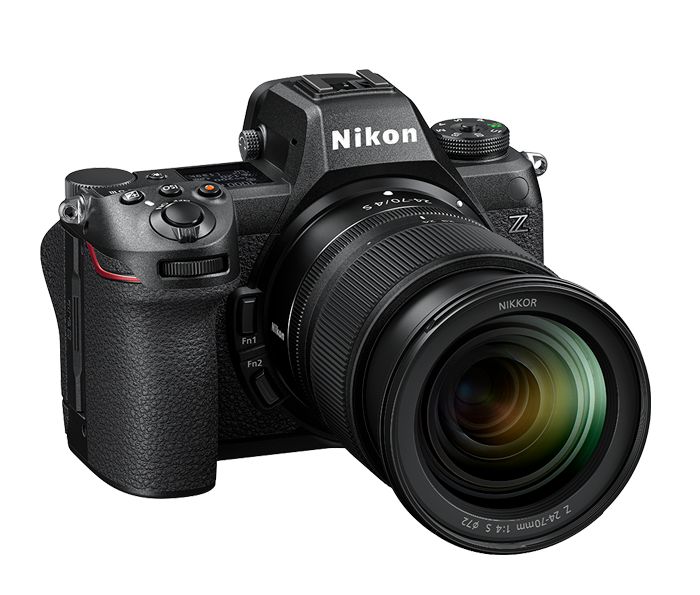
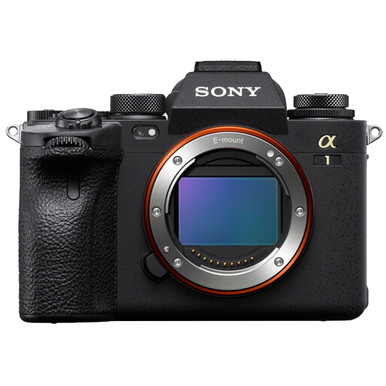
The Nikon Z6III and Sony A1 are two high-performance full-frame mirrorless cameras that often come up in conversations among videographers, photographers, and tech enthusiasts alike. Both models cater to professionals seeking advanced features, superior image quality, and enhanced performance. The primary demographics choosing between these two often include wildlife photographers, videographers, and anyone engaged in high-stakes environments where performance and reliability matter. The key differentiators lie in their sensor resolution, autofocus capabilities, video features, and overall value for money, which can make one a better fit depending on individual needs and preferences.
Specifications Comparison
Detailed Comparison
Image Quality
In terms of image quality, the sensor specifications place the Sony A1 ahead of the Nikon Z6III. With 50 megapixels compared to Z6III's 25 megapixels, the A1 offers greater detail and resolution, making it ideal for large prints and cropping flexibility. The A1's ISO range also boasts a more extensive expansion, reaching up to 102400, vs. the Z6III's maximum limit of 64000, further enhancing low-light performance and versatility in various shooting conditions.
However, while the Z6III has fewer megapixels, it still produces stunning images that are more than capable for most applications, with a strong balance of noise control and dynamic range. The A1's image processing architecture helps manage noise effectively at higher ISO settings, but the Z6III holds its own in real-world scenarios where ultimate resolution isn't the primary concern. Both cameras employ impressive image stabilization, with the Z6III's 8 stops giving it a slight edge for handheld shooting situations.
Ultimately, while the Sony A1 leads in raw resolution and extended ISO capabilities, the Z6III is more than capable of delivering excellent image quality that suits a wide range of photographic situations.
Autofocus System
The autofocus systems in both cameras are among the best available, but the Sony A1 has a more advanced approach with 759 autofocus points compared to the Z6III's 273. This enhances A1's ability to lock onto subjects quickly and maintain focus, especially in dynamic settings or when tracking moving subjects. Furthermore, the A1's Real-time Eye autofocus and animal detection capabilities contribute significantly to its autofocus performance.
On the other hand, the Z6III, while having fewer points, still offers commendable autofocus performance with reliable tracking abilities for most scenarios. Its 273 points are well-distributed across the frame, providing good coverage. However, the less sophisticated technology and fewer autofocus points may diminish its performance compared to its Sony counterpart in fast-paced environments.
Given the focus depth and advanced tracking capabilities, the Sony A1 emerges as the clear leader in this comparison, making it more suitable for action photography, wildlife, or any setting where speed is paramount.
Video Capabilities
The video recording features greatly influence the utility of a camera for videographers. The Sony A1 offers impressive 4K video recording at up to 120fps, allowing for high-quality slow-motion footage, which is particularly useful for action scenes or creative projects. In contrast, while the Z6III also delivers strong video performance, its specifications have not been confirmed to reach comparable framerates.
Additionally, the A1 supports 10-bit 4:2:2 internal recording and offers extensive video customization features, further catering to professional videographers' needs. The Sony A1 excels here, appealing to users who seek high frame rates and enhanced detail in video.
While the Z6III is known for its good overall video quality, especially with robust in-body stabilization, the A1's advanced video capabilities firmly position it as the winner for videographers and filmmakers looking for top-tier performance.
Build & Ergonomics
Both cameras feature weather-sealed bodies that enhance their durability in challenging environments, making them suitable for outdoor photography. The Nikon Z6III has a slightly larger profile and is heavier at 760g compared to the 737g of the A1 but offers a comfortable grip that many photographers prefer. The added size can benefit ergonomics for extended shooting sessions.
The Z6III's larger 3.1″ screen with 2,100,000 dots allows for better clarity and a more user-friendly experience, particularly in bright environments. In contrast, the A1's 3″ screen resolves at 1,440,000 dots, which, while still competent, may not provide the same level of detail when composing shots.
In terms of layout and button access, both cameras are designed for easy handling, but the Z6III's slightly larger and more robust design can be more appealing for users who handle larger lenses. Overall, while both cameras excel in build quality, the Z6III's advantages in screen resolution and ergonomics give it the edge.
Battery & Storage
When it comes to battery life, the Sony A1 outperforms the Nikon Z6III with a capacity to take approximately 530 shots per charge compared to Z6III's 380 shots. This makes the A1 a better choice for extended shoots or circumstances where access to charging equipment is limited.
In terms of storage, both cameras accept high-speed CFexpress Type A cards, but the A1 offers dual slots, enhancing performance for burst shooting and managing large video files. The Z6III, however, includes a single XQD/CFexpress slot that may limit its buffer capabilities, especially during high-resolution bursts.
The Sony A1's battery longevity and dual-card slots make it a more practical choice for professionals requiring high-capacity storage and extended shooting without interruptions.
Value for Money
Value is a significant element in making a purchasing decision, especially when comparing these two premium cameras. The Nikon Z6III, priced at $2500, offers robust features suitable for most photographers at a much more accessible price point. It is an excellent option for enthusiasts and professionals who need a balance of quality and performance without the high-end price.
Conversely, the Sony A1's $6500 price tag reflects its status as a flagship model, packed with superior specifications like a higher resolution, unmatched autofocus capabilities, and extensive video features. Although it is an investment, for professionals who require cutting-edge technology, the A1 justifies its price through enhanced performance.
Ultimately, if budget-friendliness is a priority, the Nikon Z6III offers remarkable value without sacrificing essential features. However, for those who seek the best in class regardless of the price, the Sony A1 is undoubtedly the premium option.
Our Verdict
While the Nikon Z6III demonstrates impressive capabilities and presents excellent value for budget-conscious buyers, the overall comparison underscores the Sony A1 as the superior choice for those demanding the utmost performance in resolution, autofocus technology, and video capabilities. The A1's superior image resolution, lightning-fast autofocus, and extensive video features make it a standout option in the high-end market. On the other hand, the Z6III is a fantastic camera for photographers in need of a reliable and cost-effective solution, particularly for still photography and everyday use.