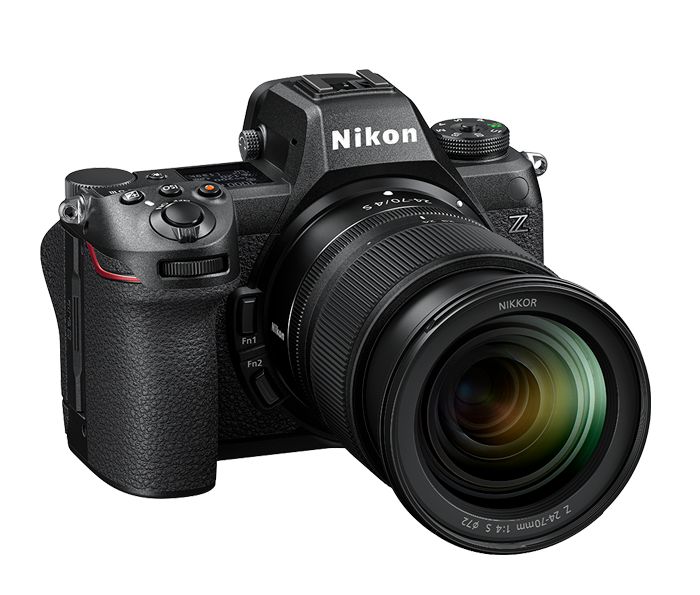
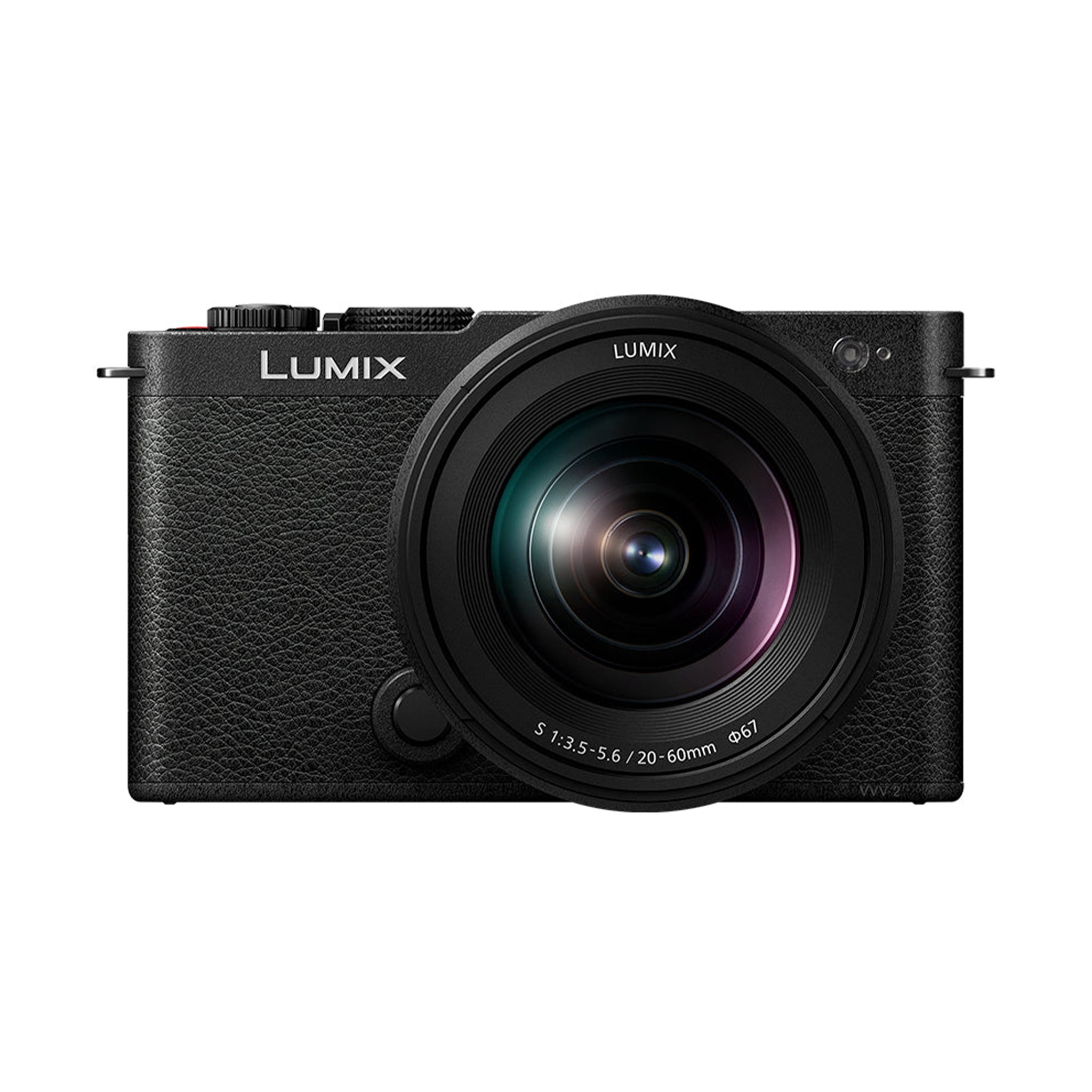
The Nikon Z6III and Panasonic S9 are two compelling full-frame mirrorless cameras released in 2024, each targeting photographers and videographers looking for high-performance options. With the rise of mirrorless technology, these models often come up in discussions about versatility, image quality, and value for money. Both cameras cater to serious enthusiasts and professionals, making them prime contenders for those aiming to elevate their photography and videography skills.
Key differentiators lie in their specifications, particularly in terms of sensor performance, autofocus capabilities, video options, and build quality. As a result, potential buyers may find themselves torn between the Nikon Z6III's robust image quality and superior stabilization against the Panasonic S9's impressive video capabilities and lighter weight, impacting portability. This comparison will delve into various aspects of both cameras to help buyers make an informed choice.
Specifications Comparison
Detailed Comparison
Image Quality
The Nikon Z6III features a 25-megapixel full-frame sensor, slightly outperforming the Panasonic S9, which has a 24-megapixel sensor. Both cameras capture impressive images with good dynamic range. However, the Nikon's higher pixel count can offer slight advantages in detail resolution, particularly for large prints or heavy cropping. Additionally, the Z6III has a wider ISO range up to 64,000 compared to the S9, which enhances low-light performance, offering clearer images in challenging conditions.
On the other hand, the difference in megapixels may not be significant for many users, especially considering the S9's built-in processing may yield excellent color reproduction that is often favored for video shooting. The full-frame sensor design in both cameras allows for great depth of field control and produces pleasing bokeh, appealing to both portrait and landscape photographers.
In practical applications, users should assess their specific needs: if they prioritize low-light photography and higher detail resolution, the Nikon Z6III would be the preferable option. However, both cameras deliver strong image quality satisfactory for most professional needs. Thus, this round yields competitive image quality overall but leans towards Nikon for its additional benefits in resolution and ISO performance.
Autofocus System
The Nikon Z6III utilizes a robust autofocus system with 273 points, ensuring precise focus even in challenging lighting environments. This extensive coverage can be a significant advantage for action photography, allowing users to track fast-moving subjects effectively. It also benefits from advanced tracking algorithms that enhance the overall autofocus performance during both photo and video capture.
Contrastingly, while Panasonic hasn't released specific autofocus point numbers for the S9, it is known for its contrast detection systems that can be reliable but typically slower compared to phase detection systems like that of the Nikon. Users aiming for capturing sports or wildlife may find the Nikon Z6III more suited for their needs due to its superior focusing capabilities.
That said, the S9 could still meet the requirements of casual photographers and videographers, especially those who may not demand the absolute fastest autofocus. However, in a head-to-head comparison with the autofocus performance being a critical aspect, the Nikon Z6III's system stands out, thus earning the win here.
Video Capabilities
When it comes to videography, the Panasonic S9 shines with its video resolution options, delivering up to 5.9K recording capabilities. Additionally, it supports various formats like UHD 4K, DCI 4K, and 1080p, making it a versatile choice for filmmakers looking to achieve the highest resolution and frame rate possible. The S9's emphasis on video is further supported by its efficient thermal management and film-log profiles for post-production flexibility.
In contrast, while the Nikon Z6III does not match the S9's maximum resolution, it still offers robust 4K recording options with superior in-body stabilization rated at 8 stops, crucial for handheld shooting. However, the Z6III's focus primarily leans towards still photography, which could lead videographers to perceive it as less favorable for dedicated video work in comparison to the S9.
Therefore, for users whose primary focus is on videography, or those who frequently incorporate video into their workflows, the Panasonic S9 is evidently the stronger option. This section leans towards Panasonic due to its superior video specifications and capabilities.
Build & Ergonomics
In terms of build quality, both the Nikon Z6III and Panasonic S9 exhibit weather sealing for robustness, which is essential for outdoor shooting in varying conditions. The Nikon Z6III measures 139mm x 102mm x 74mm and weighs 760 grams, which might feel bulkier, but it provides a solid grip that many photographers appreciate for extensive usage.
The Panasonic S9, being more compact at 126mm x 73.9mm x 46.7mm and weighing just 486 grams, offers increased portability, making it an attractive choice for travel photographers and those requiring a lightweight camera. The smaller size does not significantly detract from comfort, but users with larger hands might still prefer the grip and handling of the Z6III.
Ultimately, the choice here may be influenced heavily by personal preference regarding size and weight versus perceived sturdiness and ergonomics of the grip. Those prioritizing portability will lean towards the S9, while those seeking a robust feel in hand might prefer the Z6III, making this aspect a close competition.
Battery & Storage
Battery performance is crucial for long shooting sessions, and here, the Nikon Z6III significantly outperforms the Panasonic S9. With a reported battery life of 380 shots, the Z6III's larger battery allows for extensive use without frequent changes, which can be a game-changer for event or landscape photographers.
On the other hand, Panasonic has yet to specify its battery capacity for the S9, which might indicate shorter life spans under continuous usage. Additionally, the Z6III's dual card slots enable simultaneous photo storage or overflow capabilities, providing more security for important shoots. In contrast, S9's storage capabilities are currently unspecified and may indicate only a single slot.
Given the importance of battery life and storage facilities for professional work, the Nikon Z6III stands out, offering uninterrupted shooting experiences and flexibility that would cater more effectively to users needing prolonged shooting sessions. Thus, in this category, the Nikon Z6III takes the lead.
Value for Money
The Nikon Z6III is priced at $2500, which is competitive given its hybrid capabilities for both photography and video. It particularly excels in low-light performance and image stabilization, along with a solid autofocus system, making it a well-rounded choice for a variety of photographic endeavors.
In comparison, while the Panasonic S9 hasn't explicitly defined its price, if aligned with traditional Panasonic pricing trends, it may offer budget-friendly options aimed primarily at video creators. However, the lower weight and higher video resolution capabilities may not justify higher costs when compared to the well-balanced feature set of the Z6III.
Ultimately, potential buyers must consider their main requirements: for those focused on stills with some video work, the Z6III provides a compelling value. Conversely, if producing high-resolution video stands foremost, the S9 could offer better value, but overall, when factoring in capabilities to meet diverse needs efficiently, the Z6III emerges as the better value in this head-to-head.
Lens Ecosystem
Lens availability can heavily impact a user's experience, and the Nikon Z system has seen a steady expansion, making it appealing for users seeking a range of native lenses tailored to different styles, especially portrait, wide-angle, and macro options. The Z mount allows for a backwards compatibility with F-mount lenses using an adapter, further enhancing its usability for photography veterans transitioning to mirrorless.
In contrast, the Panasonic S9, utilizing the L-Mount, also benefits from an ecosystem supported by various manufacturers, including Sigma and Tamron, providing users with an array of lenses tailored for multiple genres as well. However, it may not offer the same brand lens depth as Nikon's portfolio currently does.
Ultimately, the lens ecosystem of both brands is solid, but Nikon holds a slight edge due to its extensive line of dedicated lenses and compatibility with older glasses. Therefore, lens options should be considered depending on future photographic needs and investment in glass.
Our Verdict
While both the Nikon Z6III and Panasonic S9 have their respective strengths, the Nikon Z6III ultimately earns the title of the better overall camera, especially for photographers who prioritize image quality, autofocus performance, and battery life. Its robust still photography capabilities make it a more versatile choice for those who also engage in video work. The Panasonic S9, while excellent for video aficionados looking for maximum recording resolution, doesn't quite match the all-around utility and reliability showcased by the Z6III, thereby making it more fitting for dedicated videographers. Depending on the individual needs of the user, either camera can excel, but the Z6III's comprehensive range of features solidifies its position as the preferred choice for most.