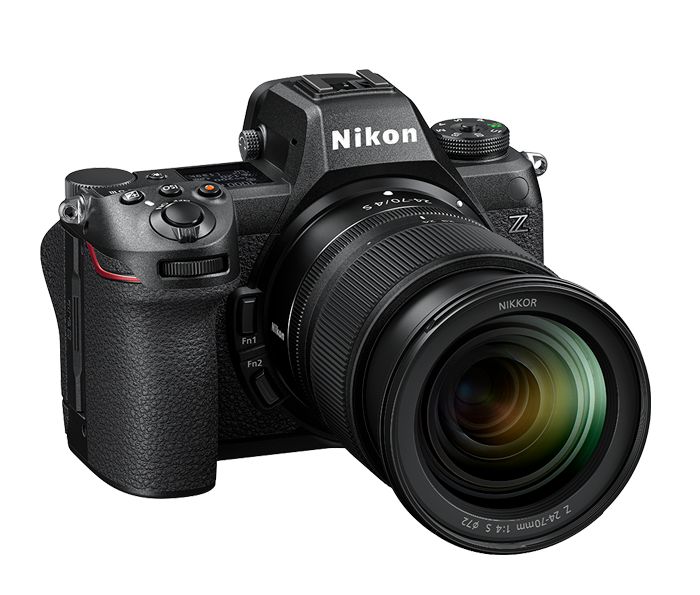
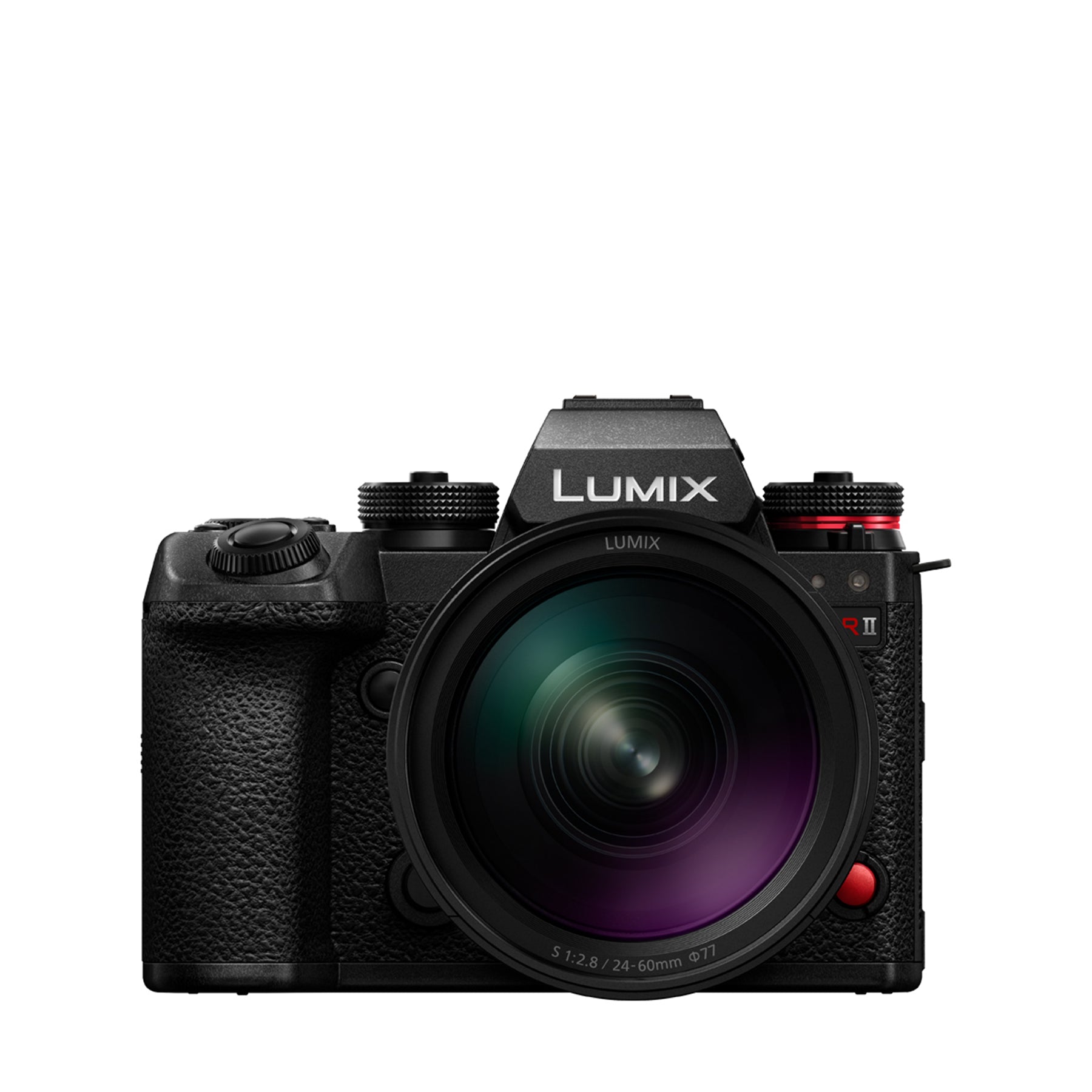
The Nikon Z6III and Panasonic S1R II are two high-performance mirrorless cameras that are commonly compared due to their full-frame sensors and robust feature sets. Both models attract professional photographers and advanced enthusiasts who seek superior image quality and excellent performance in various shooting conditions. While the Nikon Z6III leans towards a balanced approach with a strong emphasis on versatility, the Panasonic S1R II boasts a higher megapixel count, appealing to those who prioritize detailed resolution and advanced video capabilities. Understanding the strengths and weaknesses of each can help potential buyers navigate this competitive segment of the market.
Specifications Comparison
Detailed Comparison
Image Quality
The Nikon Z6III features a full-frame sensor with a resolution of 25 megapixels, delivering excellent image quality with vibrant colors and smooth gradients. Its ISO range of 100-64000 allows for great performance in low light, ensuring that images maintain clarity and minimal noise at higher ISO settings. This makes the Z6III a strong contender for various types of photography, including low-light scenarios.
In contrast, the Panasonic S1R II steps up the game with a 44.3-megapixel full-frame sensor, providing a significant advantage in terms of resolution. The higher pixel count allows for detailed images that can withstand heavy cropping while retaining quality, which is particularly beneficial for landscape and studio photographers. However, higher megapixels can also mean larger file sizes, requiring more storage and processing power.
While both cameras offer exceptional image quality, the choice ultimately hinges on the photographer's needs: the Z6III is excellent for overall versatility and low-light performance, whereas the S1R II shines in producing incredibly detailed and large prints. Thus, in terms of image quality, the winner is the S1R II for its resolution advantage, especially for detailed work.
Autofocus System
The Nikon Z6III is equipped with a sophisticated autofocus system featuring 273 focus points, which allows for quick and accurate focus acquisition across the frame. Its hybrid autofocus system combines phase detection and contrast detection, making it adept at tracking moving subjects. This is particularly useful for events like sports and wildlife photography, where subjects may be moving quickly.
On the other hand, the S1R II also utilizes an advanced autofocus system, though specific autofocus point data is not detailed. Panasonic's contrast-detection system with Depth From Defocus (DFD) technology enhances focus speed and accuracy, but it typically cannot match the phase-detection performance of the Z6III in complicated lighting or moving subjects situations.
Given the importance of autofocus in dynamic shooting scenarios, the Nikon Z6III clearly takes the lead. Its extensive autofocus points and faster performance make it more reliable for action photography, thus making it the winner in this category.
Video Capabilities
The video capabilities of the Nikon Z6III are impressive, supporting up to 4K video recording at 60fps, making it suitable for high-quality video projects. The combination of high framing rates and robust in-body stabilization allows for smooth handheld shooting, appealing to both videographers and those looking to create dynamic content.
In comparison, the Panasonic S1R II excels in the video department, boasting 8K video recording at 30p and 4K at 120p capabilities. This places it at a significant advantage for video enthusiasts who seek high-resolution recording or slow-motion capabilities. The built-in sensor-shift stabilization further enhances the quality, reducing shake and producing cleaner footage during handheld shooting.
For individuals primarily focused on videography, the S1R II stands out as the better option due to its superior video resolution and advanced recording features. Therefore, for video capabilities, the S1R II wins convincingly.
Build & Ergonomics
The Nikon Z6III is designed with ergonomics in mind, measuring 139 x 102 x 74 mm and weighing 760g. Its weather-sealed body provides durability in challenging conditions, assuring photographers that they can shoot in rain or dust without worrying about damaging the internals. The camera is also constructed to be user-friendly, with accessible controls for quick adjustments, appealing to both novice and experienced users alike.
In contrast, the Panasonic S1R II boasts a more robust and slightly larger build while still being relatively lightweight. It is also weather-sealed, further emphasizing its suitability for outdoor photography. However, its bulkier dimensions may make it less portable for some users.
Both cameras offer excellent build quality, but the Nikon's enhanced ergonomics and ease of handling give it the edge for extended shooting sessions. Therefore, the winner in this aspect is the Nikon Z6III.
Battery & Storage
The Nikon Z6III features a battery life capable of around 380 shots on a single charge, which is decent for a mirrorless camera. It offers dual SD UHS-II card slots, allowing for ample storage for both backup and extended shooting sessions. This is particularly useful for photographers who shoot in bursts or require overflow capacity for larger file sizes.
The Panasonic S1R II has a larger battery capacity which contributes to its ability to shoot a similar number of shots, but detailed specs about total shot performance are not specified. It also supports dual SD card slots, enhancing its storage capabilities in a similar fashion to the Z6III.
In this area, both cameras have strong offerings, yet the Nikon's known performance and specifications provide a slight edge in user experience and reliability when considering storage and battery life. Therefore, the winner is the Z6III.
Value for Money
The Nikon Z6III comes with a price tag of $2,500 and offers an impressive blend of features that cater to both photographers and videographers. This all-rounder design makes it a fantastic choice for users who require a dependable camera for a variety of shooting situations, making it a sound investment.
The Panasonic S1R II is priced higher, reflecting its more advanced features, especially its high-resolution sensor and video capabilities. However, its higher cost can be justified for professionals or serious enthusiasts who require superior detail and extensive video functionality.
In terms of overall value, the Nikon Z6III offers a well-rounded feature set at a comparatively lower price, while the S1R II may be better for those who specifically need high-resolution stills and advanced video capabilities. Consequently, the Z6III provides more value for general usage, resulting in the win for this category.
Our Verdict
The Nikon Z6III emerges as the overall winner in this comparison, offering a balanced performance with exceptional autofocus, good battery life, and an attractive price point for its capabilities. While the Panasonic S1R II excels in image resolution and video features, making it ideal for specific use cases such as commercial photography and videography, the Z6III is ultimately a better fit for a broader range of users, particularly those looking for a dependable all-rounder. Those who prioritize resolution and advanced video options may still find the S1R II worthwhile, but the Z6III's overall package offers more versatility and value for varying photography needs.
Nikon Z6III
Panasonic S1R II
Also Compare
Frequently Asked Questions
Which camera is better for low-light photography?
The Nikon Z6III has a wider ISO range (100-64000) and performs exceptionally well in low-light conditions, making it a better choice for low-light photography.
Is the S1R II worth the higher price?
Yes, if you require higher resolution images and advanced video capabilities such as 8K recording, the S1R II is worth the investment.
Which camera is lighter and more portable?
The Nikon Z6III is lighter at 760g and more compact compared to the S1R II, making it a more portable option for travel and street photography.
How does the autofocus performance compare?
The Nikon Z6III has 273 autofocus points and performs better in dynamic situations, while the S1R II uses contrast detection which can lag in fast-paced scenarios.
What is the battery life like for each camera?
The Nikon Z6III has a rated battery life of about 380 shots, while the S1R II has similar performance but without specific shot numbers. Both have dual card slots for extended storage.