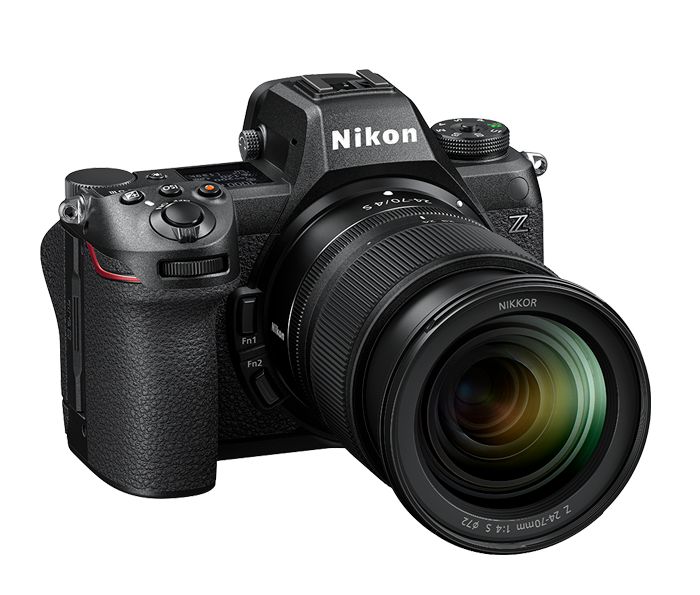
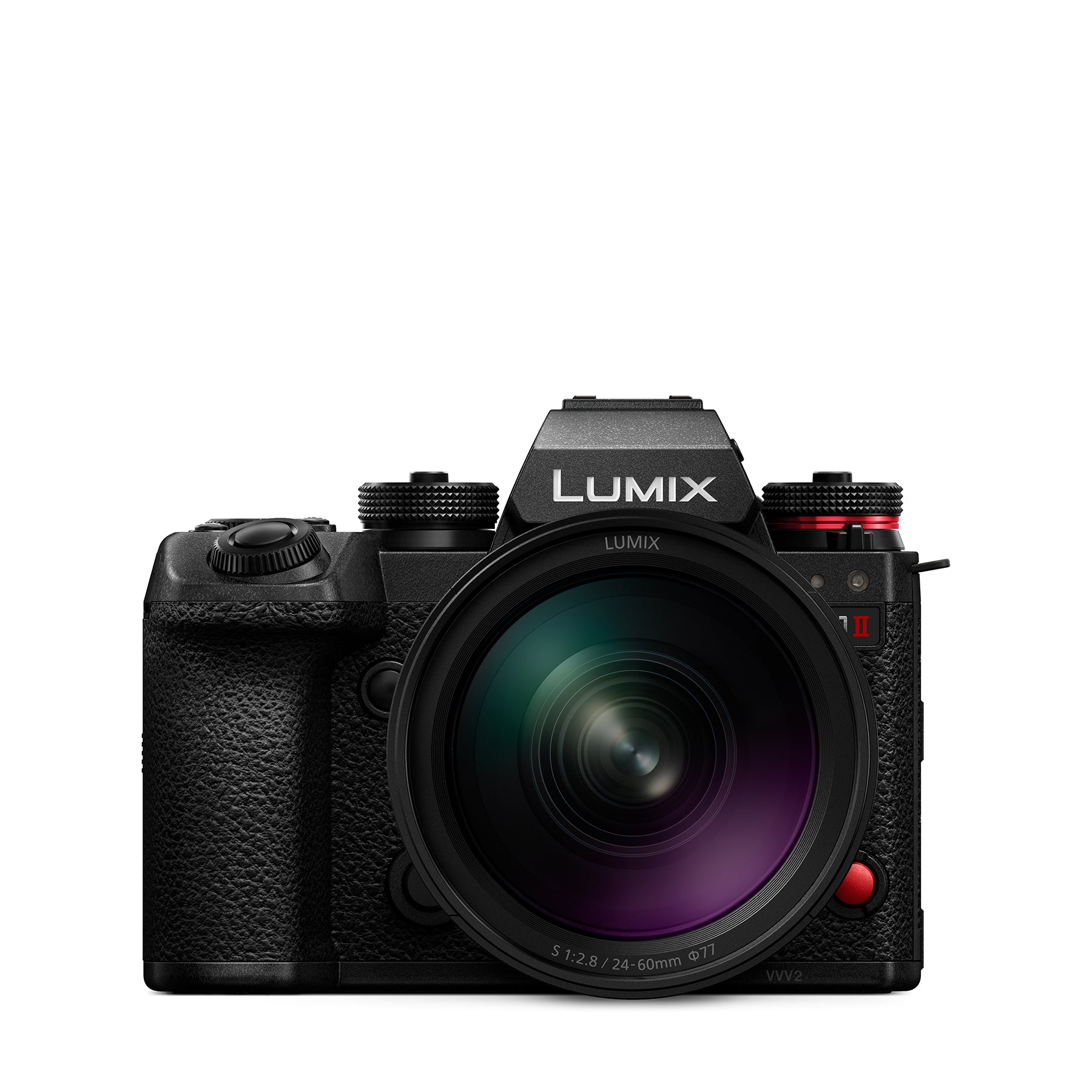
The Nikon Z6III and Panasonic S1 II are two competitive full-frame mirrorless cameras that appeal to both professional photographers and advanced hobbyists. Both models are renowned for their robust feature sets, including high-resolution image capture, advanced autofocus systems, and impressive stabilization. Choosing between them often comes down to specific user needs, particularly for still photography versus video performance. As these cameras are priced in a similar range, potential buyers are drawn to their unique features and strengths, making them a common comparison in the mid-to-high-end mirrorless segment.
Specifications Comparison
Detailed Comparison
Image Quality
When it comes to image quality, both the Nikon Z6III and Panasonic S1 II boast impressive full-frame sensors, although there are subtle differences. The Nikon Z6III has a slightly higher megapixel count at 25 megapixels compared to the 24.1 megapixels of the S1 II. This difference may not be significant for most users, but it can provide a slight edge in detail retention and cropping capabilities in the Z6III. Furthermore, Nikon's advanced image processing algorithms contribute to excellent dynamic range and color depth, particularly in low-light conditions, where its ISO range of 100-64000 shines. On the other hand, the Panasonic S1 II also performs well, though its video-centric design may prioritize color accuracy and dynamic range for video capture over stills. In real-world use, the differences in image quality between the two are marginal, but the Nikon performs slightly better for still photography enthusiasts.
Autofocus System
Both cameras feature advanced autofocus systems designed to meet the demands of various shooting conditions. The Nikon Z6III offers 273 autofocus points, providing extensive coverage of the frame and allowing for precise focusing even in challenging light. This system is particularly effective for capturing fast-moving subjects, making it ideal for sports photography. The S1 II, while lacking a specific number of autofocus points, employs a sophisticated DFD (Depth From Defocus) technology designed for speedy and accurate focusing, especially in video capture. However, reviews indicate that while the S1 II performs admirably, particularly in video contexts, the Z6III's autofocus system tends to offer a more reliable performance, particularly for stills. Thus, for photographers who prioritize rapid subject tracking and focusing in various environments, the Z6III takes the lead.
Video Capabilities
The Panasonic S1 II excels in video features, solidifying its reputation as a dual-threat camera for both stills and video. With the capability of recording in 5.1K at 60p, it offers high-resolution video performance that is unmatched in this comparison. The S1 II also provides advanced video features like V-Log and various frame-rate options that filmmakers find valuable. On the other hand, the Nikon Z6III does support 4K video recording but lacks the same high-frame-rate options and resolutions found in the S1 II. For videographers, particularly those who plan on creating high-resolution video, the S1 II is clearly the superior choice. Therefore, this comparison highlights a clear winner for video capabilities.
Build & Ergonomics
Both the Nikon Z6III and Panasonic S1 II feature rugged, weather-sealed constructions, appealing to outdoor photographers. The Z6III has a slightly lighter body at 760 grams, which might be an advantage for those looking for portability without sacrificing durability. In terms of ergonomics, the design of the Z6III is well-regarded for its comfortable grip and intuitive layout, which can enhance shooting experiences over long periods. The S1 II, while slightly bulkier, is built with a robust feel and ergonomic controls that some users may favor in more demanding shooting conditions. Therefore, both cameras are designed for durability and comfort, leading to a tie in this section based on user preference for weight versus grip usability.
Battery & Storage
Battery life can significantly affect shooting sessions, and here the Nikon Z6III boasts a better performance with approximately 380 shots on a single charge. In contrast, while specific battery shots for the S1 II aren't provided, actual user experiences suggest it may fall short under similar conditions. Regarding storage, both models utilize SD cards, but the Z6III allows for dual card slots to accommodate more extensive shooting needs and backup. Therefore, for photographers aiming for extended shooting sessions without downtime, the Nikon Z6III clearly has the advantage.
Value for Money
The Nikon Z6III is priced at $2500 and offers robust features for still photography enthusiasts, including superior autofocus performance and battery life. However, the Panasonic S1 II, released at a similar price point, markets video performance as its highlight, making it attractive for videographers. Buyers must weigh their specific needs; if the primary use is still photography, the Z6III provides better value given its features. Conversely, for those focused on high-quality video recording, the S1 II's capabilities justify the same cost. This aspect remains closely matched but leans towards Nikon for traditional photography value.
Lens Ecosystem
When considering the lens ecosystem, both Nikon and Panasonic provide a range of high-quality lenses designed for their respective cameras. Nikon has an established reputation for offering many native Z-mount lenses that cater to a wide variety of photography styles, from portraiture to landscape. Panasonic's L-Mount system, supported by partners like Sigma and Leica, also boasts a versatile selection of lenses. However, as the Nikon Z series is more mature, potential Z6III users may find more readily available options in the Nikon lens lineup compared to the relatively newer L-Mount system. Hence, while both ecosystems are impressive, Nikon's established presence gives it a slight edge.
Our Verdict
Overall, the Nikon Z6III emerges as the winner in this comparison due to its superior still photography capabilities, better autofocus system, and improved battery life. It excels in scenarios where high-resolution stills are the primary focus. Meanwhile, the Panasonic S1 II stands out for videographers who prioritize high-quality video features. Buyers should choose the Z6III for a balanced stills and overall image capture experience; conversely, the S1 II is an excellent choice for those focused primarily on video production.
Nikon Z6III
Panasonic S1 II
Also Compare
Frequently Asked Questions
What is the primary use case for each camera?
The Nikon Z6III is ideal for those who prioritize high-quality still photography, while the Panasonic S1 II is targeted at video creators looking for advanced video features.
How do the autofocus systems compare in low light?
The Nikon Z6III generally offers better autofocus performance in low light conditions, making it more suitable for nighttime and challenging-light photography.
Is one camera better for travel photography?
The Nikon Z6III's lighter weight and impressive battery life make it more travel-friendly for photographers on the go.
Which camera has better post-processing capabilities?
Both cameras offer strong post-processing options, but the Nikon Z6III's higher megapixel count may provide more flexibility during editing.
What are the advantages of the lens systems for each camera?
Nikon's Z mount lenses offer a more extensive range due to the system's maturity, while Panasonic's L-Mount provides flexibility with third-party lens options from Sigma and Leica.