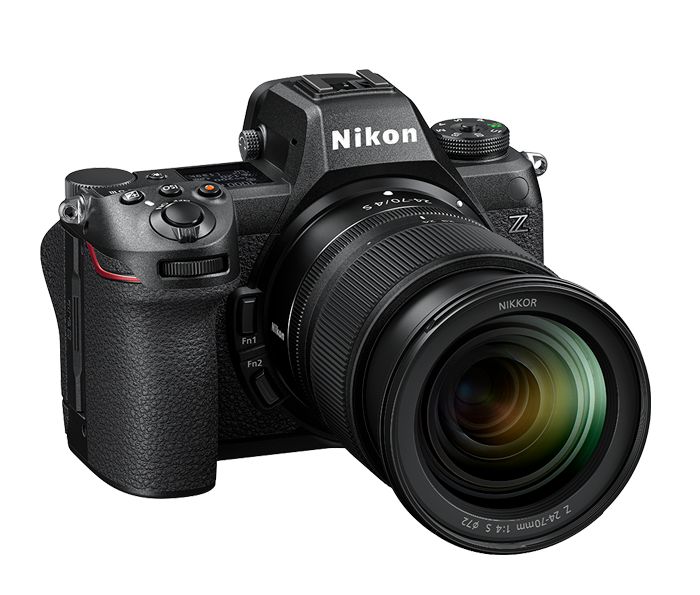
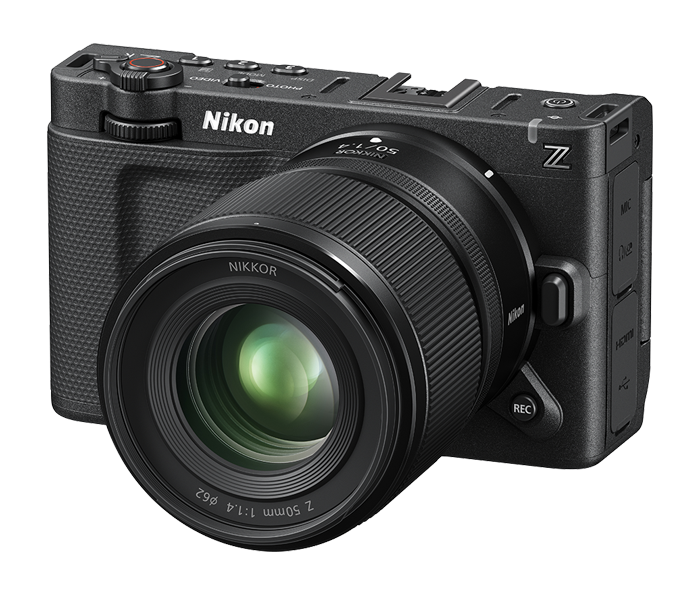
The Nikon Z6III and Nikon ZR are two remarkable full-frame mirrorless cameras from Nikon that frequently come up in discussions among professional photographers and advanced enthusiasts. Both models share a similar design philosophy and technical specifications, including a 25-megapixel sensor and extensive ISO ranges, making them appealing choices for various photography genres. This comparison targets users looking to understand the subtle yet significant differences that can impact their decision, especially in terms of ergonomics, usability, and specific features like autofocus and video capabilities.
Specifications Comparison
Detailed Comparison
Image Quality
Both the Nikon Z6III and ZR feature a full-frame sensor with an effective resolution of 25 megapixels, guaranteeing impressive detail and dynamic range. Additionally, they both possess an ISO range extending from 100 to 64,000, ensuring they perform well in low-light conditions. However, a crucial difference lies in their real-world performance when handling high ISO settings. The Z6III, with its advanced image processing, tends to produce slightly cleaner and more detailed images at high ISOs, making it a better option for night photography or dimly lit environments.
Both cameras offer excellent color accuracy and contrast, which is fundamental for landscape and portrait photographers. The ZR, although capable, may exhibit slightly more noise at the extreme ends of its ISO range compared to the Z6III. Furthermore, both cameras are equipped with in-body image stabilization systems - the Z6III provides up to 8 stops, slightly outperforming the ZR's 7.5 stops, which can enhance image clarity in handheld shooting situations.
Autofocus System
Autofocus performance is crucial for capturing sharp images, particularly in dynamic situations like sports or wildlife photography. Both the Z6III and ZR utilize a sophisticated autofocus system with 273 points, providing ample coverage across the frame. However, the Z6III excels due to its more refined autofocus algorithms, which can track subjects more effectively, especially in challenging conditions such as low light or fast-moving subjects.
Moreover, the Z6III's autofocus system benefits from advanced features like eye-detection autofocus for both humans and animals, enhancing the precision of portrait and wildlife shooters. While the ZR's autofocus is competent, it doesn't match the tracking capabilities of the Z6III, making the latter the preferred choice for photographers reliant on accurate subject tracking.
Video Capabilities
In terms of video performance, both cameras can shoot in 4K resolution, appealing to content creators and videographers alike. However, the Z6III offers some added advantages, such as higher frame rates and improved video codecs that can accommodate more sophisticated editing workflows. It supports 10-bit 4:2:2 HDMI output, providing better color grading flexibility in post-processing, a feature that the ZR lacks.
Additionally, features like in-body stabilization on the Z6III enhance its capability to deliver smooth footage while shooting handheld. While both cameras are formidable for video, the Z6III is better suited for those looking for professional-grade video features, offering greater versatility for hybrid shooters.
Build & Ergonomics
On the ergonomic side, the Z6III weighs in at 760 grams while the ZR is 630 grams, making the latter slightly lighter and more portable, which can be beneficial for photographers who prioritize mobility. However, the Z6III's slightly larger grip can provide better handling when using larger lenses, an essential consideration during long shooting sessions.
Both cameras are weather-sealed, making them suitable for outdoor photography under various conditions. The differences in dimensions, 139 x 102 x 74 mm for the Z6III versus 133 x 81 x 49 mm for the ZR, might influence your decision based on personal comfort preferences, but overall, both feel solid and responsive in hand.
Battery & Storage
The Nikon Z6III boasts a battery life of approximately 380 shots, which is reasonably competitive and ideal for day-long shoots. In contrast, the ZR's battery capacity specifications are not detailed, but given its more recent release, it may benefit from improved efficiency. Both cameras support dual card slots, allowing photographers to simultaneously record high-quality images or videos across two cards, which is a vital feature for professionals who require backup and overflow options during critical shoots.
Value for Money
With a price tag of $2500, the Nikon Z6III sits higher than the ZR, priced at $2200. While the ZR is more affordable, the additional features and performance enhancements offered by the Z6III may justify the extra cost for many users. If low-light performance, superior autofocus, and video capabilities are priorities, then the investment in the Z6III could pay off in the long run. Conversely, for casual photographers or those who primarily shoot in managed lighting conditions and don't need extensive video features, the ZR offers an exceptional value at a lower price point.
Our Verdict
Considering the overall performance, the Nikon Z6III emerges as the winner of this comparison due to its superior low-light capabilities, advanced autofocus system, and enhanced video features. For professionals or serious enthusiasts who demand exceptional quality in diverse shooting conditions, the Z6III offers the tools needed to achieve that. Conversely, the Nikon ZR can serve as a more budget-friendly option for those who may not require the latest and greatest features. Both models have their respective strengths, and the choice ultimately hinges on individual needs and budget considerations.
Nikon Z6III
Nikon ZR
Also Compare
Frequently Asked Questions
What type of photographer would benefit from the Nikon Z6III?
The Nikon Z6III is ideal for professional photographers or serious enthusiasts who often shoot in low-light situations, require fast and reliable autofocus, and want advanced video capabilities.
Is the Nikon ZR suitable for casual photography?
Yes, the Nikon ZR presents a strong option for casual photographers or those who mainly shoot in good lighting and are looking for a solid, easy-to-use full-frame camera without breaking the bank.
How important is the viewfinder for these cameras?
The absence of a viewfinder in the ZR may be a downside for some users who prefer optical or electronic viewfinders for composing shots, whereas the Z6III has an electronic viewfinder that enhances the shooting experience.
Can both cameras shoot in 4K video?
Yes, both the Nikon Z6III and ZR are capable of shooting in 4K video, making them suitable for videographers, but the Z6III has more advanced video features that provide greater flexibility.
Which camera is better in low light?
The Nikon Z6III is better in low-light conditions due to its advanced processing and stabilization capabilities, offering cleaner images at higher ISO levels compared to the ZR.