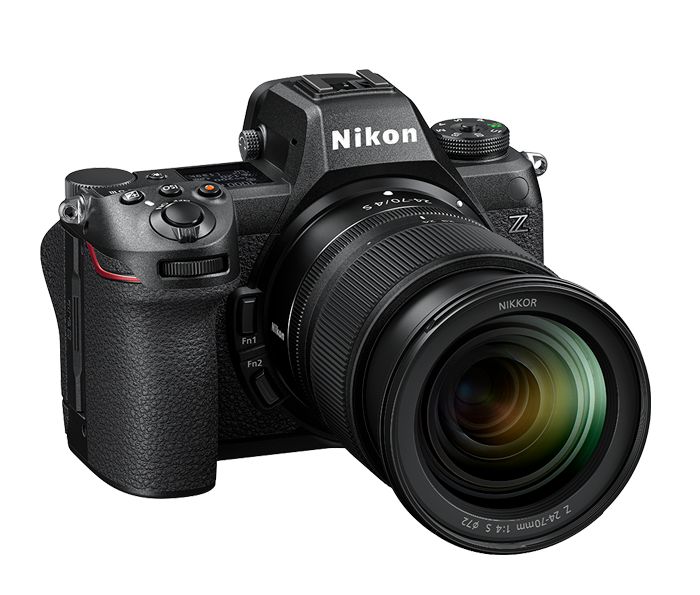
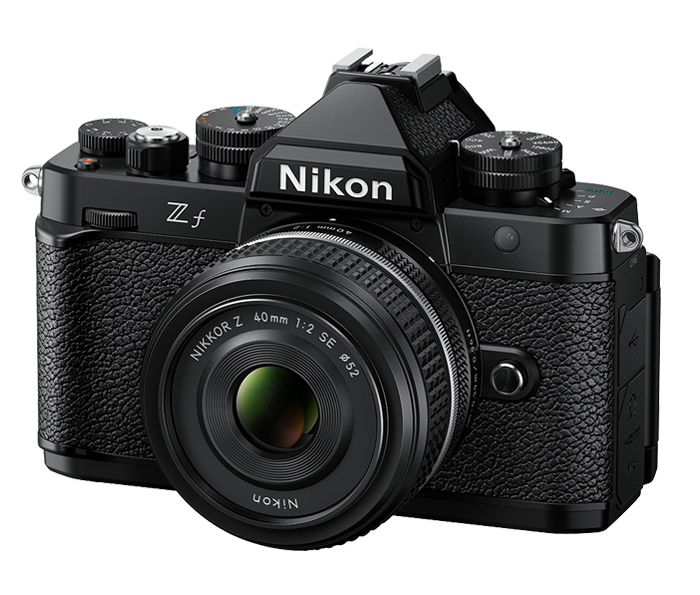
The Nikon Z6III and Nikon Zf are standout full-frame mirrorless cameras within Nikon's lineup, frequently compared by enthusiasts and professionals alike. Both models cater to a similar user base, looking for exceptional image quality, robust performance, and advanced features in a compact design. Choosing between these two may hinge on specific needs like video capabilities, build quality, or overall ergonomics, differentiating which camera better suits an individual's style of shooting.
Key differentiators include the Z6III's higher maximum frames per second for burst shooting, while the Zf appeals to videographers with its 4K video capabilities. Moreover, their design elements, weight, and overall feel contribute to the decision-making process for buyers who prioritize comfort and handling alongside technical specifications.
Specifications Comparison
Detailed Comparison
Image Quality
Both the Nikon Z6III and Zf feature a full-frame sensor with a resolution of 25 megapixels. This sensor size is known for producing high-quality images with outstanding clarity, depth, and detail. Given they share the same sensor design, users can expect comparable results in terms of image quality, including dynamic range and low-light performance, thanks to the same ISO range of 100-64000.
In practical terms, both cameras excel in delivering low noise levels at various ISO settings, providing photographers with flexibility in various shooting conditions. However, the Z6III's enhanced processing speed could slightly edge it in terms of real-time image processing, particularly for burst shooting which involves multiple images quickly under challenging lighting conditions.
Ultimately, the differences in image quality when shooting in raw or JPEG formats between the two models will be minimal, making this category somewhat of a tie. Both cameras are suited for a variety of photography genres, including landscapes, portraits, and night shooting, without significant compromise in quality.
Given these qualities, this section can be regarded as a tie as both models perform exceptionally well under similar circumstances.
Autofocus System
The autofocus system in the Nikon Z6III and Zf offers 273 autofocus points, enabling swift and precise focusing across the frame. This allows both cameras to perform well in various lighting conditions and moving subjects. However, the Z6III triumphs with its higher maximum frames per second rate of 20 FPS compared to Zf's 14 FPS.
The Z6III's faster frames per second, coupled with its robust autofocus tracking, make it excellent for sports and wildlife photography. It can lock focus quickly and maintain it even in rapid sequences. On the other hand, the Zf is still very capable for most applications, but its lower burst rate could deter those who frequently shoot fast-moving scenes.
Both cameras allow for face and eye detection, which enhances portrait photography, but the Z6III's performance in high-speed conditions gives it a noticeable edge. This makes the Z6III the preferred choice for professionals needing quick and reliable autofocus across various scenarios.
For this aspect, the winner is the Nikon Z6III due to its superior burst shooting capabilities and faster autofocus performance in demanding conditions.
Video Capabilities
In the realm of video capabilities, the Nikon Zf sets itself apart with support for 4K at 60p, offering flexibility and high-quality footage options for videographers. This makes it particularly appealing for those looking to produce high-frame-rate video content, especially in rapidly moving subjects or when capturing action scenes.
On the other hand, while the Z6III is a capable video performer, it doesn't explicitly mention the same frame rate support as the Zf, which may indicate a limitation for high-intensity video applications. Both cameras allow for 4K recording, but the Zf's 4K 60p functionality represents a distinct advantage in video capture.
The Z6III includes advanced features like N-Log and HLG for HDR video, which enhances its video versatility. However, without matching the Zf's 4K60p capabilities, the Z6III may fall short for dedicated videographers who prioritize high-performance video options.
Given these distinctions, the Nikon Zf wins this segment, particularly for users focused primarily on video production and greater frame rate options.
Build & Ergonomics
When evaluating build and ergonomics, the Nikon Z6III and Zf are relatively similar but feature distinct design characteristics. The Z6III, weighing 760 grams, offers a robust yet slightly heavier feel, which can be reassuring for regular handling and extensive shooting sessions. In contrast, the Zf, lighter at 710 grams, may afford greater mobility, especially during long days out in the field.
The dimensions of both models also reflect their ergonomic designs; however, the Z6III is slightly bulkier, which some users might prefer for a more substantial grip when paired with heavier lenses. The Zf, while slimmer, maintains sufficient grip without sacrificing comfort.
Both cameras feature weather sealing, ensuring protection against moisture and dust, which is crucial for outdoor shooting. They also offer electronic viewfinders and high-resolution displays, with the Zf having a slightly larger 3.2" monitor compared to the Z6III's 3.1". This marginal increase can enhance visibility during shooting, making it a more appealing choice for those who prioritize screen space.
With these aspects considered, the winner here is the Nikon Zf, primarily due to its lighter weight and slightly enhanced screen size which can contribute to a better overall shooting experience.
Battery & Storage
Both the Nikon Z6III and Zf offer similar battery life, rated at approximately 380 shots per charge. This implies that both cameras provide adequate power management for day-long photography sessions, though real-world performance may differ slightly based on individual usage scenarios and settings.
In terms of storage, both models support the Nikon Z mount and benefit from CFexpress Type B memory cards, allowing for quicker writing speeds essential for high-resolution image capture and video recording, especially in burst modes. This feature enables users more flexibility in choosing storage solutions optimized for their shooting styles.
The similarity in battery life means that users will need to carry spare batteries for extended shooting periods-an aspect both models will handle equally well. Additionally, the shared storage format allows for an easy upgrade or continuity for existing Nikon users transitioning between models.
Consequently, this section represents a tie since neither camera has a definitive advantage over the other in terms of battery performance and storage capabilities.
Value for Money
At a price point of $2500, the Nikon Z6III positions itself as a higher-end option compared to the Nikon Zf, priced at $1999. The Z6III's advanced performance in areas such as burst shooting and autofocus capabilities may justify its higher cost for professional photographers who require top-notch performance.
Conversely, the Zf's lower price combined with its notable video capabilities and lighter build makes it a compelling choice for enthusiasts and new videographers seeking a multifunctional camera. The 4K video at 60p significantly enhances its value proposition for users focused on video production without overspending.
When considering overall utility versus price, the Z6III may offer better return on investment for those whose primary focus is still photography or rapid photography needs. However, the Zf delivers excellent value for those who see video capabilities as essential, making it a great investment for multimedia creators.
Considering these factors, the winner in terms of value for money is the Nikon Zf due to its versatility and appeal to a broader audience, particularly those who require excellent video functionality.
Our Verdict
In this comparison, the Nikon Zf emerges as the overall winner, appealing to a diverse range of users-from vloggers and content creators to those looking for a lighter, versatile photography option. Its superior video capabilities, ergonomics, and affordability offer significant value for many photographers and videographers. However, the Nikon Z6III is not to be dismissed-its speed in autofocusing, high burst rates, and exceptional still image quality make it an excellent choice for professionals focused on still photography or action shots. Ultimately, the decision depends on specific requirements, where each camera excels within its niche. Users should consider their primary shooting style, whether that be stills or video, to make the most informed decision.
Nikon Z6III
Nikon Zf
Also Compare
Frequently Asked Questions
Which camera performs better in low light?
Both cameras share the same ISO range and sensor, making them equally capable in low-light conditions. Therefore, your choice may boil down to other features rather than low-light performance.
Is one camera better suited for video recording?
Yes, the Nikon Zf supports 4K recording at 60p, making it a better choice for those focused on video. The Z6III, while also competent, lacks this frame-rate capability.
What are the main differences in battery life?
Both models have a battery life rating of 380 shots per charge, offering similar performance in this aspect.
How do these cameras compare in terms of size and weight?
The Nikon Zf is slightly smaller and lighter at 710 grams, making it more portable, whereas the Z6III weighs 760 grams but might feel sturdier in hand.
Are there any significant differences in autofocus capabilities?
The Z6III offers a higher burst shooting rate (20 FPS) compared to the Zf's 14 FPS, making it more suitable for capturing fast action photography.