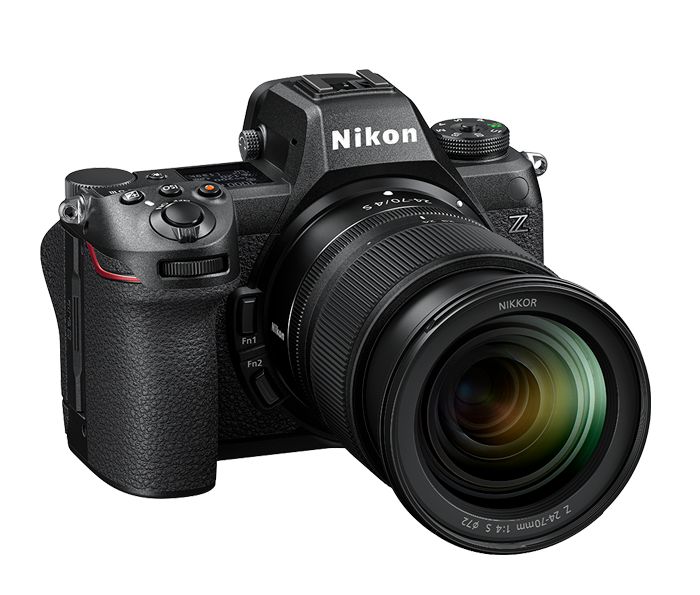
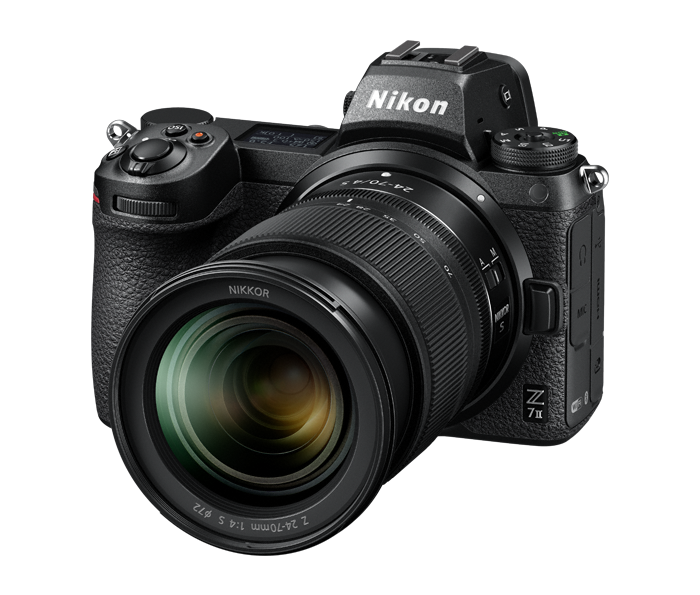
The Nikon Z6III and Nikon Z7 II are two compelling offerings from Nikon's mirrorless camera lineup, often compared by photographers looking to balance high performance against their budget. The Z6III appeals to those who prioritize speed, versatility, and overall performance, while the Z7 II attracts users who desire higher resolution and superior autofocus capabilities. As both cameras utilize the same Z mount and share a similar full-frame sensor size, the decision often comes down to specific use cases and preferences in specs. Key differentiators include sensor resolution, autofocus features, and overall speed, which play crucial roles in determining which camera may be better suited for a photographer's needs.
Specifications Comparison
Detailed Comparison
Image Quality
Image quality is primarily dictated by the sensor resolution and performance at various ISO levels. The Z7 II holds an impressive 46 megapixels, making it ideal for high-detail captures and large prints. Its native ISO range extends from 64 to 25,600, which expands to 102,400, allowing for better performance in low-light conditions. In contrast, the Z6III offers 25 megapixels, which while lower, is still quite adequate for most photography applications. Its ISO range spans from 100 to 64,000, making it a strong contender in low-light scenarios as well.
The Z6III's lower megapixel count allows for larger pixel sizes, which can lead to improved dynamic range and better low-light performance than its higher-resolution counterpart in certain situations. However, the Z7 II's sensor excels when detail is paramount, such as in landscape photography or studio settings. For photographers keen on pixel peeping or needing to crop extensively, the Z7 II's higher resolution is advantageous, while others may prefer the Z6III for general use where efficiency and speed are prioritized.
Autofocus System
Autofocus performance is critical for capturing sharp images, particularly in fast-paced environments. The Z7 II boasts 493 autofocus points, providing extensive coverage across the frame and excelling in tracking moving subjects. In contrast, the Z6III utilizes a 273-point autofocus system. This difference could impact action photography or events where quick focus acquisition is crucial.
However, the Z6III's ability to shoot at a staggering 20 frames per second with autofocus makes it compelling for sports and wildlife photography. The Z7 II, while not as fast with its 10 frames per second, ensures greater accuracy with its advanced autofocus capabilities. Users focusing on wildlife or fast-moving subjects might favor the Z6III for its speed, but for studio or portrait photography where precision is key, the Z7 II stands out.
Video Capabilities
Both cameras support impressive video features, but they cater to different needs. The Z6III supports a maximum frame rate of 20 fps for stills but does not outpace the Z7 II for video. The Z7 II offers 4K video capabilities at 60p, making it suitable for professional videography that requires high frame rates and resolutions. The Z6III does have strong video options, but for users heavily focused on video production, the Z7 II's advanced capabilities have a definitive edge.
However, for videographers who prioritize high-speed shooting, the Z6III may be more appealing for its burst shooting capabilities in 1080p. Overall, if video resolution and frame rate are top priorities, the Z7 II is the clear winner in this respect.
Build & Ergonomics
Both cameras share a robust weather-sealed design suitable for professional use, ensuring durability in various shooting conditions. The Z6III weighs slightly more at 760g compared to the Z7 II's 705g, but the difference is minimal and unlikely to impact user experience significantly. Both feature comfortable grips and user-friendly layouts, which make them ideal for extended shooting sessions.
In terms of dimensions, the Z7 II is marginally smaller, which might be more appealing to photographers looking for a lighter and more compact design. Both cameras provide excellent ergonomics, making them suitable for a variety of shooting styles. While neither has a decisive advantage, the Z7 II's slightly more portable nature gives it an edge for photographers on the go.
Battery & Storage
Battery life is an essential consideration for shooters working in the field, and here the Z7 II offers a slight advantage. The Z7 II provides around 420 shots on a single charge, while the Z6III offers 380 shots. For extended shooting days, this could make the Z7 II a more practical option.
Both cameras utilize similar storage options with dual card slots, allowing for flexible storage management, particularly beneficial for professional use. In terms of performance and ease of use, both models excel, but given the slightly longer battery life of the Z7 II, it can be more favorable for those who do not wish to change batteries frequently in critical moments.
Value for Money
Pricing is a crucial aspect when deciding between two high-end cameras. The Z6III is priced at $2,500, while the Z7 II is $2,999, making the Z6III a more attractive option for budget-conscious buyers. The price difference reflects the superb capabilities of the Z7 II, especially in terms of megapixel count and autofocus quality.
For casual photographers, the Z6III offers more than enough performance for general photography and some video work, providing great value for the specs it brings. However, professionals or those focused on specific high-resolution needs might justify the higher investment in the Z7 II. Ultimately, the Z6III represents a better value option for most, while the Z7 II caters to specialized demands with its advanced features.
Our Verdict
While the Z6III offers significant value with its speed and efficiency, the overall performance of the Z7 II in terms of image quality and autofocus capabilities makes it a consistent winner in professional settings. The Z7 II stands out for high-resolution work and videography, perfect for serious photography applications. On the other hand, for general-purpose use where speed and budget are more critical, the Z6III can be the ideal choice, offering excellent performance at a more accessible price point.
Nikon Z6III
Nikon Z7 II
Also Compare
Frequently Asked Questions
Which camera is better for landscape photography?
The Nikon Z7 II is better due to its 46-megapixel sensor, which captures more detail and allows for larger prints.
Is the Z6III better for sports photography?
Yes, the Z6III's 20 fps shooting speed along with its autofocus performance makes it more suitable for capturing fast-action scenes.
How do the video features compare?
The Z7 II offers 4K 60p video capabilities, while the Z6III does not exceed its regular video performance, making the Z7 II a better choice for serious videographers.
Which camera is more portable?
The Z7 II is slightly smaller and lighter, making it a better option for travel and portability.
What is the best option for beginners?
The Nikon Z6III is generally seen as a better value for beginners due to its lower price and excellent performance for a variety of shooting needs.