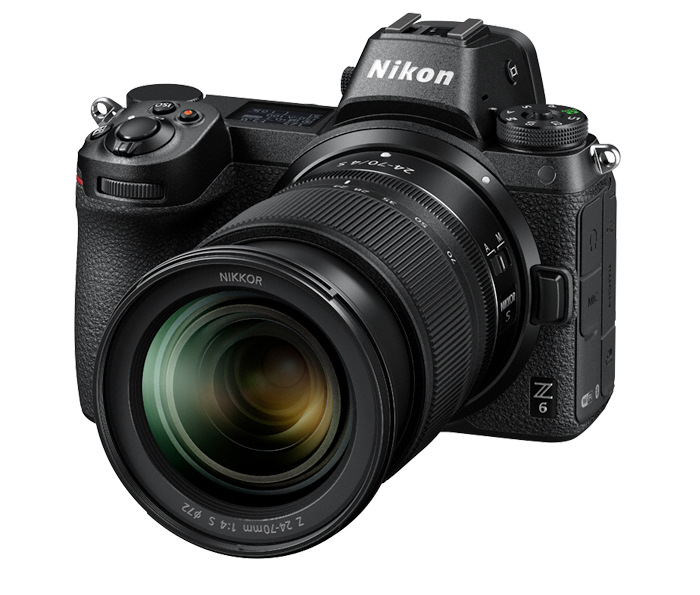

The Nikon Z6 and the Sony A9 II are two highly regarded mirrorless cameras that are often compared due to their impressive performance, versatile features, and strong brand followings. Photographers and videographers alike may find themselves choosing between these models, with considerations such as shooting style, professional needs, and budget influencing their decision. While both cameras offer excellent image quality, cutting-edge autofocus systems, and robust video capabilities, the differences in specifications and design are significant enough to sway potential buyers one way or the other.
The Nikon Z6 is a fantastic choice for those who prioritize a balanced mix of photography and videography, featuring a higher resolution screen and slightly larger form factor. Meanwhile, the Sony A9 II shines in fields such as sports and wildlife photography with its blistering burst rate and enhanced autofocus system. In this detailed comparison, we will explore various aspects of both cameras to help you make an informed decision based on your specific needs and budget.
Specifications Comparison
Detailed Comparison
Image Quality
Both the Nikon Z6 and Sony A9 II feature full-frame sensors, with the Z6 boasting a resolution of 25 megapixels compared to A9 II's 24 megapixels. While the difference in resolution is minimal, the Z6's slightly higher pixel count can offer a marginal advantage in detail retention, especially in large prints. Both cameras perform admirably in low-light conditions, with ISO ranges extending from 100-51200 and expandable up to 204800. As a result, they can capture clear images in various lighting scenarios.
In terms of color reproduction and dynamic range, users often report that Nikon cameras yield slightly warmer and richer colors, which might appeal to portrait and landscape photographers. On the other hand, the Sony A9 II is known for excellent dynamic range, allowing for greater detail in shadows and highlights, making it a preferred choice in high-contrast situations. Overall, both cameras have strengths in image quality that can cater to different preferences.
In practice, both cameras produce outstanding images, but the subtle differences in color science and dynamic range may lead photographers to favor one system over another based on their personal workflow. Thus, both options are indeed formidable competitors in this category.
Autofocus System
The autofocus systems in the Nikon Z6 and Sony A9 II highlight major differences that can greatly affect performance, especially in action photography. The A9 II features a staggering 693 autofocus points, offering comprehensive coverage across the frame. This dense arrangement allows for incredibly fast and precise focusing, essential for sports or wildlife photography, where subjects are often in constant motion.
In contrast, the Nikon Z6 has 273 autofocus points, which is adequate for most photography tasks but may not be as responsive as the A9 II in fast-paced situations. Both cameras use phase-detection and contrast-detection methods, but the A9 II's more expansive autofocus system tends to lock focus on moving subjects more effectively. The A9 II also features real-time tracking with eye recognition technology, further enhancing its capability in tracking subjects.
Given the difference in autofocus points and tracking features, the A9 II clearly comes out on top for users who need rapid-fire performance and accuracy in their autofocus systems. Therefore, it is the better choice for high-action scenarios.
Video Capabilities
When it comes to video capabilities, both cameras are similarly equipped with 4K recording at 30 frames per second, but the differences in their features start to emerge upon deeper inspection. The Z6, with its higher resolution LCD screen (3.2 inches and 2.1 million dots), provides a clearer view for monitoring video during shooting, making it a potential favorite for videographers.
The A9 II, while equipped with a slightly smaller 3-inch LCD at 1.44 million dots, is nonetheless a strong contender for video as it provides the ability to shoot high-quality footage with superior autofocus, which is crucial for dynamic scenes. Both cameras also feature in-body stabilization, but the A9 II offers a slight edge with 5.5 stops compared to the Z6's 5 stops, which can result in clearer handheld shots during video capture.
Overall, both cameras perform excellently for video applications, but the slight advantages in stabilization and autofocus during video make the A9 II a slightly more capable option for dedicated videographers.
Build & Ergonomics
Both the Nikon Z6 and Sony A9 II are designed with robust build quality and weather sealing, catering to professional usage in various environments. The Z6 has a slightly larger and heavier body at 675g, making it feel solid in hand, which may appeal to photographers looking for a sturdy camera without significant compromise on weight.
On the other hand, the A9 II is marginally lighter at 678g and has a slightly more compact form factor, measuring smaller in dimensions, which could be an advantage for portability during on-the-go shooting. The grip design differs as well, with the Z6 providing a more pronounced grip, while the A9 II features a design that is more streamlined but still comfortable.
Both cameras boast electronic viewfinders with impressive resolution and refresh rates, although users may have personal preferences depending on their accustomed shooting styles. Overall, when it comes to build quality and ergonomics, both cameras have strengths that cater to different preferences.
Battery & Storage
The Nikon Z6 has a rated battery life of approximately 310 shots, which may be limiting for professionals who require longer shooting sessions without frequent battery changes. This can be an important factor for event photographers, especially in situations where changing batteries isn't convenient.
In contrast, the Sony A9 II excels significantly in this area, boasting a battery life of around 690 shots, allowing for longer uninterrupted shooting periods. This difference can heavily influence decision-making for users who often work in full-day shoots or those who rely on being able to capture moments without worrying about their battery life.
Both cameras support dual card slots for various storage needs; however, the Sony's dual-slot configuration allows for more flexible recording options and overflow capabilities, crucial for professional workflows where losing data is not an option. Given these significant differences, the A9 II wins this category handily.
Value for Money
The Nikon Z6, with a retail price of $1995, presents itself as a compelling option for both enthusiasts and professionals looking for an adaptable full-frame mirrorless camera without breaking the bank. It offers solid performance and features that make it suitable for a wide range of photography needs, making it a well-rounded choice for those on a tighter budget.
In contrast, the Sony A9 II comes at a significantly higher price point of $4500. While it offers advanced features such as a superior autofocus system and longer battery life, the price may be a deterrent for many photographers who might not require the extensive capabilities offered by the A9 II. However, for professionals in fast-paced environments, the A9 II justifies its higher cost through its performance and reliability.
In summary, for those looking for a capable all-around camera, the Z6 offers impressive value, while professionals who need the specialized functions of the A9 II might find the investment warranted given its advanced technologies.
Our Verdict
Choosing between the Nikon Z6 and the Sony A9 II ultimately hinges on specific use cases. While the Z6 is a fantastic choice for general photography and videography enthusiasts with its strong value proposition, solid image quality, and excellent handling, the A9 II is tailored more for professionals needing top-tier features like superior autofocus, longer battery life, and faster burst rates. The A9 II's advantages in autofocus and battery life solidify its place as the overall winner, particularly for fast-paced shooting environments, making it well worth the investment for dedicated users.
Nikon Z6
Sony A9 II
Also Compare
Frequently Asked Questions
Which camera is better for low-light photography?
Both cameras perform well in low light, but the Nikon Z6 has a slight edge due to its higher megapixel count and color science. However, the A9 II's noise performance at high ISO settings is also very impressive.
Is the A9 II worth the extra money?
If you are a professional photographer who values fast autofocus and longer battery life for action photography, the A9 II could be worth the investment. For casual shooters, the Z6 is a great value for its feature set.
Can you use both cameras for video work?
Yes, both the Z6 and A9 II are capable of 4K video recording at 30p and can be used effectively for video projects. The choice depends on your specific needs for features such as stabilization and autofocus.
What about lens compatibility?
Both Nikon and Sony have extensive lens ecosystems. The Z6 supports Nikon Z mount lenses, while the A9 II uses the Sony E mount system. Consider current lens availability based on your shooting needs.
How do handling and ergonomics compare?
The Z6 has a larger grip which many may find more comfortable, while the A9 II, although slightly smaller, is designed to be very ergonomic as well. Both cameras are built excellently and offer weather sealing.