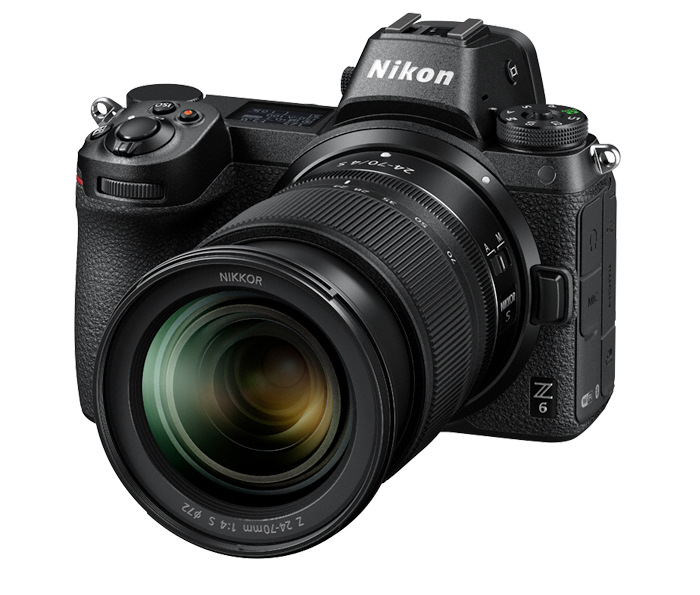
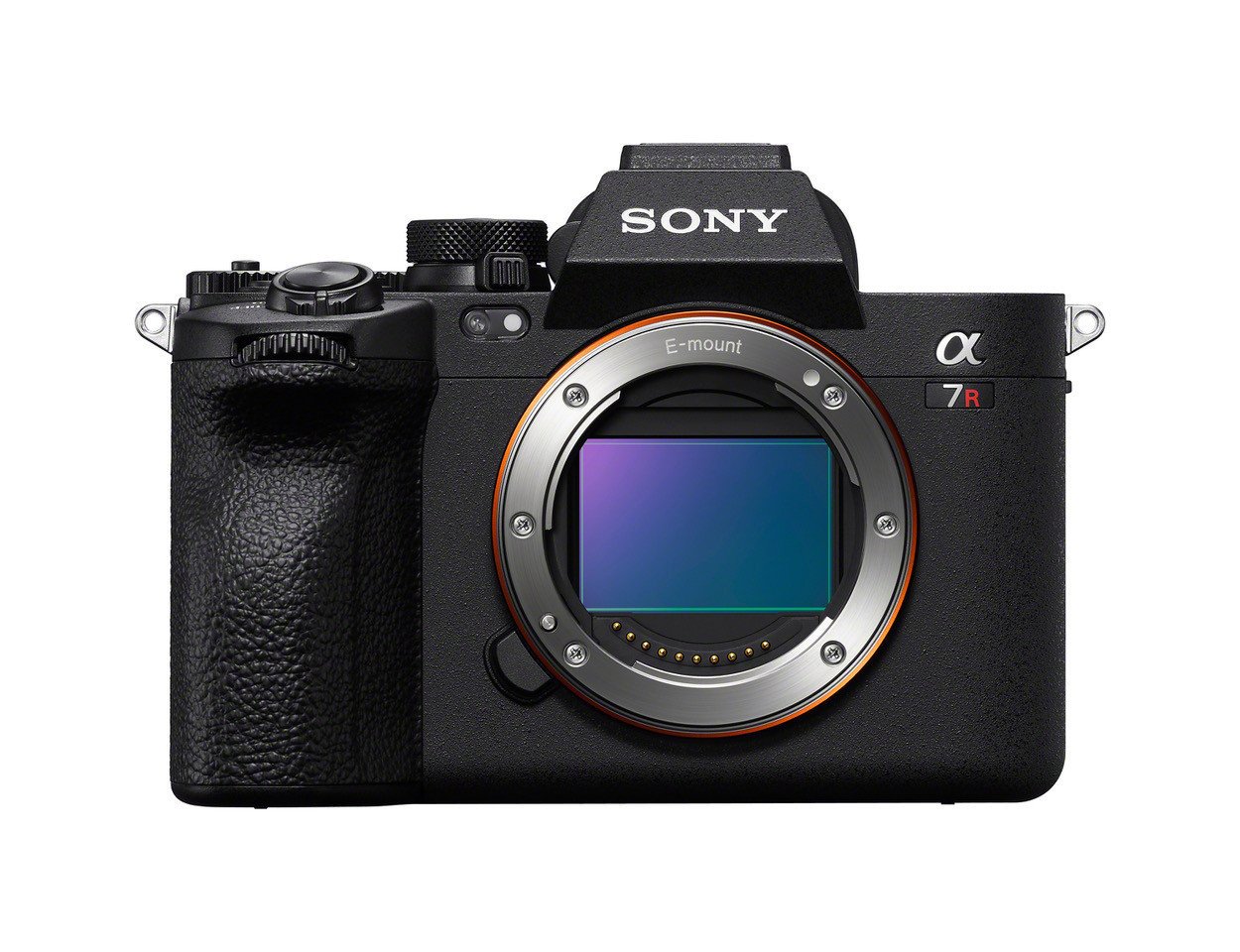
The Nikon Z6 and Sony A7R V are two prominent full-frame mirrorless cameras that photographers often compare due to their impressive capabilities, making them suitable for both amateur and professional users. The Nikon Z6, released in 2018, offers a robust blend of performance and features, while the A7R V, introduced in 2022, pushes the limits with its higher resolution and advanced technology. Buyers in this competitive segment may be torn between the affordability and solid performance of the Z6 and the cutting-edge advancements and superior image quality of the A7R V. The key differentiators revolve around megapixel count, autofocus systems, video performance, and overall value proposition.
Specifications Comparison
Detailed Comparison
Image Quality
The image quality offered by both cameras is impressive, but they cater to different needs. The Sony A7R V boasts a staggering 60 megapixels, which delivers extraordinarily detailed images, making it an exceptional choice for landscape, commercial, and studio photographers who require high-resolution files. In contrast, the Nikon Z6, with a resolution of 25 megapixels, still produces sharp and vibrant images suitable for a variety of applications, including portrait and event photography, but it may fall short for those needing extreme detail in large prints.
When it comes to ISO performance, both cameras perform well across their ISO ranges, with the Nikon Z6 providing an expanded range up to 204800 compared to the Sony's 102400. However, real-world testing shows that despite the higher resolution, the A7R V maintains excellent image quality even in low-light conditions. The advanced sensor technology in both cameras results in minimal noise levels, though the detail retention in higher ISO settings tends to be better in the A7R V due to its more sophisticated processing capabilities.
In terms of color science, each brand has its unique character. Nikon is known for its natural color reproduction, while Sony tends to produce vibrant color profiles that may appeal to certain users. Overall, while both cameras offer outstanding image quality, the A7R V's higher megapixel count and low-light performance give it a distinct edge for professionals requiring ultimate detail.
Autofocus System
Autofocus is a crucial aspect of modern photography, and both the Nikon Z6 and Sony A7R V excel in this department but differ significantly in the number of autofocus points. The A7R V features an impressive 693 autofocus points, which allows for rapid and accurate focusing across a wide area in the frame. This extensive coverage is particularly advantageous for tracking fast-moving subjects in sports or wildlife photography.
In contrast, the Z6 has 273 autofocus points, which, while effective, do not match the sharp coverage of the A7R V. However, the Z6 still provides robust performance with good accuracy and speed, making it suitable for most general photography needs. Both systems utilize phase detection and contrast detection for autofocus, ensuring reliability in various shooting conditions.
While the Nikon Z6 offers a commendable autofocus performance, the A7R V's superior point count, along with Sony's advanced Real-Time Eye autofocus technology, which locks focus onto subjects' eyes with impressive precision, gives it a noticeable advantage for portrait and action photography.
Overall, when it comes to autofocus, the A7R V's advanced capabilities and greater autofocus coverage make it the clear winner, especially for dynamic shooting situations.
Video Capabilities
In the realm of video production, both the Nikon Z6 and Sony A7R V offer impressive features, but they cater to different levels of demand. The Nikon Z6 allows for 4K video recording at 30 frames per second, making it suitable for many casual videographers and content creators. It supports a variety of frame rates and has in-body stabilization which helps to maintain smooth footage, especially useful when shooting handheld.
Contrastingly, the A7R V steps up by providing 4K recording at up to 60 frames per second, which significantly enhances its appeal for videographers looking for higher frame rates and smoother motion in their video projects. Additionally, the A7R V supports various advanced codecs and bit rates that offer greater flexibility in post-production, catering to professional filmmakers and content creators requiring high-quality video output.
Both cameras excel in low-light video performance, but the A7R V's higher resolution and improved processing mean that it can capture more detail in shadowy areas. Furthermore, the advanced video features like S-Cinetone and 10-bit output in the A7R V provide a compelling reason for videographers to prefer this body over the Z6.
In summary, while both cameras are capable of producing high-quality video, the A7R V is more suited for serious videographers thanks to its higher frame rates and extensive video features.
Build & Ergonomics
Both the Nikon Z6 and Sony A7R V are designed with sturdy builds that cater to professionals, featuring weather sealing to withstand various environmental conditions. The Z6 is slightly heavier at 675 grams compared to the 723 grams of the A7R V, which may affect shooting comfort over extended periods, though the difference is minimal.
In terms of dimensions, the Z6 is slightly bulkier in width and height, while the A7R V's design provides a more compact feel, benefitting portability. Both cameras feature similar 3.2-inch LCD screens with 2,100,000 dots, offering excellent resolution for reviewing images and navigating settings.
The layout of controls is another area of consideration. The Nikon Z6 has a more traditional DSLR-like layout, which many photographers may find comfortable, whereas the A7R V features a more modern design with customizable buttons that appeal to tech-savvy users. The customization options allow users to quickly access frequently-used features, which may enhance user experience during critical shooting moments.
Overall, both cameras provide solid builds and ergonomics, but personal preference in terms of control layout may ultimately influence the decision. The Z6 may appeal more to photographers accustomed to traditional designs, while the A7R V draws users who appreciate a modernized, customizable interface.
Battery & Storage
When discussing battery life, the Sony A7R V offers a remarkable longevity of about 530 shots per charge, which is substantially better than the Nikon Z6's 310 shots. For users who shoot extensively throughout the day or in demanding situations, this difference is significant and could impact usability during long shooting sessions or events.
Both cameras utilize similar storage solutions, supporting dual-card slots, which provides redundancy and increased storage capacity. The A7R V supports faster memory cards, which is beneficial when capturing high-resolution images in rapid succession, such as during burst photography. This feature is especially relevant given the A7R V's higher megapixel count, making storage speeds crucial for timely data processing.
In terms of battery life and storage flexibility, the A7R V again has a notable advantage, enabling users greater flexibility without the need for frequent battery changes or card swaps, ultimately leading to a more efficient workflow.
Overall, the A7R V's superior battery performance and optimized storage capabilities cater to professional users needing endurance and efficiency.
Value for Money
The Nikon Z6 holds a significant price advantage, retailing at around $1995 compared to the Sony A7R V's price of $3900. For those looking for a well-rounded camera that delivers excellent performance without breaking the bank, the Z6 represents a compelling option, particularly for enthusiasts and semi-professionals who do not require the highest resolution or complex video features.
However, prospective buyers of the A7R V are likely looking for cutting-edge technology and image quality that justifies the premium price tag. For professionals who can fully leverage the higher 60 megapixels and enhanced video capabilities, the investment in the A7R V could yield returns in terms of image quality and creative flexibility.
While the Nikon Z6 provides tremendous value for its lower price, offering solid performance for a wide range of photography needs, the A7R V justifies its higher cost with significantly advanced features that may be essential for specific professional applications.
In the final analysis, for budget-conscious buyers, the Z6 is the clear value pick; for those needing the highest quality and advanced features, the A7R V may represent a worthwhile investment.
Our Verdict
Overall, the Sony A7R V emerges as the winner in this comparison due to its higher resolution sensor, superior autofocus system, and enhanced video capabilities. While the Nikon Z6 offers excellent value for those on a budget and proficient performance, the A7R V caters to professionals demanding top-tier quality and functionality. For photographers who prioritize resolution and advanced features, the A7R V is the clear choice, while the Z6 will satisfy those seeking a reliable camera with strong performance at a more accessible price point.
Nikon Z6
Sony A7R V
Also Compare
Frequently Asked Questions
Which camera is better for low-light photography?
Both cameras handle low-light conditions well, but the Sony A7R V tends to perform better due to its advanced sensor technology and excellent high ISO performance.
Is the Nikon Z6 suitable for video production?
Yes, the Nikon Z6 is suitable for video production, offering 4K at 30p and good stabilization, but it lacks the frame rate options and advanced video features found in the A7R V.
Which camera has a better autofocus system?
The Sony A7R V has a superior autofocus system with 693 points compared to the Nikon Z6's 273. The advanced tracking features in the A7R V make it particularly effective for dynamic subjects.
How does battery life compare between the two?
The Sony A7R V has a significantly longer battery life, capable of approximately 530 shots, whereas the Nikon Z6 offers around 310 shots per charge.
Is the Nikon Z6 a good choice for beginners?
Yes, the Nikon Z6 is an excellent choice for beginners due to its user-friendly interface, solid performance, and relatively lower price point compared to the A7R V.