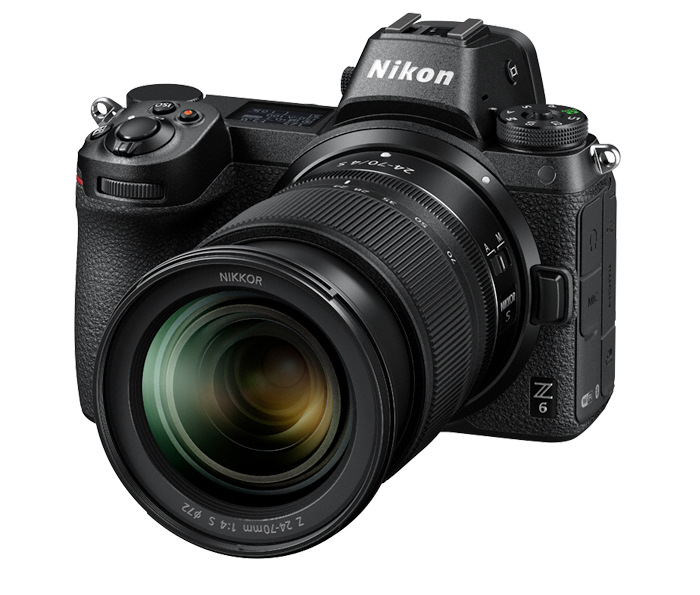
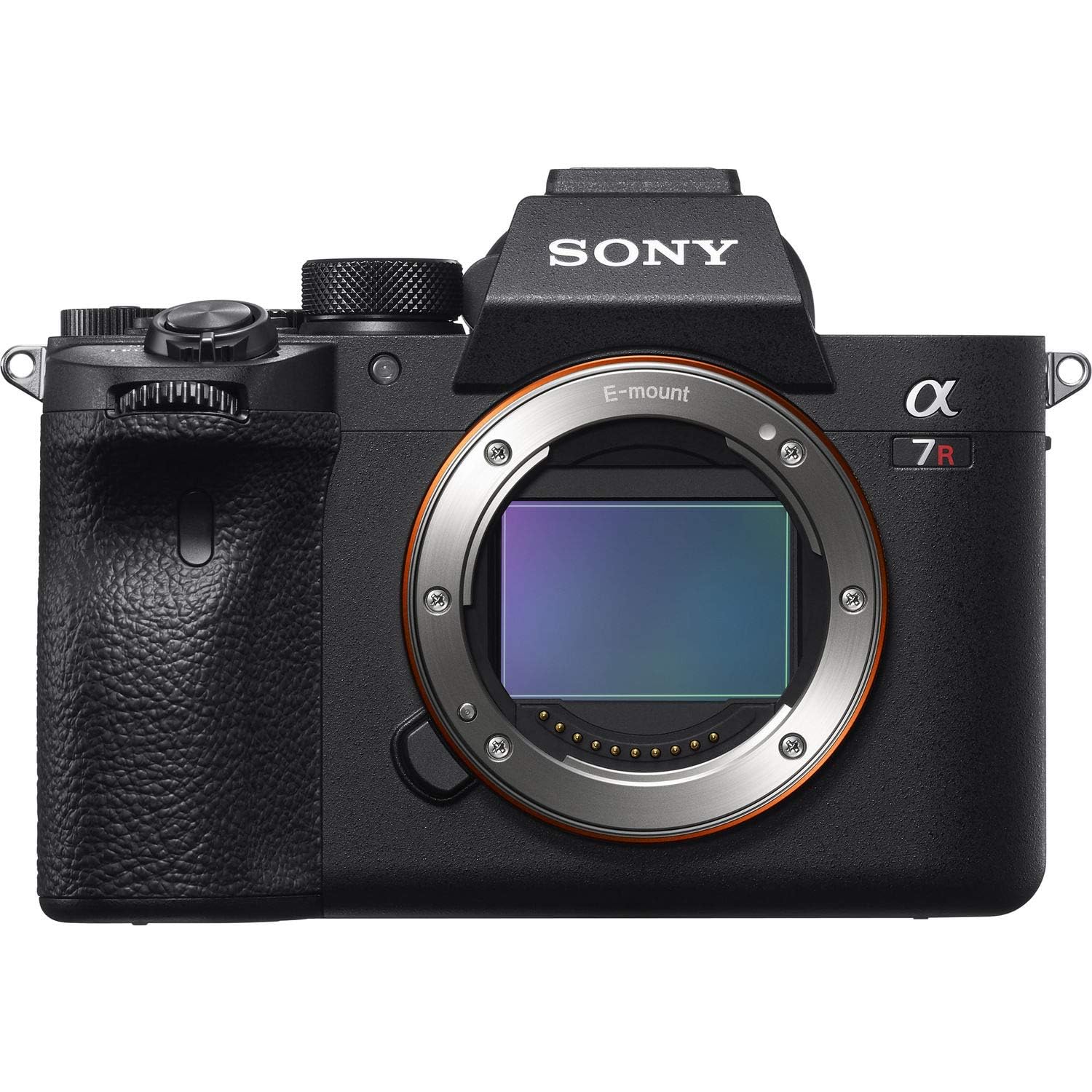
The Nikon Z6 and the Sony A7R IV are both powerful full-frame mirrorless cameras that cater to enthusiasts and professionals alike. Commonly compared due to their prestige and capabilities, these cameras often attract buyers looking for high-quality imaging, robust autofocus, and solid video performance. The key differentiators lie in resolution, autofocus systems, and overall usability in various shooting conditions, making it essential for potential buyers to consider their specific needs when making a choice between these two options.
Specifications Comparison
Detailed Comparison
Image Quality
The Nikon Z6 features a 25-megapixel sensor, providing excellent image quality with a good balance between detail and low-light performance. It excels with its extensive ISO range, allowing users to shoot effectively from ISO 100 to 51200, expandable to 204800. This flexibility can be particularly beneficial for low-light situations. On the other hand, the Sony A7R IV boasts a staggering 61-megapixel sensor, which is exceptionally beneficial for landscape, architectural, and commercial photographers seeking maximum detail and resolution. This camera retains impressive performance even at higher ISO settings, with a range that goes from 100 to 32000, expandable to 102800. While both cameras deliver fantastic image quality, the A7R IV offers greater detail owing to its higher resolution, making it the ideal choice for specific genres of photography.
Autofocus System
The autofocus capabilities of both cameras are impressive but cater to slightly different needs. The Nikon Z6 features 273 autofocus points that provide excellent coverage and reliable performance in various conditions. It is known for its fast and accurate focusing, particularly in low-light environments. Conversely, the Sony A7R IV features an advanced autofocus system with 567 points, enhancing accuracy and object tracking significantly. This camera's Real-Time Eye autofocus is particularly impressive for portrait photographers, making it easier to capture sharp images of moving subjects. When it comes to speed and tracking, the A7R IV holds a notable advantage, especially in fast-paced scenarios and dynamic shooting environments.
Video Capabilities
Both cameras offer 4K video recording capabilities at 30 frames per second, making them suitable for videography. The Nikon Z6 provides impressive video quality with good low-light performance, making it a favorite among hybrid shooters. It also boasts features like N-log for improved dynamic range in post-production. On the other hand, while the A7R IV matches the 4K video specifications, its superior autofocus and resolution advantage can lead to sharper, more detailed footage, especially beneficial for high-end productions. However, both cameras have their strengths, and users could choose based on their specific editing and shooting preferences for video content.
Build & Ergonomics
Both cameras show thoughtful design with solid build quality and weather sealing for durability, which is crucial for outdoor shooting. The Nikon Z6, weighing 675g and featuring a larger body, may feel more comfortable in hand for some users, particularly with its deeply molded grip. It measures 134 x 101 x 68 mm, making it slightly bulkier than the A7R IV. In contrast, the Sony A7R IV is more compact, with a weight of 665g and dimensions of 129 x 96 x 78 mm, making it a bit easier for portability. However, the smaller grip may not be as ergonomically satisfying for all users. Ultimately, comfort is subjective and will depend on individual preferences.
Battery & Storage
Battery life is a crucial consideration for any photographer, especially when shooting for extended periods. The Nikon Z6 offers a battery life of approximately 310 shots per charge, which is decent but lower than that of its competitor. The Sony A7R IV provides an impressive battery life of around 670 shots, making it a better choice for those who prioritize endurance during shooting. Storage capabilities are similar as both cameras support SD UHS-II cards, allowing for quick data transfer and storage management. In this aspect, the A7R IV easily holds the advantage due to its longer battery life, making it more suitable for long shooting sessions.
Value for Money
When considering the price point, the Nikon Z6 comes in at a more approachable $1995, making it an excellent value for those seeking high quality without going into the realm of premium pricing. It offers a balanced feature set that meets the needs of most photographers. The Sony A7R IV, priced at $3500, is targeted more at professionals who require high-resolution images and superior autofocus performance. While it delivers exceptional features and quality, the price difference could be a deciding factor for many buyers. For someone needing top performance without a high investment, the Z6 provides a compelling argument. However, for users who can justify the price for additional capabilities, the A7R IV is worth considering.
Lens Ecosystem
Both Nikon and Sony offer extensive lens ecosystems, which is crucial for photographers needing versatility in their gear. The Nikon Z mount has been expanding since its launch, with a good array of native lenses now available, though it may not be as comprehensive as Sony's offerings. The Sony E mount, utilized by the A7R IV, has a mature line-up of lenses, including many high-quality third-party options. This extensive selection allows for greater flexibility in choosing lenses that suit specific photography needs. Therefore, if lens availability and options are important, the Sony A7R IV has a significant advantage in this regard.
Our Verdict
Overall, while the Nikon Z6 offers impressive value and solid features aimed at hybrid shooters and those who want high-performance without investing at the top-tier price point, the Sony A7R IV ultimately wins this comparison. Its superior image resolution, autofocus capabilities, longer battery life, and extensive lens ecosystem cater more directly to professionals who seek detail and performance. However, for those who prioritize value and more moderate photography needs, the Z6 remains a strong contender.
Nikon Z6
Sony A7R IV
Also Compare
Frequently Asked Questions
Which camera is better for low-light photography?
The Nikon Z6 is generally preferred for low-light due to its strong ISO performance, although the A7R IV also performs well and offers higher resolution.
Do both cameras offer weather sealing?
Yes, both the Nikon Z6 and Sony A7R IV are weather-sealed, making them durable for shooting in harsh conditions.
What are the main advantages of the Sony A7R IV?
The primary advantages include significantly higher resolution, superior autofocus capability, better battery life, and a more extensive lens ecosystem.
Is the Nikon Z6 a good choice for video recording?
Yes, it offers good video capabilities with 4K recording, making it suitable for hybrid shooters who need both high-quality photos and videos.
What type of photography would benefit from the A7R IV's features?
The A7R IV's features are particularly beneficial for landscape, product, and portrait photography where detail and high resolution are essential.