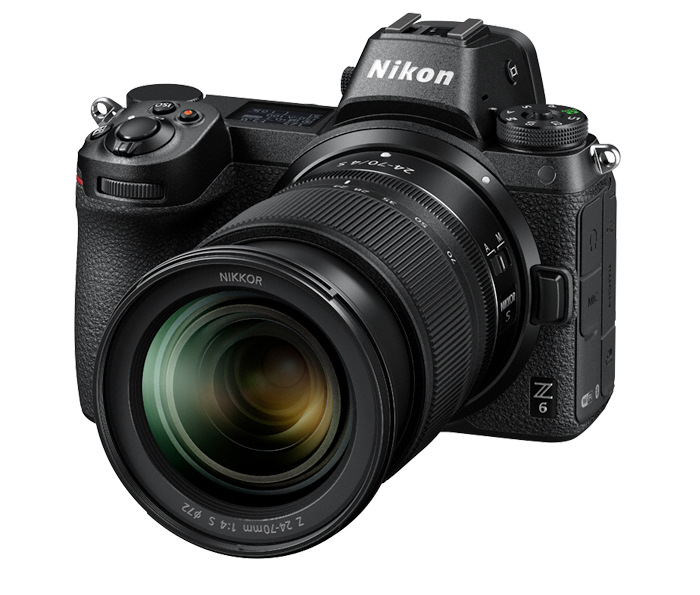
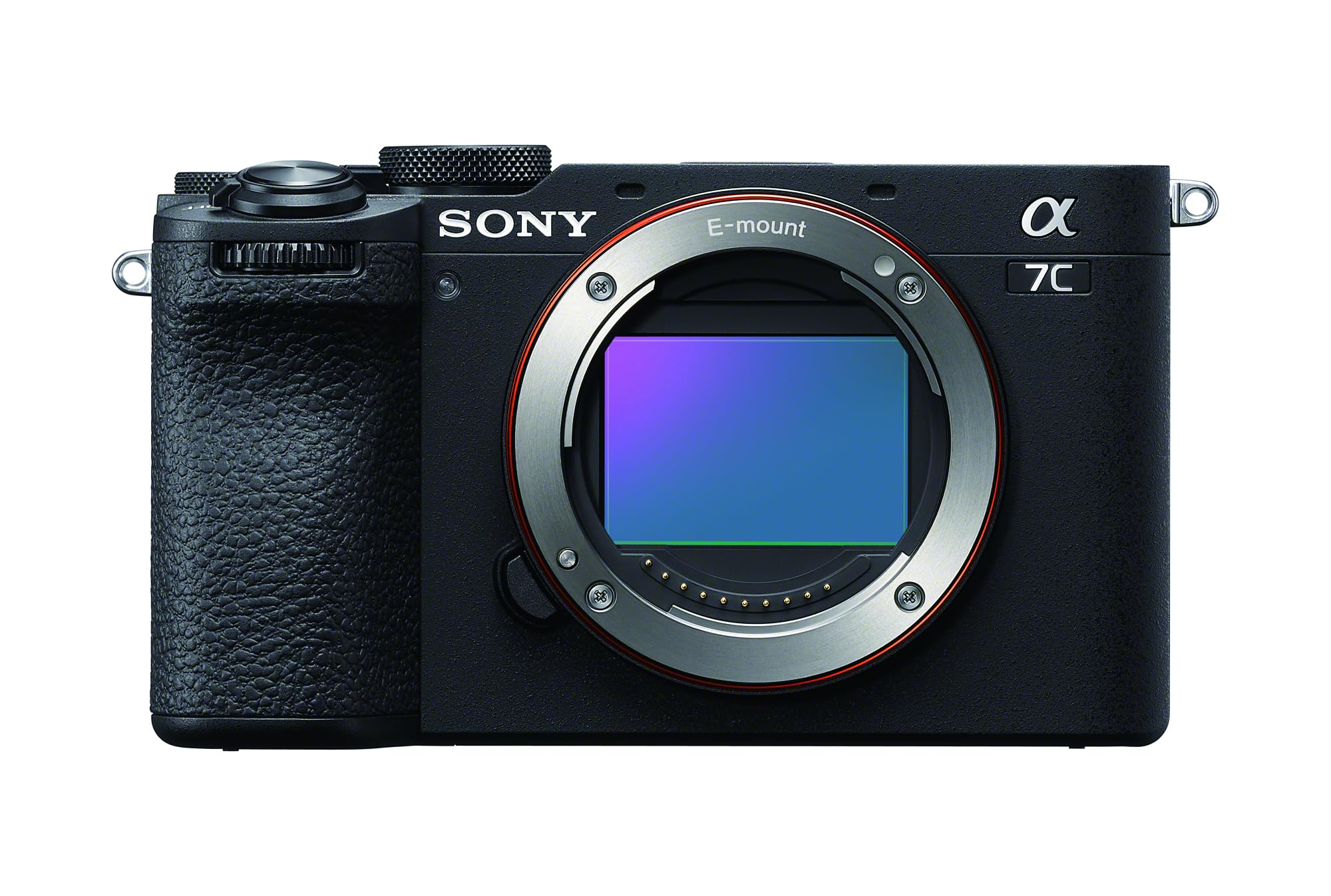
The Nikon Z6 and the Sony A7C II are two highly regarded full-frame mirrorless cameras that often compete for attention among both amateur and professional photographers. Each camera has its own strengths and appeals to different user preferences, making them common contenders in the market. For those looking to invest in a versatile camera for both photography and videography, understanding the nuanced differences between these two models is essential. Significant differentiators include image quality, autofocus capability, video performance, and overall design, which are crucial factors for photographers and videographers alike.
Specifications Comparison
Detailed Comparison
Image Quality
The Nikon Z6 features a 25-megapixel sensor, which delivers excellent image quality with a wide dynamic range and decent low-light performance. It can produce stunning images with a rich color palette and sharp details that are ideal for both landscapes and portraits. On the other hand, the Sony A7C II boasts a higher 33-megapixel sensor, which translates into greater resolution for larger prints and detailed cropping. This increase in megapixels can benefit landscape and commercial photographers who require more detail and flexibility in post-processing. Both cameras have similar ISO ranges, extending to 204800, providing them with robust performance in low-light situations. However, the Sony's additional resolution does give it an edge in scenarios where detail is paramount.
Autofocus System
When it comes to autofocus, the Nikon Z6 utilizes 273 autofocus points, which allows for decent tracking and reliability. However, the system may not be as fast or responsive as some of its competitors. In contrast, the Sony A7C II features a more advanced autofocus system with 759 points, resulting in enhanced accuracy and faster focus acquisition. The A7C II is particularly advantageous for capturing moving subjects, making it ideal for sports and wildlife photography. Both cameras offer face and eye detection, but the robustness of the Sony's system means better performance in challenging conditions. Overall, while both cameras perform well, the A7C II's superior autofocus capability solidifies its position.
Video Capabilities
Video capabilities are an essential aspect for many modern photographers and filmmakers. The Nikon Z6 can shoot in 4K resolution up to 30p, which is excellent for standard video applications. However, the Sony A7C II takes a significant lead by offering 4K video recording up to 60p, thus providing smoother footage and greater flexibility in post-production. Both cameras include in-body stabilization, but the A7C II's 7 stops significantly outperform the Z6's 5 stops, aiding in handheld shooting. Furthermore, the A7C II supports various video profiles such as S-Log3, which is crucial for color grading in professional video production. Therefore, for videographers seeking higher frame rates and superior stabilization, the A7C II is clearly the better option.
Build & Ergonomics
Both cameras are weather-sealed, which is important for outdoor and challenging shooting conditions. The Nikon Z6's dimensions are larger with a weight of 675 g, offering a more robust grip that some photographers may prefer for extended use, especially when pairing with larger lenses. On the other hand, the Sony A7C II is considerably lighter at 514 g, making it more portable and convenient for travel photography. Its compact design is a significant advantage for those looking to minimize gear weight without sacrificing performance. However, the smaller screen on the A7C II may be a downside for those accustomed to larger displays for image review and navigation. Ultimately, the choice here comes down to personal preference regarding size and handling.
Battery & Storage
The Nikon Z6 offers a battery life of approximately 310 shots, whereas the Sony A7C II boasts a much more impressive battery performance of around 540 shots per charge. This difference is significant for photographers who may be out in the field without immediate access to charging options. Furthermore, both cameras use the same type of memory cards, providing similar options for storage flexibility. However, for those concerned about long shooting sessions, whether for events or during travel, the A7C II's extended battery life provides a clear advantage, allowing photographers to focus on capturing moments without frequent battery changes.
Value for Money
Pricing is always a consideration when comparing cameras, and at $1995, the Nikon Z6 is priced attractively for a full-frame camera with solid overall capabilities. Despite its lower price, it delivers excellent image quality and a competent feature set. In contrast, the Sony A7C II, priced at $2200, offers advanced features like higher resolution, better autofocus performance, and superior video capabilities. While the A7C II's additional cost comes justified for serious videographers and those needing high-resolution images, the Z6 could be seen as more appealing for budget-conscious buyers who still want great full-frame performance. Therefore, value is subjective based on the specific needs of the user.
Our Verdict
Overall, the Sony A7C II is the clear winner in this comparison due to its superior autofocus capabilities, enhanced video performance, and extended battery life, making it particularly appealing for both photographers and videographers. While the Nikon Z6 holds its own with excellent image quality and a competitive price point, it may appeal more to photographers who prioritize a traditional feel and handling over high-end video features. For users who need a compact, versatile camera capable of delivering top-notch results in a wide range of conditions, the A7C II is the superior choice.
Nikon Z6
Sony A7C II
Also Compare
Frequently Asked Questions
Which camera is better for low-light photography?
Both cameras perform well in low-light conditions; however, the A7C II's higher resolution may give it a slight edge in detail retention at high ISO settings, thanks to its advanced sensor technology.
Is the Nikon Z6 good for wildlife photography?
Yes, the Z6 is competent for wildlife photography, but it may fall short compared to the A7C II's faster autofocus system, which can track subjects more effectively.
Should I prioritize video capabilities or photo quality?
If your primary focus is videography, the A7C II is the better choice due to its higher frame rates and advanced video features. If still photography is the main concern, both cameras excel, but the Z6 might be more cost-effective.
How does the weight affect portability?
The A7C II is significantly lighter and more compact, making it ideal for travel and long days of shooting when weight is a crucial factor. The Z6 is more substantial but offers a firmer grip and handling.
Are there different lens options for each system?
Both systems have a growing lens ecosystem. Nikon's Z mount has some excellent options, but Sony's E mount offers a wider range of lenses, especially for videography and specialized uses.