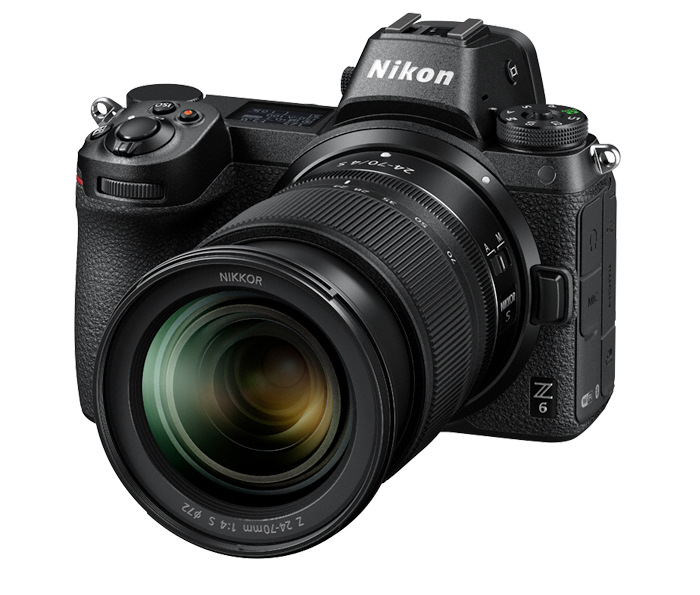
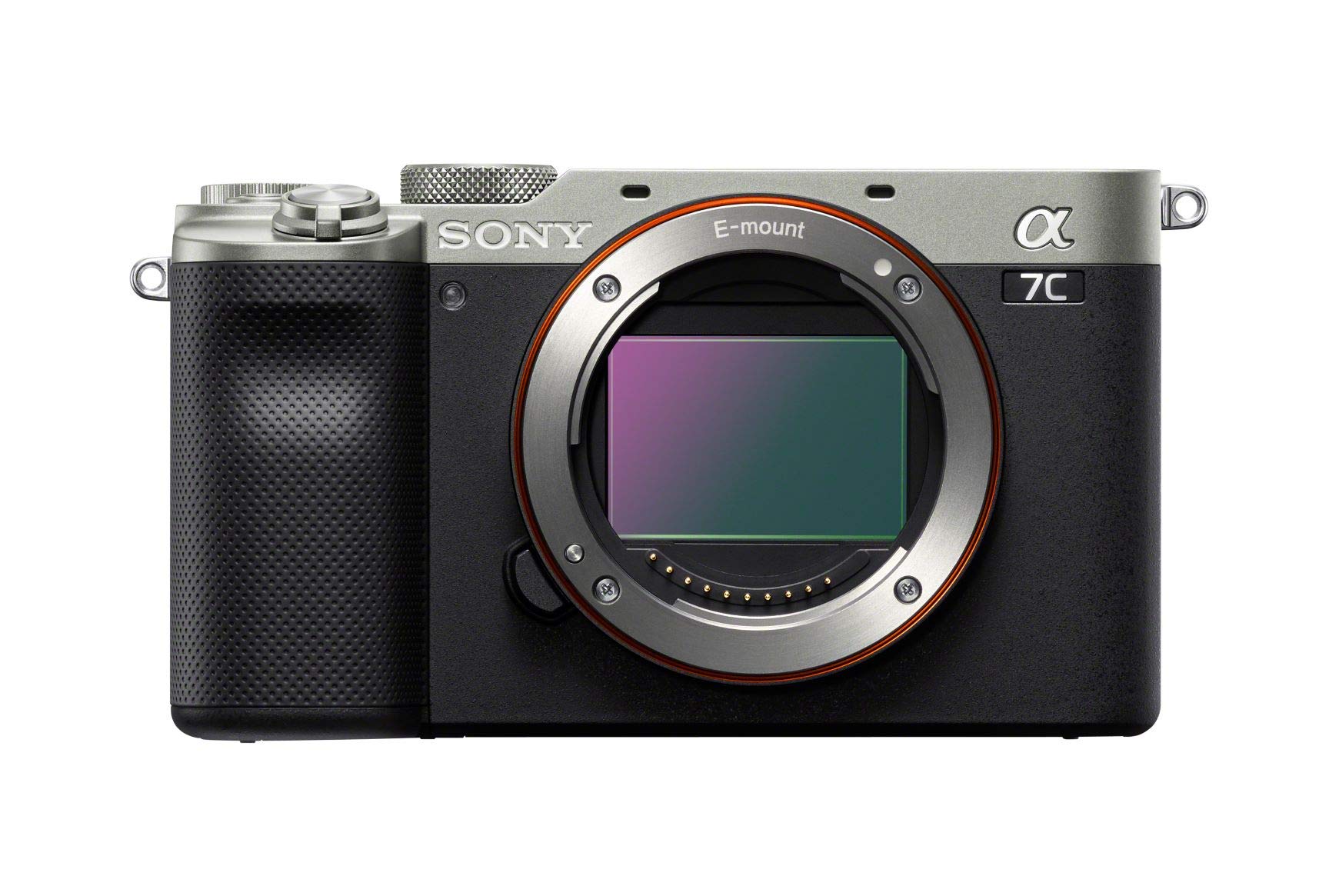
The Nikon Z6 and Sony A7C are two popular full-frame mirrorless cameras that are often compared by potential buyers looking for a balance between performance and portability. Both models appeal to enthusiasts and professionals who want high image quality, advanced autofocus, and robust video capabilities. However, key differentiators such as design, autofocus systems, and battery performance play a crucial role in deciding which model would best suit individual needs. This comparison will explore these aspects in detail to help buyers make an informed choice.
Specifications Comparison
Detailed Comparison
Image Quality
Both the Nikon Z6 and Sony A7C deliver excellent image quality, thanks to their full-frame sensors. The Z6 features a 25-megapixel sensor, which offers slightly more resolution compared to the A7C's 24-megapixel sensor. This difference might be negligible for many, but it can be noticeable when printing large formats or cropping images significantly. Furthermore, both cameras have an identical ISO range that expands to 204800, ensuring low-light performance is comparable. The Z6's slightly larger sensor size may give it an advantage in dynamic range, but in practical terms, both cameras perform admirably under various lighting conditions.
In real-world usage, the differences in image quality may come down to color science and JPEG rendering, where users might have preferences based on personal taste. Overall, while both cameras offer exceptional results, the slightly higher resolution of the Nikon Z6 gives it an edge in this category.
Autofocus System
In terms of autofocus, the Sony A7C boasts a more advanced system with 693 phase-detection points, compared to the Nikon Z6's 273 points. The A7C's autofocus is known for its speed and accuracy, particularly when tracking fast-moving subjects, which makes it a preferred choice for sports and wildlife photography. The Z6, while still effective, may not match the A7C in fast-paced scenarios, particularly in low light.
Another advantage of the A7C is its Real-Time Eye Autofocus technology, which provides exceptional capability in capturing sharp portraits. The Z6 includes face detection, but the implementation isn't quite as refined. While both cameras perform well in everyday shooting, the A7C's autofocus system is superior, especially for dynamic subjects.
Video Capabilities
When it comes to video, both the Nikon Z6 and Sony A7C offer 4K video at 30 frames per second, making them suitable for casual videography and content creation. However, the Z6 stands out with its full pixel readout and no pixel binning when shooting 4K, resulting in higher fidelity video with less moiré in challenging scenes.
The A7C, while capable, opts for a slightly cropped 4K output, which may be a disadvantage when trying to maximize the field of view. Both cameras include effective in-body stabilization, which helps create steady footage during handheld shooting. Nonetheless, for those focusing on high-quality video production, the Z6's video capabilities slightly edge out the A7C's.
Build & Ergonomics
The Nikon Z6 is larger and heavier, weighing in at 675 grams, compared to the Sony A7C's more compact 509 grams, making the latter an appealing choice for travel photographers who prioritize minimized weight. The Z6 measures 134 x 101 x 68 mm, while the A7C is smaller at 124 x 71 x 60 mm.
Both cameras are weather-sealed, ensuring durability in varied shooting conditions. Still, users may appreciate the slightly better grip and handling of the Z6, which can make extended shooting sessions more comfortable. Ultimately, the preference here may come down to personal ergonomics and how the weight affects portability during use.
Battery & Storage
Battery life is an important factor for many photographers, especially those on long shoots. The Sony A7C has a longer battery life, rated at about 740 shots per charge, compared to the Nikon Z6's 310 shots. This significant difference makes the A7C more favorable for prolonged shooting without the need to change batteries frequently.
Both cameras utilize different battery types, with the A7C using the NP-FZ100, known for its efficiency. Meanwhile, the Z6 uses the EN-EL15b battery which, despite performing well, falls short of the A7C in terms of longevity. For users who prioritize battery endurance, the A7C clearly has the advantage.
Value for Money
The Nikon Z6 is priced at $1995, while the Sony A7C is available for $1799, making the A7C a more budget-friendly option. Despite the price difference, both cameras offer impressive features and build quality; however, the Z6 offers slightly higher resolution and superior video capabilities, which may justify its higher price for some users.
Considering the autofocus strengths and extended battery life of the A7C, it presents an excellent value for photographers who prioritize these aspects, especially in a compact form. Those who need a robust video performance or slightly higher image resolution might find the Z6 worth the extra investment.
Lens Ecosystem
Both Nikon and Sony have been investing heavily in their respective lens ecosystems. The Nikon Z mount has a growing collection of compatible lenses, many of which are high-quality options, although it may still lag behind Sony's extensive range of E-mount lenses. The Sony A7C benefits from a more mature lens lineup, providing a wider variety of choices, including lenses for specialized needs.
While Nikon's newer lenses are impressively engineered, users looking for versatility in lens selection might favor the established ecosystem surrounding the A7C. Therefore, for those who are looking to build a diverse kit, the A7C offers more options out of the box.
Our Verdict
While both the Nikon Z6 and Sony A7C have unique strengths, the A7C emerges as the overall winner due to its superior autofocus system, longer battery life, and value for money. It's particularly suitable for photographers focused on portability and range of lens options. Conversely, the Z6 still strikes a strong balance with its higher resolution, exceptional video capabilities, and robust build quality. Buyers whose primary focus is on high-quality video production or who require slightly better control in dynamic shooting situations may still find the Nikon Z6 a better fit for their needs.
Nikon Z6
Sony A7C
Also Compare
Frequently Asked Questions
Which camera is better for beginners?
The Sony A7C might be more suitable for beginners due to its user-friendly interface and compact size, making it easier to handle and carry. Additionally, it has a more extensive array of learning resources given the larger user base.
Does the Nikon Z6 perform better in low light?
While both cameras handle low-light situations well, the Z6's larger pixel count can result in slightly better dynamic range. However, both models can exceed expectations in low-light performance.
Can I use my existing lenses with these cameras?
It depends on the lens mount. If you have Nikon F-mount lenses, you can use them on the Z6 with an adapter. Similarly, if you have Sony E-mount lenses, they will work seamlessly with the A7C. Check for compatibility before purchasing.
How does battery life compare during video recording?
The Sony A7C offers a significantly longer battery life, particularly during video recording, which can be crucial for videographers who shoot longer sessions without swapping batteries.
Is the A7C better for street photography?
The compact size and nimbleness of the A7C make it a favored choice for street photography, allowing for discreet shooting. Coupled with its rapid autofocus, it excels at capturing spontaneous moments.